Stocks Hit a Record as Oil Falls — But Consumers Aren't Buying the Optimism

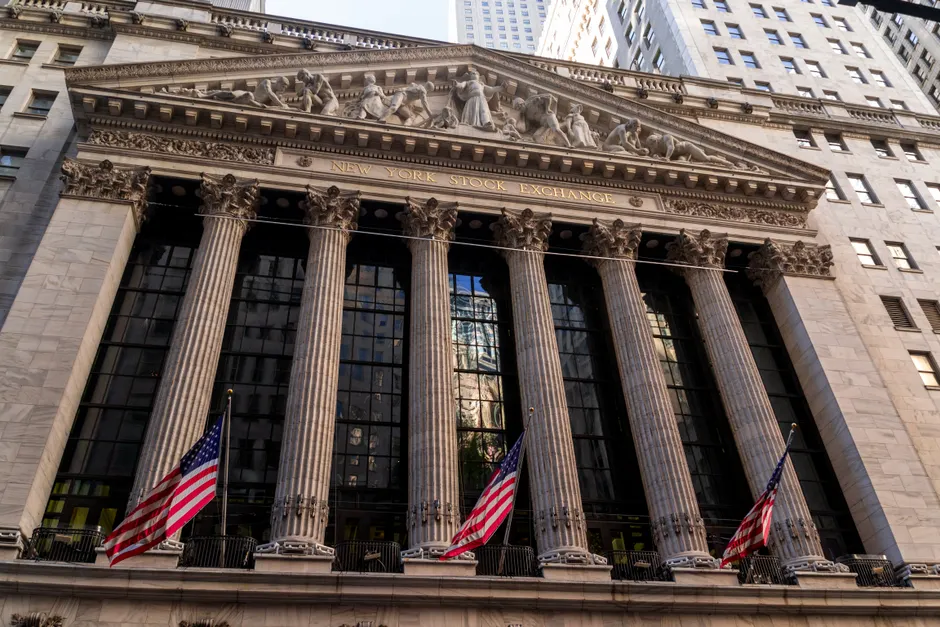
U.S. stocks rose to a record high on August 25, 2026, as falling oil prices took pressure off bond yields and the latest inflation reading showed price growth cooling. Associated Press
Major indexes climbed in early trading alongside a pullback in crude oil. Charles Schwab's market update noted Brent crude at $82.45, down $2.56 on the session, while Treasury yields also retreated. Charles Schwab Fortune's benchmark data captured Brent at $90.21 per barrel as of 8 a.m. Eastern, down from $94.12 the prior day, while Trading Economics recorded a close of $88.49, a 4.00% decline. Fortune, Trading Economics The discrepancy across those figures reflects different snapshot times and benchmark definitions, but the direction is unambiguous: crude fell sharply.
The Columbian reported that falling oil prices helped calm both the stock and bond markets, easing worries that had built through the summer. The Columbian
This is the latest leg in a volatile, oil-driven pattern that has defined market direction throughout 2026. In March, oil tumbled after a 31% run-up tied to Iran war fears gave way to an after-hours retreat, as WSJ's live coverage documented. WSJ By May 19, equities were under pressure again: U.S. stocks retreated as investors debated tech valuations and worried that a prolonged Iran conflict would keep oil prices rising. WSJ That same session, a bond selloff deepened on fears that absent a diplomatic breakthrough on Iran, crude would continue its climb. WSJ
A partial de-escalation arrived in July. WSJ reported on July 9 that U.S. stocks rose as fears of a return to full-blown war in Iran subsided, bringing down oil prices and quelling inflation expectations. WSJ The relief proved fragile. On August 16, the S&P 500 fell 0.52% as oil prices rose and investors weighed renewed Middle East tensions. CNBC
WSJ also reported that a retreat in oil prices eased pressure on bond yields, which had jumped sharply as surging energy prices revived inflation fears. WSJ The dynamic has held with rare consistency across the eight-month span: crude up, yields up, equities down; crude down, yields down, equities up. Each Iran-driven spike in oil has translated rapidly into higher yields as markets price the inflation pass-through, and each de-escalation has reversed the trade.
Against the market rally, the consumer backdrop deteriorated. The Conference Board's consumer confidence index dipped to 89.4 in August from 90.2 in July, its lowest reading in seven months. The Guardian Consumers' average and median 12-month inflation expectations were slightly more elevated in August than July, and 61.3% of consumers still anticipated higher interest rates. Conference Board
The broader context here is a divergence worth examining. Households are telling the Conference Board they expect higher inflation and higher rates. Equity markets are pricing the opposite: oil falling, yields retreating, inflation moderating. One of these views is wrong, and the gap between them is the primary risk to the current rally.
For market participants, the key question is whether August 25's oil decline reflects a durable geopolitical de-escalation or another temporary lull in an episodic conflict. The pattern through 2026 has been clear: each retreat in Iran tensions has been followed within weeks by a re-escalation that reverses the oil-driven move. The May-to-July sequence — bond selloff, then war-fear subsidence, then August 16's renewed drop — fits that template precisely.
The consumer confidence data adds a second dimension. Even if oil continues to fall and yields ease, depressed consumer expectations can become self-fulfilling if spending contracts. A confidence reading at 89.4 with rising inflation expectations is not the backdrop from which sustained consumer-driven earnings growth typically emerges. The equity market's all-time high is pricing an outcome that the consumer survey does not corroborate.