CD Projekt Red Announces Witcher 3 Remaster with Free Upgrade, New DLC, and a 2028 Sequel Target
CD Projekt Red used the Gamescom Opening Night Live showcase to announce a remastered edition of The Witcher 3: Wild Hunt, set for release on September 29. The remaster will be offered as a free upgrade to existing owners of the game (Engadget).
The remaster goes well beyond a visual refresh. CD Projekt Red has reworked core gameplay systems, including a revised skill tree and revamped combat mechanics. The changes cover camera adjustments, targeting tweaks, and new finisher animations. Movement and traversal have been smoothed, and mount handling — how the player's horse, Roach, responds to input — has been reworked. Both of the game's original DLC expansions, Hearts of Stone and Blood and Wine, ship with the remaster.
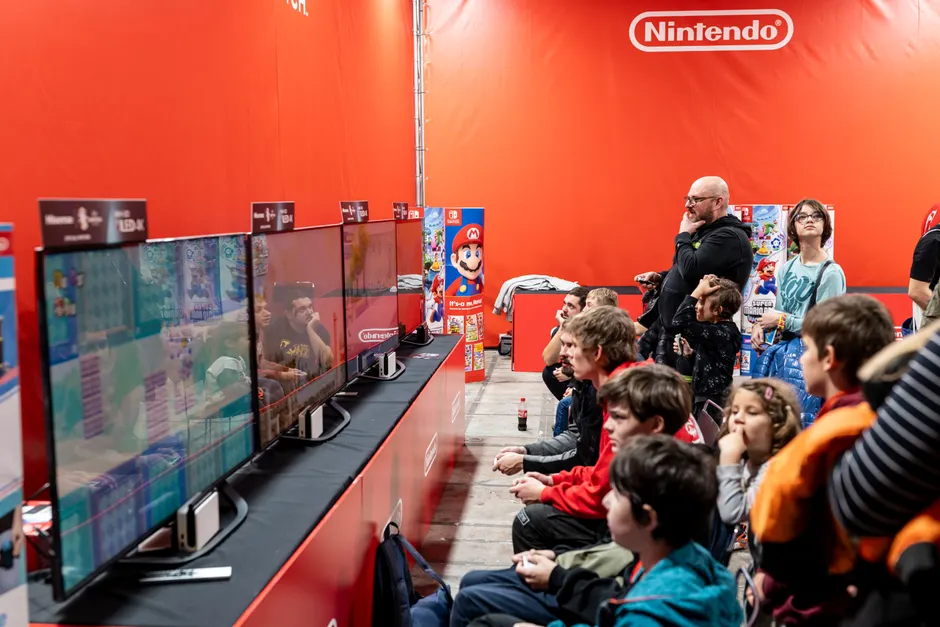
For Nintendo players, those who purchased the original Switch release of The Witcher 3 will receive a free upgrade to the Switch 2 version. The original Switch port was already considered a technical achievement given that hardware's limitations, so this gives existing owners a clean path to the current-generation Nintendo platform without a repurchase.
Beyond the remaster itself, CD Projekt Red announced a third DLC expansion for The Witcher 3, titled Songs of the Past, slated for release next year. This is an unusual move for a game originally released in 2015. Substantial new content for a title over a decade old speaks to the enduring commercial and cultural footprint of The Witcher 3, and it keeps the property in active player engagement while the studio's forward-looking projects continue in development.
The broader Witcher roadmap is now coming into focus. CD Projekt Red is targeting a 2028 release for The Witcher 4. A modern remake of the original Witcher game, the 2007 title that launched the franchise, is also in development. Together, these projects point to a multi-year strategy to keep the Witcher franchise active across multiple entry points simultaneously: a refreshed and expanded Witcher 3 for current platforms, a remake of the original for new and returning audiences, and a full sequel further out.
On the technical side, the combat and traversal changes address some of the longest-running criticisms of the original release. The Witcher 3's combat, while functional, was frequently cited by players and critics for imprecise targeting, a camera that could disorient during close-quarters encounters, and movement that felt weighty to a fault. The addition of new finishers and a revised skill tree suggests CD Projekt Red is not simply porting assets forward but iterating on the game's core loop — the central cycle of combat, exploration, and progression that players repeat throughout the experience. Whether these changes satisfy players who have spent hundreds of hours with the original combat system is an open question that September 29 will begin to answer.
The decision to bundle the DLC expansions with the remaster and offer the entire package as a free upgrade is straightforward in its mechanics but notable in its generosity. In an industry where "remastered" and "definitive edition" releases have often served as repurchase vectors — new versions of an existing game designed to get players to buy it again — CD Projekt Red is treating the remaster as an enhancement for the existing install base rather than a separate product. The Switch 2 upgrade path reinforces the same principle.
Songs of the Past arriving next year adds another variable. New DLC for an eleven-year-old game creates a split in the player experience: those who purchase the remaster in September will receive the base game and existing expansions, then a new content drop the following year. CD Projekt Red will need to manage how that content integrates with the remastered systems and whether it is also available to owners of the original, non-remastered versions. These are logistical questions the studio has not yet publicly addressed.
The 2028 target for The Witcher 4 places it on a timeline that gives CD Projekt Red substantial runway. That distance, combined with the original Witcher remake and the new Witcher 3 DLC, frames a franchise operating on multiple fronts at once. For a studio whose last major original release, Cyberpunk 2077, navigated a famously difficult launch and extended post-release recovery period, the pacing here looks deliberate.