Anbernic Starts Offering Free Replacement Parts to Warranty Customers
Anbernic Starts Offering Free Replacement Parts to Warranty Customers
Anbernic is now providing free replacement and repair parts to customers within the first 12 months of ownership, according to the company's official site. For a market segment where spare parts have largely been left to the customer to source independently, this change is practical and welcome.
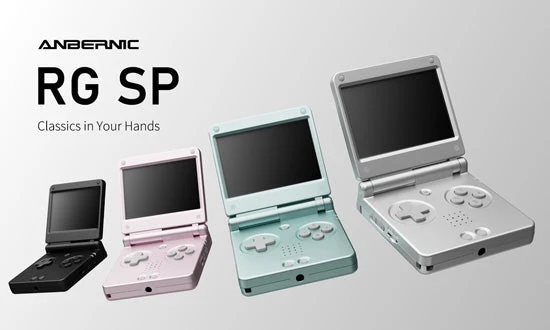
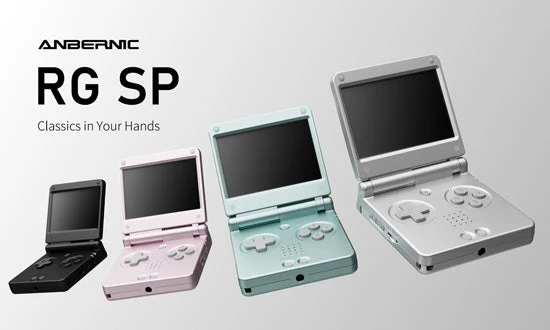
Anbernic manufactures the RG-series handheld gaming devices, popular with people who play retro games and homebrew software through emulation. Until now, owners who needed a replacement stick, button, or screen had to hunt through third-party sellers or overseas marketplaces — an unreliable process at best.
Why this matters for this audience
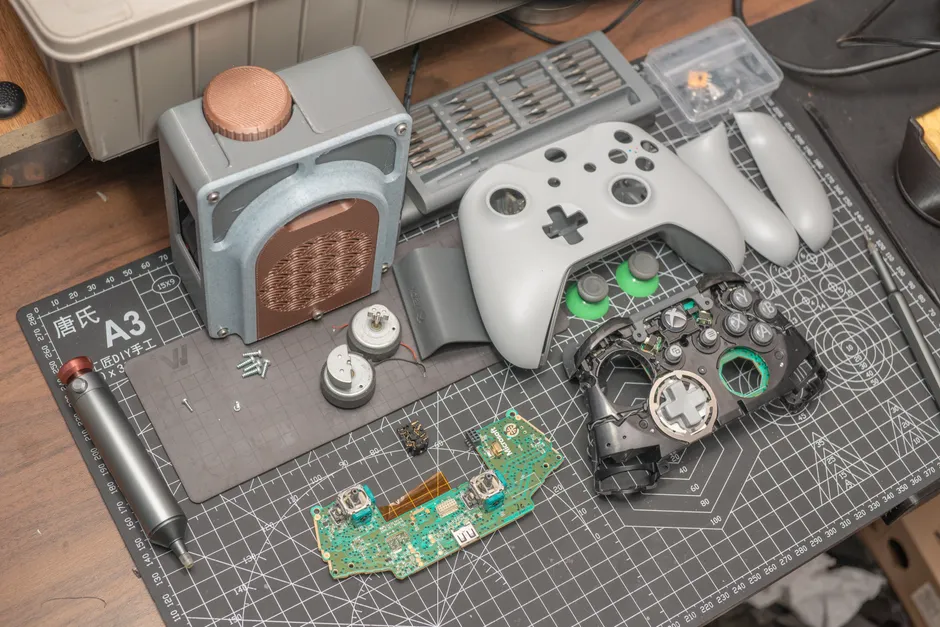
The Anbernic user base differs from mainstream console gamers in a specific way: they expect to repair and modify their hardware. They flash custom software, remap controls, swap storage cards, and treat their devices as platforms they can tinker with rather than sealed boxes. A worn shoulder button or broken joystick doesn't mean buying new hardware; it means ordering a part and fixing it yourself.
For this kind of owner, having official parts available from the manufacturer changes the equation. You know what you're getting, compatibility is guaranteed, and you're not guessing whether a third-party component will actually work. That's a real quality-of-life improvement.
The 12-month window aligns Anbernic with consumer protection standards that are now becoming law in Europe and several U.S. states — frameworks that expect manufacturers to support repairs. Whether this free-parts program works equally smoothly for buyers outside China is something the community will test quickly.
Commercial and competitive context
The handheld emulation market has grown fast over the past few years. Anbernic now competes against Retroid, Ayaneo, and several smaller Chinese-based makers. These devices typically cost between $50 and $200, and at that price point with similar specs across competing brands, after-purchase support becomes a factor that influences which one people choose.
The right-to-repair movement has gained legal momentum in the EU and states like New York and California, making manufacturer support for parts not just a customer-service question but a reputational one. Anbernic's audience is notably technical and vocal — they publish detailed teardowns, maintain repair wikis, and actively reward companies that make devices easier to fix. For a small manufacturer, that kind of community attention translates to word-of-mouth advantage.
The execution question
Offering parts on paper and actually delivering them consistently are different things. Anbernic will need to maintain inventory across a product line that updates frequently, keep clear repair documentation, and handle international shipping reliably. The company's track record on customer support responsiveness has been uneven, something its own community forums have documented. How well this program works in practice will determine whether it becomes a genuine competitive advantage or an aspirational policy.
That said, what Anbernic is announcing is straightforward and user-friendly: official parts, available under warranty, with a clear commitment to repairability. The handheld emulation category has matured from a small hobbyist niche to a hardware market with millions of units in circulation annually. The infrastructure supporting that growth — including after-sales support — is catching up accordingly.
Fewer devices stuck in drawers waiting for a replacement part. Longer useful lifespans for hardware people have invested in. Less electronic waste. These aren't dramatic outcomes, but they compound over time and reflect a shift toward how manufacturers are expected to build hardware.