Federal Judge Clears Path for ICE Agent's Release as Minnesota-Texas Extradition Fight Collapses
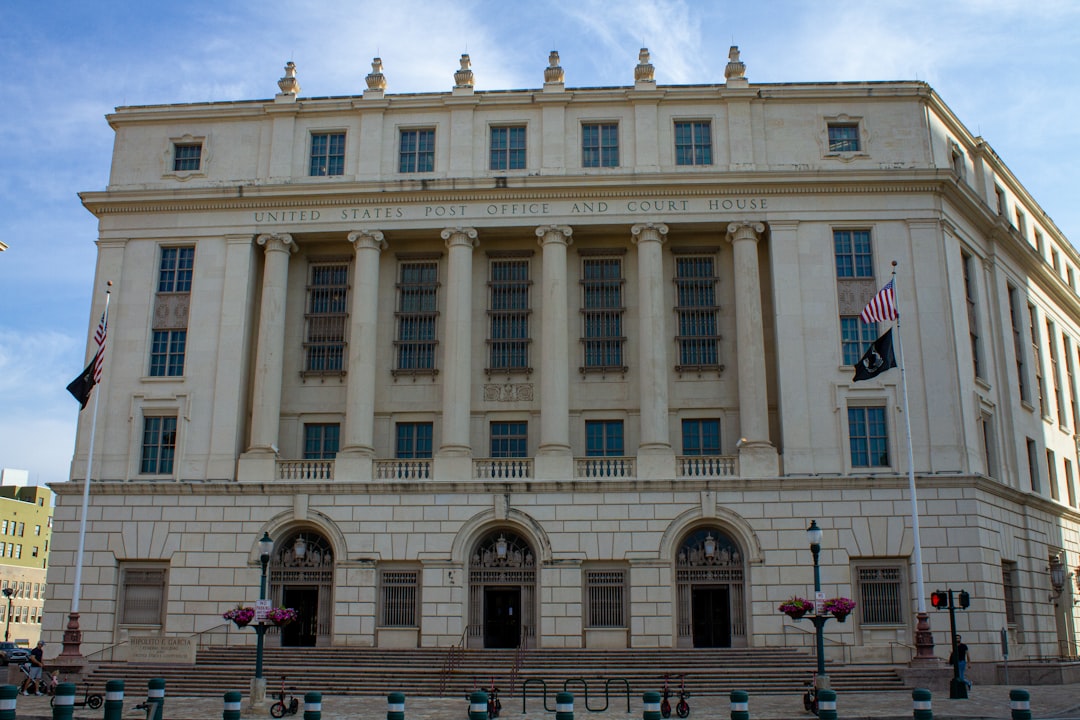
A federal judge in Brownsville, Texas, has declined to order the state to hand over ICE agent Christian Castro to Minnesota, where he faces assault and false-reporting charges. The ruling clears a path for Castro's release from a Texas jail as early as Wednesday.
US District Judge Fernando Rodriguez Jr., a Trump appointee, sided with Texas on August 26, 2026, rejecting Minnesota's emergency effort to force Castro's transfer. Castro has been held at a jail in Brownsville, on the US-Mexico border, while Minnesota authorities pursued his extradition — the legal process by which one state surrenders a person to another state to face criminal charges. Under Texas law, Castro must be released after 90 days of detention, a deadline that falls on Thursday. The Guardian
The case stems from a January 14, 2026 incident in Minneapolis. Castro is accused of firing a gun through the front door of a home, striking 24-year-old Julio Cesar Sosa-Celis in the leg. The bullet lodged in a child's bedroom wall. Hennepin County Attorney's Office
Prosecutors say Castro falsely accused Sosa-Celis and another man of attacking an ICE officer with a broom handle and a snow shovel. He was charged by local prosecutors in Minnesota with four counts of second-degree assault and one count of falsely reporting a crime. Mary Moriarty, the Hennepin County attorney, is prosecuting the case. The Guardian
The extradition fight has escalated into a confrontation between two state executives. Texas Governor Greg Abbott refused to honor the extradition request, citing continuing investigations of fraud in government social service programs in Minnesota. Minnesota Attorney General Keith Ellison, a Democrat, filed suit against Abbott on August 18, 2026, to compel the transfer. Minnesota Attorney General
Ellison's complaint alleges that Abbott withheld the rendition warrant — the formal document needed to carry out an extradition — for nearly three months. At a federal hearing in Brownsville before Judge Rodriguez, attorneys with the Minnesota attorney general's office argued it would be difficult to compel Castro to face charges in Minnesota if he were released. Jurist Rodriguez declined to intervene. The Guardian
The Extradition Clause of the US Constitution and the implementing federal statute (18 USC § 3182) generally require a governor, upon demand from another state's executive, to deliver a fugitive. Governors possess limited formal grounds to refuse. Abbott's invocation of investigations into Minnesota social-service fraud introduces a rationale well outside the conventional framework for denying an extradition demand, and the failure of Minnesota's federal-court action to override that position leaves the constitutional mechanism effectively unenforced in this instance.
The broader context here involves the practical reach of prosecutors when the defendant is a federal law-enforcement agent held in a sympathetic jurisdiction. Castro's status as an ICE officer has no formal bearing on the extradition process, but the political alignment between Abbott's office and federal immigration enforcement priorities casts the refusal in a specific light. Minnesota prosecutors, for their part, now face the prospect that Castro may never appear in a Hennepin County courtroom unless a subsequent legal action compels Texas to act or federal authorities pursue an independent channel.
The 90-day detention clock under Texas law is the binding constraint. With the federal court declining to extend it, Castro's release on Thursday would mark the effective collapse of Minnesota's extradition effort unless an appellate court intervenes before then.


