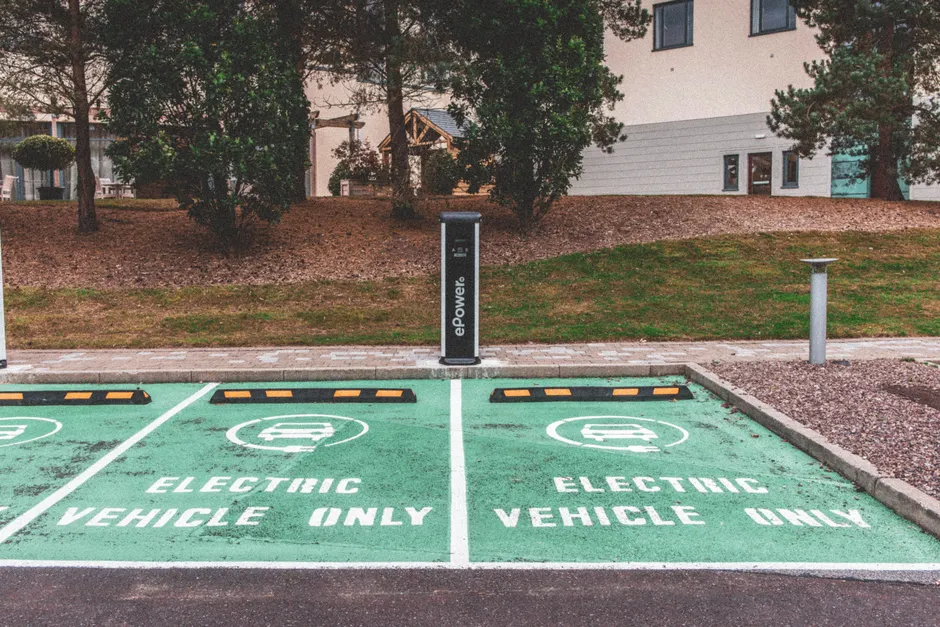
The UK is Quietly Weakening Its Electric Car Targets — and It Matters Why

The UK government is preparing to soften its interim targets for electric car sales, according to reporting from The Guardian on 14 June 2026. Automakers and unions have been pushing hard for relief from the pace of transition, and the pressure appears to be working.
Under the current Zero Emission Vehicle (ZEV) mandate, every manufacturer selling cars in Britain must hit escalating annual quotas. The targets are 28% of new car sales in 2025, rising to 33% in 2026, building toward 80% of new cars and 70% of new vans by 2030, and 100% electric vehicles across both categories by 2035. The system works as a quota: manufacturers that miss the target either buy credits from rivals who exceed theirs or pay a penalty for each non-compliant vehicle.
The 2035 full-electrification deadline has backing across political parties and aligns with the UK's climate commitments, so any revision is likely to focus on the steeper annual milestones rather than that final endpoint. This distinction carries weight. Easing the interim targets gives manufacturers breathing room to manage mixed fleets and unsold inventory in the short term while nominally preserving the long-term decarbonisation signal. But critics of any relaxation — and they have a point — argue that those annual steps are the real enforcement mechanism. Without credible yearly targets, the 2035 commitment becomes a promise with no teeth.
The government began signalling this shift in November 2024, when Chancellor Rachel Reeves said the targets were under review following complaints from manufacturers who are struggling to hit quotas. Consumer demand for EVs has lagged the government's original projections, for obvious reasons: buying an EV remains expensive, charging infrastructure is still patchy in much of Britain, and buyers worry about resale value. Automakers have lobbied hard, arguing that compliance fines would ultimately land on consumers through higher prices or fewer vehicle choices in the UK market.
Unions add a political dimension that makes this decision particularly thorny. Labour came to power partly on a promise to revitalise British industry, and the traditional automotive workforce — based in Sunderland, Ellesmere Port, and Solihull — is exposed to how quickly the EV transition happens. Softening the mandate gives factories short-term relief from the scramble to retool, but it also defers the investment certainty those same plants desperately need to commit capital to electric vehicle production.
This is not a British problem alone. The European Commission has faced similar pressure from Volkswagen, Stellantis, and other carmakers over its plan to phase out petrol engines by 2035, with countries including Italy and Germany pushing for loopholes. How Britain handles this question will be watched in Brussels as a test case for whether these mandatory targets can actually survive at the speed governments originally set.
Meanwhile, the structural shift toward electric vehicles continues regardless of policy tinkering. Polestar, a premium EV maker, recently announced the start of sales in Estonia, Latvia, and Lithuania, with new showrooms planned across the Baltic region during 2026. That expansion reflects a judgment by growing EV manufacturers that the long-term shift remains intact, even if governments are renegotiating the near-term speed.
The government faces a practical challenge: how to relax the targets without signalling that the 2035 commitment is negotiable, which would damage investor confidence. One option — and probably the politically easiest — is to allow more flexibility in how manufacturers trade and accumulate credits within the mandate rather than cutting the headline percentages themselves. Another is to formally lower the 2030 interim milestone, which would require a new law and invite much sharper political scrutiny.
What the government actually announces will shape how the mandate is treated going forward. Automakers, companies investing in charging infrastructure, and fleet buyers are all making capital decisions right now based on assumptions about that 2030 ramp. Uncertainty carries a cost, and it cuts both ways — it discourages investment by those betting on a strict timeline and gives relief to those hoping the targets will ease.