Houthi Escalation Against Saudi Arabia: What Happened and Why It Matters
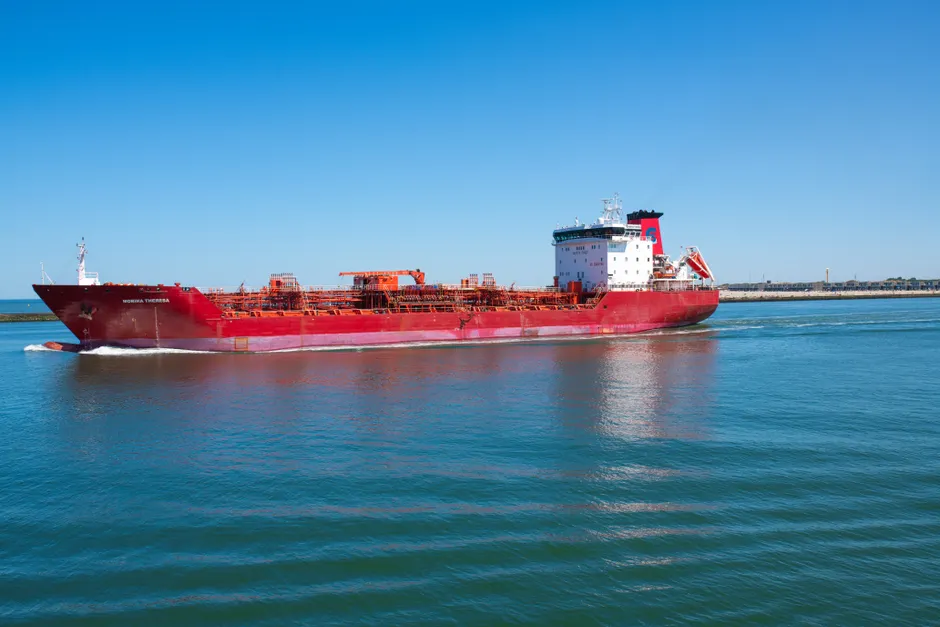
Houthi forces have carried out at least 16 attacks against Saudi Arabian targets between July 13 and August 14, 2026, hitting seven oil facilities and six oil tankers, according to conflict monitoring data from ACLED. The campaign is the most sustained Houthi escalation against the kingdom in years, involving missile and drone strikes on Saudi soil, naval attacks on commercial and military vessels in the Red Sea, and an announced blockade of the Bab al-Mandab Strait — a narrow waterway through which a large share of global maritime trade passes.
The immediate trigger appears to have been a Saudi airstrike on a Houthi-controlled airport in July. Reuters reported on July 13 that the Houthis fired missiles at Saudi Arabia after accusing the kingdom of bombing the airport, breaking years of relative calm Reuters. On July 21, the Houthis announced a naval blockade against Saudi Arabia, threatening shipping through the Bab al-Mandab Strait, one of the world's most critical maritime chokepoints. By late July, The New York Times documented Houthi missile and drone fire into Saudi territory and at Red Sea shipping over the course of a single week NYT, July 27.
Saudi Arabia responded diplomatically on July 30, inviting dozens of countries to join a coalition to protect Red Sea shipping from Houthi attacks NYT, July 30. The kingdom also welcomed the UN Security Council's August 13 condemnation of Houthi missile strikes against Saudi territory and commercial shipping Arab News. Saudi forces carried out retaliatory strikes against Houthi military targets inside Yemen, raising the conflict to what ACLED described as a heightened state of open conflict ACLED.
The tempo of attacks intensified through August. On August 5, The New York Times reported that the Houthis threatened to expand their Red Sea campaign and claimed strikes on Saudi tankers NYT, August 5. Two days later, Al Jazeera reported that a Houthi attack on southern Saudi Arabia wounded 11 civilians, while Saudi air defenses intercepted multiple Houthi drones Al Jazeera. The same day, Reuters reported that Saudi Arabia expected imminent coordinated attacks from Iraqi militias to its north and Houthi forces to its south, raising the prospect of a two-front threat Reuters, August 7.
On August 9, Houthi rebels claimed attacks on a Yemeni government-held Red Sea port and on an oil facility inside Saudi Arabia (ABC News). On August 17, both Reuters and The New York Times reported Houthi strikes on Saudi vessels in the Red Sea. Reuters specified that the Houthis attacked what they described as a Saudi military ship and four escort vessels near Yemen's Mocha with missiles Reuters, August 17. The most recent incident came on August 24, when Reuters reported a Houthi attack on a vessel off Saudi Arabia's Red Sea port of Yanbu, with no injuries reported Reuters, August 24.
On August 20, the Houthi Ansar Allah Movement claimed three additional attacks on Saudi and allied targets and threatened an "immediate, harsh response" to any "hostile scheme" MEMRI. The language signals a potential further escalation phase. The CFR's Global Conflict Tracker noted that Houthi strikes on Saudi Arabia's Abha Airport in July threatened to reignite the Yemeni civil war CFR.
The broader context here is a breakdown of the uneasy deterrence that had held between Riyadh and the Houthis since a 2022 UN-brokered truce. That informal arrangement, never formally renewed, had substantially reduced cross-border strikes even as the underlying conflict in Yemen remained unresolved. Think of it as a ceasefire in name — the shooting mostly stopped, but none of the disagreements that caused the war were settled. The current escalation carries risks on multiple fronts at once. The naval dimension directly threatens commercial traffic through the Bab al-Mandab Strait, through which a significant share of global maritime trade transits. Saudi Arabia's invitation to dozens of countries suggests Riyadh assesses the threat exceeds what its own naval and air defense assets can manage alone. The reported expectation of coordinated attacks from Iraqi militias and Houthis simultaneously adds a regional dimension, potentially linking the Yemen front to the broader Iran-aligned militia network across the Gulf and Levant.
What remains unclear is whether either party seeks a full return to the 2015–2022 war footing or whether this escalation is intended as coercive signaling — using military pressure as a bargaining chip rather than aiming for outright war. Saudi Arabia's decision to internationalize the maritime defense dimension rather than launch a large-scale unilateral military response suggests at least some preference for containment. The Houthi leadership's threats of a "fifth stage" of war, coupled with the sustained operational tempo through August, indicate the movement sees military pressure as leverage rather than an end in itself. The UN Security Council's condemnation, while diplomatically significant, has historically done little to alter Houthi battlefield behavior. The trajectory will likely be determined by whether Saudi retaliatory strikes inside Yemen provoke further Houthi escalation or whether back-channel mediation, potentially through Oman, re-establishes a deterrence framework before the conflict settles into a sustained exchange.