Mexico Arrests First Suspect in Live-Streamed Killing of Influencer César Gastélum
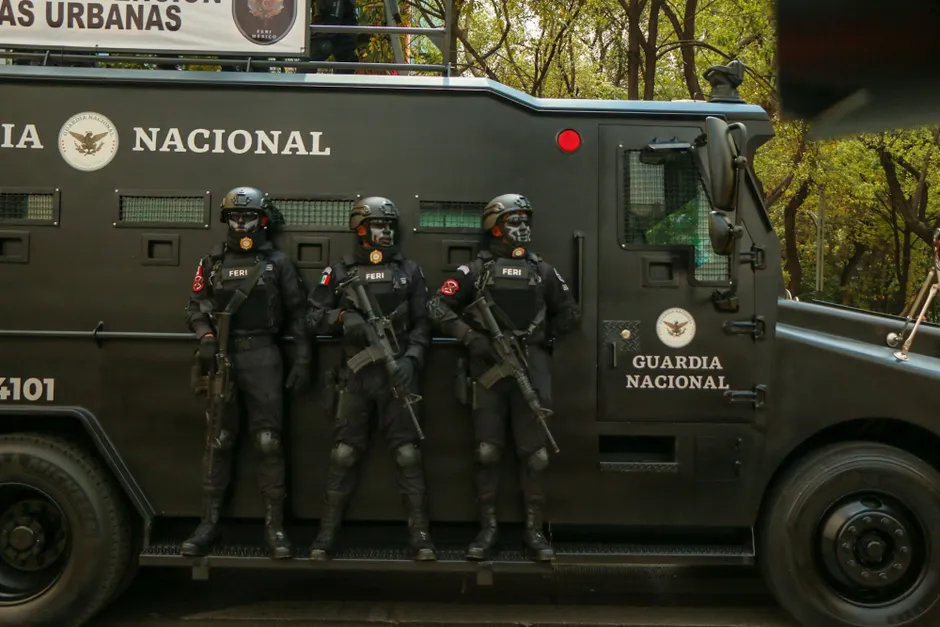
Mexican authorities have arrested the first suspect in the killing of influencer César Gastélum, who was shot dead during a live stream in Culiacán, Sinaloa, on August 4, 2026. The detention was reported on August 27, 2026, weeks after the killing drew international attention to violence against social-media personalities in Mexico.
The arrest took place in Puebla, where one of the two men who allegedly fired at Gastélum was taken into custody Yahoo Noticias. During the operation, one attacker was killed and two others were detained Yahoo Noticias. The DW report confirmed the arrest of the first suspect in the case Deutsche Welle.
Separately, Mexican authorities arrested Ramón Ángel Álvarez Ayala, identified as the leader of a criminal cell with links to the Jalisco New Generation Cartel (CJNG), in connection with the case The Guardian.
Gastélum was killed on the night of Tuesday, August 4, 2026, in Culiacán, the capital of Sinaloa and a long-standing center of Mexican cartel activity. He had over 600,000 followers on TikTok at the time of his death CNN. Two helmeted individuals on a motorcycle approached him before the shooting CNN. In a livestream recording reviewed by Reuters, the motorcycle's driver appeared to fire a gun directly at Gastélum NBC News CBS News.
The arrest in Puebla is the first publicly confirmed detention of a direct perpetrator in the Gastélum killing. The operation's outcome, with one suspect killed and two detained, points to an active enforcement effort separate from the earlier arrest of Álvarez Ayala, whose ties to the CJNG place the case within the broader landscape of organized crime in western and northern Mexico.
The fact that the Puebla arrest targeted an alleged shooter, rather than a cell leader, suggests authorities are pursuing both the chain of command and the individuals who carried out the attack. Whether the detained suspects are tied to the same CJNG-linked cell attributed to Álvarez Ayala, or to a rival faction operating in Sinaloa, has not been disclosed in the available reporting. That distinction matters: Culiacán sits in territory historically associated with the Sinaloa Cartel, and CJNG involvement there would point to competition between cartels rather than internal discipline.
The killing of Gastélum also fits a wider pattern of violence against social-media figures in Mexico, particularly those whose content intersects with the drug economy or local power dynamics. Livestreaming adds a layer of exposure that traditional journalism does not carry: creators broadcast in real time without editorial buffers or security protocols, making them both visible targets and, inadvertently, real-time witnesses to their own attacks. The recording of Gastélum's killing, reviewed by international wire services, likely provided authorities with evidentiary material that would not exist in a conventional homicide.
For investigators, the combination of livestream footage, geographic specificity, and the Puebla arrest suggests a multi-jurisdictional effort. The suspect was apprehended in a state more than 1,000 kilometers from the crime scene, which indicates either intelligence-led tracking or that the perpetrators relocated after the attack. Either scenario carries implications for how Mexican federal and state forces coordinate in cross-regional organized-crime cases.
The broader context here is that Mexico's influencer economy has grown in areas where traditional media presence is constrained by violence or self-censorship. Creators like Gastélum occupied an ambiguous informational space, part entertainment and part de facto local reporting. The targeting of such figures, whether for content they produced, rivalries they amplified, or territory they were perceived to represent, places them in a risk category that shares characteristics with both journalism and organized-crime-adjacent activity. Mexican authorities have periodically announced special prosecutorial units for crimes against journalists and media workers, but the legal framework's applicability to social-media influencers remains less defined, leaving these cases to be processed through standard homicide and organized-crime channels.