Ubisoft Sold Heroes of Might and Magic III on Steam Without the Game Files
Ubisoft apologized on August 27, 2026, after selling Heroes of Might and Magic III on Steam without including the actual game files in the download. In a Steam community post, the company said it had "mistakenly released the wrong package" the day before and that the issue was resolved. Engadget
The original download for the $10 release came in at 23.4 kilobytes and displayed an error message when run, according to Engadget and PC Gamer. For context, the full game with its three expansions ships in the hundreds of megabytes. A 23.4 KB file is not a compressed package or a lightweight installer that pulls the real content from a server; it is, for all practical purposes, an empty shell. Engadget confirmed that the updated download now runs as promised in Ubisoft's apology. Engadget
The broken release triggered a flood of negative reviews on Steam, the platform's primary crowd-sourced quality signal. That review bombing has a lasting effect: Steam's review system does not retroactively filter out reviews posted against a broken version of the game, so the "Mixed" or "Mostly Negative" label from this window will factor into the game's displayed score until enough post-fix reviews dilute it.
Heroes of Might and Magic III is a 1999 fantasy turn-based strategy game that includes three expansions. The original classic version was released on Steam under the title "Heroes Of Might And Magic III" on August 25, 2026, in a pack bundling the base game with its expansions. Steam Store
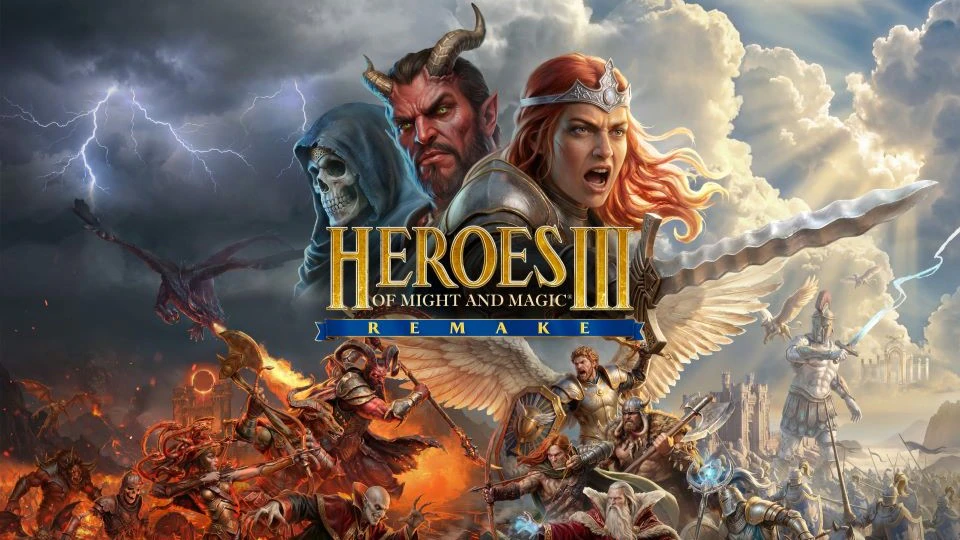
Ubisoft released the updated classic version as promotion for Heroes of Might and Magic III Remake, a modern reimagining of the game planned for release in 2027. The remake expands the game from PC to PlayStation 5 and Xbox Series X/S, adding updated visuals, easier access to user-generated content, and enhanced planning and decision-making tools. Engadget
The broader context here is worth examining. Shipping a 23 KB package for a paid product points to a breakdown in the deployment pipeline — the chain of automated steps that build a game's files, package them for Steam, and run checks before publishing. Steamworks, Valve's toolkit for developers distributing on Steam, supports depot validation (verifying that the uploaded files match what should be there), manifest verification, and staged rollouts precisely to prevent this class of error. A package that small would fail the most basic size sanity check. The fact that it reached the live store suggests either no automated validation was in place for this release or a manual override bypassed it.
This is a classic-titles reissue being used as marketing infrastructure for a forthcoming remake, which makes the packaging failure particularly visible. The classic release exists primarily to re-engage the existing fan base and attract new players ahead of the 2027 remake launch. A broken launch-day build does the opposite of that, and the negative review residue will persist well past the fix. Steam's review system is structurally weighted toward first impressions; a launch-window flood of negative reviews carries a long half-life regardless of how quickly the underlying problem is corrected.
Ubisoft's response was swift once the issue was identified, and the fix is confirmed working. But the incident is a reminder that digital distribution pipelines for legacy titles often operate with less rigor than those for flagship releases, even when those legacy titles are serving a strategic promotional role.