Nepal Flash Floods: Death Toll Climbs Past 389 as Rescue Teams Search Himalayan Valleys
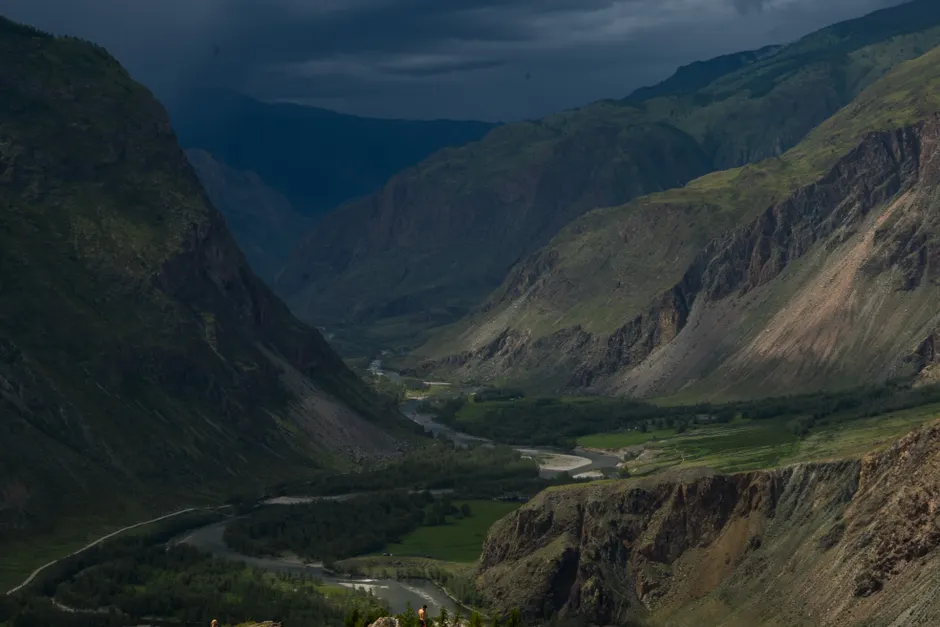
At least 389 people have been killed in Nepal by flash flooding, according to Nepal police, with 466 injured and rescued as rescue operations continued across Himalayan valleys and hillsides on Thursday, August 27, 2026. The Guardian
The death toll was revised upward over the course of the day. It had stood at more than 350 earlier on Thursday before Nepal police confirmed the figure of 389, BBC News reported. Before that, Reuters had reported at least 359 dead and nearly 1,000 missing. Reuters
The New York Times reported that more than 1,400 people remained missing after the massive flash floods that struck Nepal and Tibet. Officials told the Times that hundreds of people were killed across both Nepal and Tibet in the flooding. The New York Times
The disaster struck a border area of Nepal and China on Wednesday, August 26. PBS reported that the flash floods killed at least 98 people at that early stage and left hundreds of tourists and workers affected. PBS The jump from the initial PBS figure of 98 to the confirmed 389 reflects how rapidly the situation worsened and how hard it is to get accurate information from remote mountainous terrain in the first hours of a catastrophe.
The scale of the missing persons figure is particularly significant. The discrepancy between Reuters' count of nearly 1,000 missing and the New York Times' figure of more than 1,400 reflects the fluidity of the situation and the difficulty of coordinating casualty data across a disaster zone spanning two countries: Nepal and the Tibet Autonomous Region of China. In disasters of this nature, initial missing persons counts often include both duplicate reports and individuals who are later found safe, but the magnitude here points to a catastrophe affecting a densely populated or highly concentrated area along the border.
The broader context here is the vulnerability of Himalayan border communities to sudden-onset flooding events. Flash floods are rapid surges of water that occur with little warning, often triggered by heavy rainfall or the collapse of a natural barrier such as an avalanche-dammed river. The geography of the region, with steep valleys and dense settlements along river systems, means that these floods can generate catastrophic casualties in compressed timeframes before evacuation is possible. The fact that tourists and workers were among those affected suggests the flooding struck areas with transient populations, which complicates both rescue coordination and casualty verification. For relief agencies and governments operating in the region, the operational challenge is immense: search teams must cover vast, difficult terrain where access routes may themselves have been destroyed by the flooding.
The cross-border dimension adds another layer of complexity. A disaster spanning Nepal and the Tibet Autonomous Region requires coordination between Nepalese authorities and Chinese officials, each with their own rescue infrastructure, communication protocols, and domestic political considerations. The number of casualties on the Tibetan side has not been separately specified in the available reporting, though the New York Times noted that officials confirmed hundreds killed across both Nepal and Tibet combined.
Rescue operations were focused on Himalayan valleys and hillsides as of Thursday, with teams searching for survivors among the nearly 1,000 to 1,400 people reported missing. The rising death toll over a 24-hour period suggests that recovery efforts are still in the phase where bodies are being located faster than survivors, a grim but common pattern in the first days after a major flood event in mountainous terrain.


