GTA 6 Will Make Stealing Cars Harder — and More Strategic
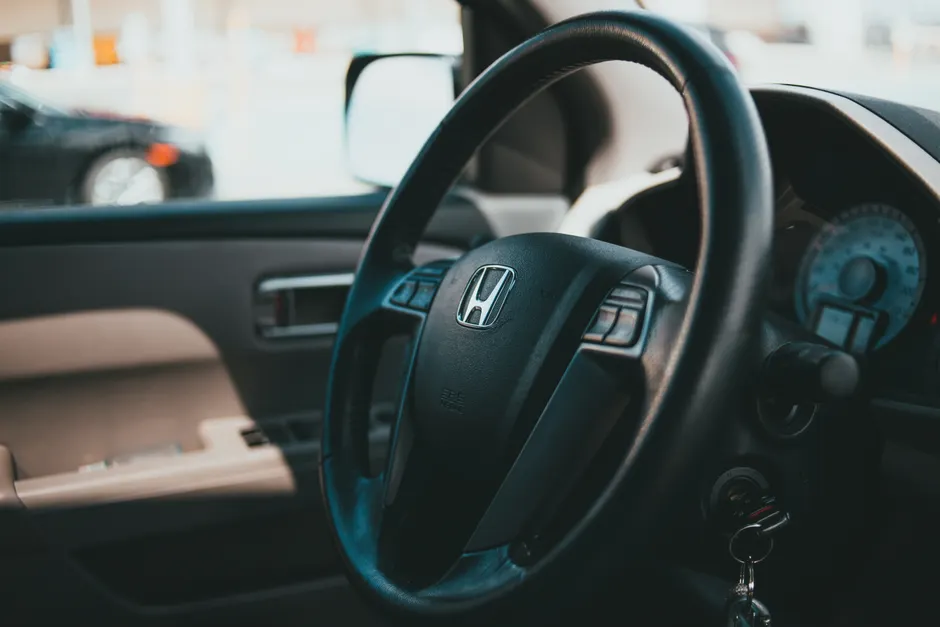
Rockstar's Grand Theft Auto VI will require different approaches to stealing cars depending on the vehicle's make and model, meaning not every car can be hot-wired (Engadget). Co-studio head Rob Nelson told IGN that the game adds "layers of stratification" to vehicles, a shift from previous entries where pressing a single button automatically hot-wired and stole any vehicle.
In GTA 6, certain parked cars will be inaccessible until players progress through the story and acquire the necessary tools to get into them. Players, however, can always carjack any driver they see. Cars with electronic key fobs may require a key cloner — a device that copies the signal from a car's remote — to access. Vehicles with built-in GPS systems could require players to drive at a certain speed to avoid detection while stealing them. The game will feature an in-game app that helps players figure out what they need to steal a car and how much that car is worth.
The shift from a universal hot-wire action to varied, anti-theft-specific mechanics introduces a progression gate tied to the vehicle economy. By locking certain parked cars behind tools like key cloners, Rockstar ties player access to the story's progression. The in-game valuation app folds the theft mechanic into the broader economic loop, giving players a cost-benefit tool before committing to a steal. The friction of stealing a high-end vehicle is now weighed against the potential reward, adding a layer of resource management to what was previously a one-button action.
The GPS-based speed requirement for detection avoidance suggests the game's AI and law enforcement systems will interact with vehicle telematics — the data a car broadcasts about its own location and status. This moves the wanted-level mechanic from a purely observational or line-of-sight system to one potentially governed by the stolen vehicle's own broadcasted data. The requirement to manage speed to evade detection introduces a different gameplay loop during the escape phase, varying the post-theft experience based on the vehicle's specifications.
In my view, the decision to map specific anti-theft countermeasures to individual vehicle makes and models reflects an approach to world-building that prioritizes consistency over player convenience. By requiring a key cloner for electronic fobs and varying access methods by vehicle type, the game world's internal logic mirrors the evolution of real-world automotive security. This is a design choice that adds friction to a core mechanic, but it also creates a more granular interaction with the game's environment, where the player must engage with the specific properties of each vehicle rather than treating them as interchangeable assets.