Nepal's 2026 Flash Floods: What Happened, Why It Was So Destructive, and the Aid Response So Far
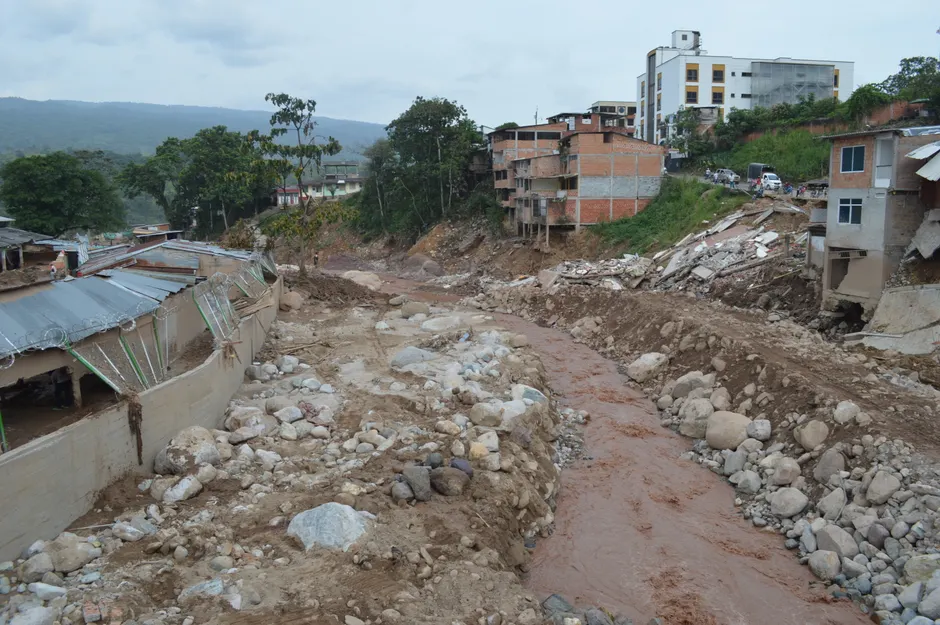
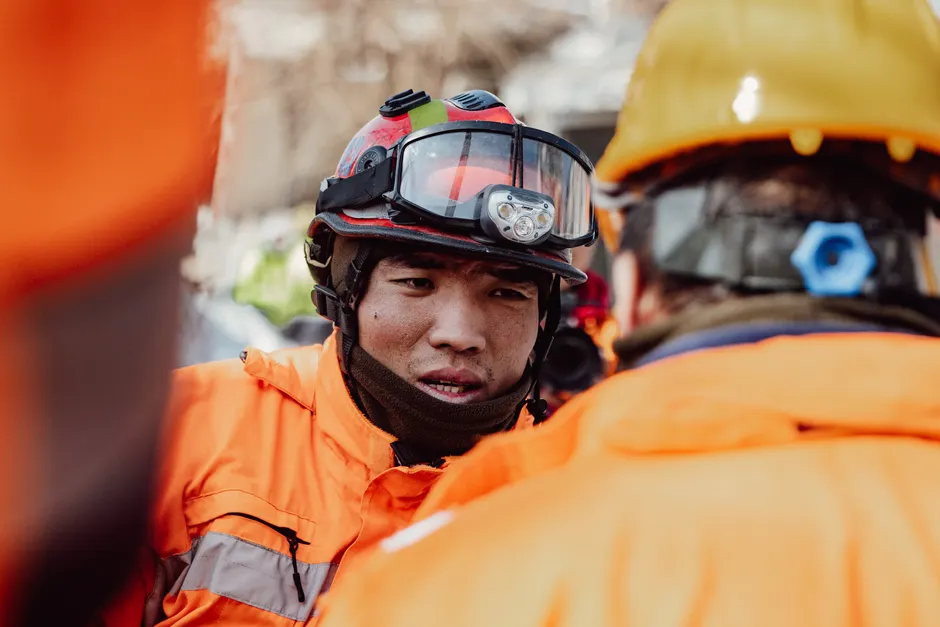
On 26 August 2026, a major flash flood struck Nepal's Rasuwa district, damaging or destroying homes, livelihoods, infrastructure, and public services within hours (British Red Cross). Two days later, rescuers were still racing to find survivors in flood-devastated areas of northern Nepal, with some communities remaining cut off (ReliefWeb). Hundreds of people remain missing across Nepal and China's Tibet region after waves of floodwaters ripped through river valleys (UN News).
The human cost is stark. The New York Times reported survivors' accounts near the Tibet border that laid bare the effects of the swollen waters, with one survivor telling the paper: "They all died, and I lived" (New York Times). Another Times report captured survivors describing "a devastating force that turned everything upside down" (New York Times). Nepali police issued warnings to residents to head for safety amid a new flood advisory, according to live updates from the Times (New York Times.
Current estimates suggest approximately 93,000 people may have been affected by the flash floods, with many homes destroyed or severely damaged (ReliefWeb). The geographic scope extends beyond Nepal's borders: the UN confirmed that hundreds remain missing in both Nepal and China after the floodwaters surged through transboundary river valleys (UN News).
The international humanitarian response mobilized quickly. OCHA allocated US$3.2 million from the UN Central Emergency Response Fund (CERF) to support affected communities (OCHA). CERF is a pooled UN fund designed to release money fast in the early hours of a crisis, before individual donor countries can finalize their own contributions. The UN's emergency relief chief released an initial US$2 million for urgent medical care, shelter, clean water, and sanitation (UN News; OCHA). The IFRC launched a CHF 25 million Emergency Appeal on 27 August, structured as a 24-month response operation (ReliefWeb).
Save the Children was delivering emergency aid in still-cut-off areas as of 27 August (ReliefWeb). On 28 August, nine schoolchildren were reunited with their families after being stranded at school for two days by the floods (ReliefWeb).
The broader context here is Nepal's acute vulnerability to monsoon-season flash flooding, particularly in districts like Rasuwa that sit along steep river valleys draining the Himalayan frontier. The transboundary dimension, with missing persons spanning into Tibet, complicates coordination between Nepali and Chinese authorities. The speed of the flooding, as survivors described it, left little window for evacuation, a pattern consistent with flash flood events in mountainous terrain where rainfall or upstream breaching can send walls of water down narrow valleys with minimal warning lead time.
The funding architecture activated in this response is worth noting for its layered structure. CERF allocations typically serve as rapid-onset bridge financing, designed to fill gaps before bilateral donor contributions materialize. The IFRC's CHF 25 million, 24-month appeal signals an institutional assessment that recovery needs will extend well beyond the immediate emergency phase. The gap between the initial US$2 million CERF tranche and the US$3.2 million total allocation suggests the scale of need was revised upward as damage assessments filtered in during the first 48 hours.
What remains uncertain is the full casualty count. With hundreds still missing and access to cut-off communities still constrained, the figures are likely to shift. The Nepali police warning of a new flood advisory indicates that the hydrological threat may not yet have passed, raising the prospect of compound flooding events in an already devastated region.