Why Drowning Deaths Spike Every Summer — and What Agencies Are Doing About It
Drowning deaths in the United States climb each year from April through September, a seasonal pattern confirmed by CDC data covering 2018–2024 and reinforced by a string of fatalities across California in the summer of 2026 (The Guardian; CDC).
In June, two college students died after being swept away by turbulent waves on a beach in Santa Cruz, California. Two brothers were found dead in the Trinity River, a popular rafting spot that had already seen several casualties that summer. At Laguna Beach in southern California, a bodysurfer lost consciousness in the water after being seen struggling to stay afloat. Earlier in the summer, a five-year-old girl was found dead at the same beach after being engulfed by a wave (The Guardian).
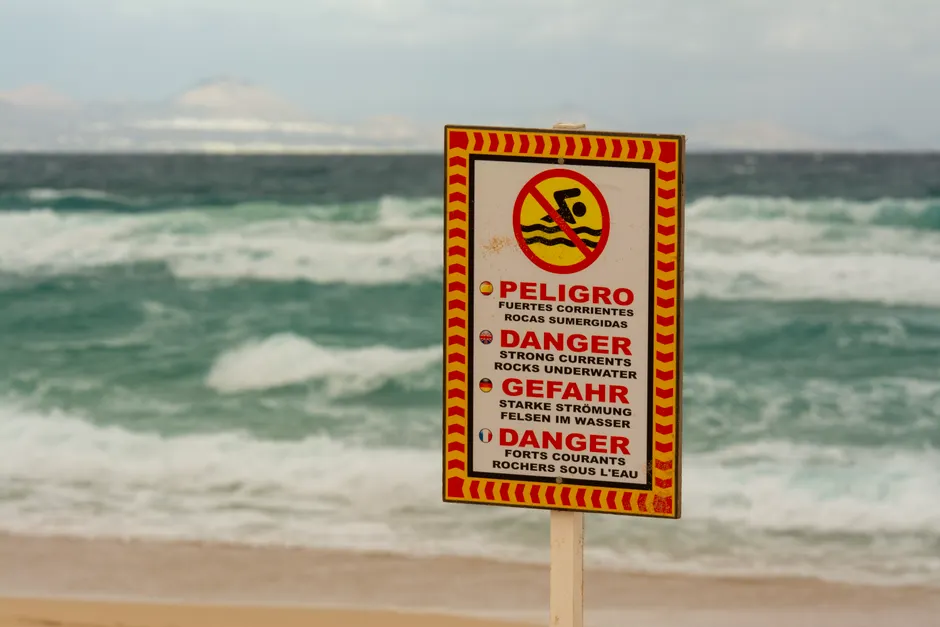
The National Park Service has stressed the gap between air temperature and water temperature. Rivers, lakes, and oceans can stay below 80°F even in midsummer. Water below 70°F lowers body temperature and can trigger cold shock — a sudden gasp reflex and loss of muscle control that makes it hard to breathe and swim. Mike Garel, an NPS Lake Mead National Recreation Area chief ranger, urged swimmers not to assume that conditions safe elsewhere are safe at a given location. His guidance: understand local conditions, know your abilities, follow posted signage, wear a life jacket, and keep watch over companions (The Guardian; NPS).
A California state parks spokesperson cautioned that tides and swell variables can quickly turn a safe beach day dangerous. Rip currents — fast-moving channels of water flowing away from shore — are not always visible and can pull swimmers out. The agency advised bystanders who spot swimmers in distress not to attempt a rescue themselves, but to stay on high ground, maintain visual contact with the victim, and flag down responders. Many cases, the agency noted, were made more dangerous by bystander rescue attempts (The Guardian).
Federal health officials repeat longstanding advice for anyone entering natural waters: wear a life vest, including strong swimmers, since flotation devices can be critical if water depth suddenly changes or fatigue sets in. Officials also discourage consuming drugs or alcohol before swimming, as impairment of motor skills increases drowning risk (The Guardian; CDC).
National Park Service guidance from multiple units reinforces the same themes. Indiana Dunes National Lakeshore has stated that high waves are the number one cause of drowning in the park and that breaking waves and whitecaps indicate conditions too dangerous for swimming. Grand Teton rangers, responding to a drowning in Jackson Lake near Colter Bay in July 2025, advised always wearing a life jacket regardless of swimming ability, preparing for cold water temperatures even in summer, and keeping a close eye on swimmers (NPS, Indiana Dunes; NPS, Grand Teton). New River Gorge rangers, recovering a possible drowning victim in June 2021, noted that the New River is a high-volume waterway with swift currents and deep holes (NPS, New River Gorge).
The NPS also advises designating a "Water Watcher" — a designated person whose sole job is to supervise swimmers — stating that most fatal drownings occur when supervision is poor or absent (NPS). Yosemite National Park, in a June 20, 2026 Facebook post, stated it records several water-related deaths a year in its local swimming holes, along with dozens of injuries there (Yosemite NPS).
The CDC's drowning data and research page was last reviewed by subject matter experts on January 27, 2026, having been last updated October 29, 2024 (CDC).
The broader context here is a recurring seasonal risk that public health and parks agencies have flagged for years with broadly consistent guidance, yet one that continues to produce fatalities across diverse water bodies. The cluster of deaths in California during the summer of 2026 spans ocean beaches, a river rafting destination, and a bodysurfing site — a reminder that drowning risk is not confined to a single type of environment. The NPS messaging from Lake Mead ahead of the 2024 Independence Day holiday, which also addressed dehydration, heat exhaustion, and heat stroke, illustrates how heat and water safety advisories increasingly overlap during the summer months (NPS, Lake Mead). Whether sustained public education can meaningfully reduce the seasonal death toll is the central question for agencies managing access to natural waters.