Samsung Galaxy Z Flip 8: Better Software, Pricier Hardware, Same Old Gaps
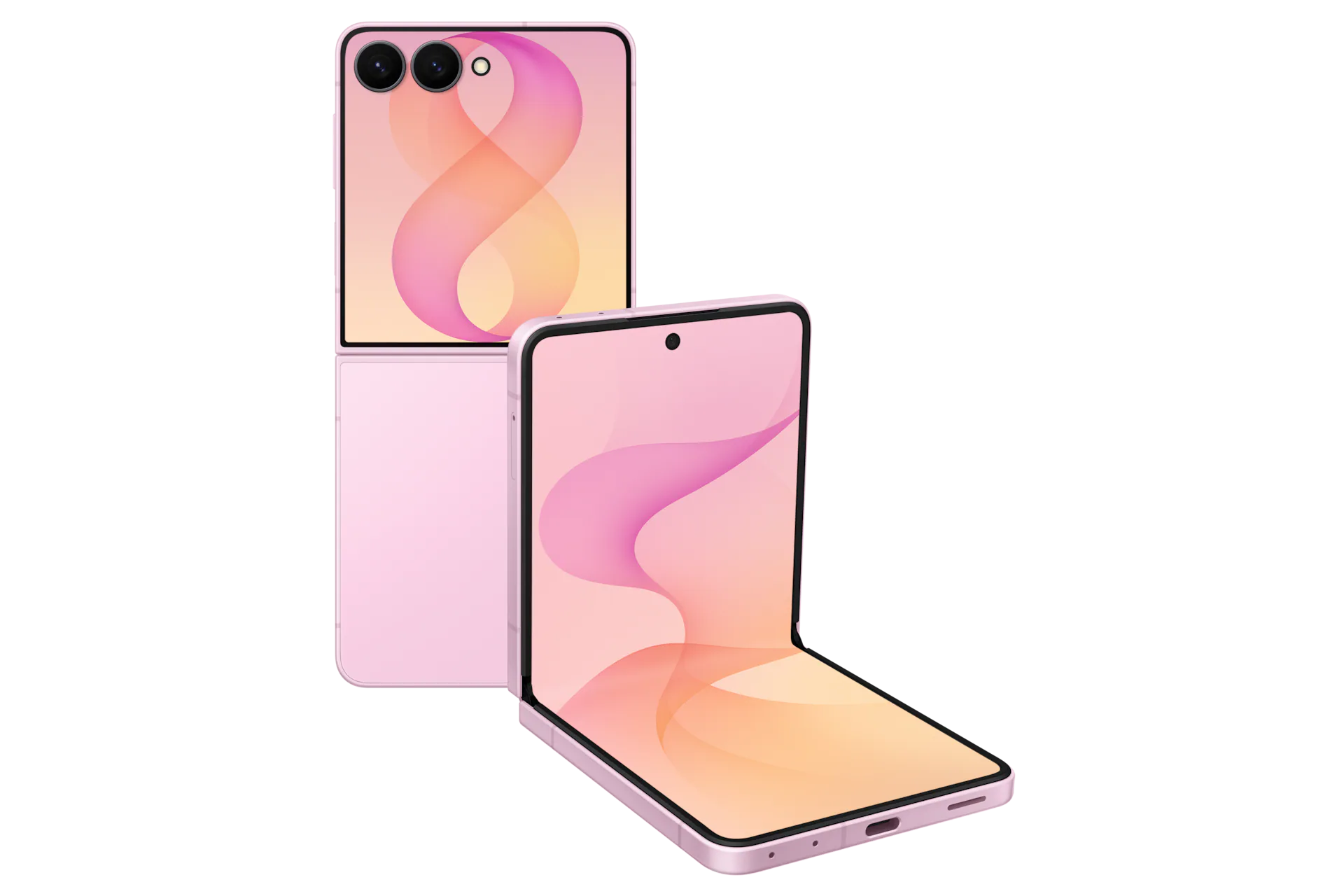
Samsung's Galaxy Z Flip 8 went on sale August 7, 2026, starting at $1,200 — a $100 bump over the Z Flip 7 — with hardware that The Verge describes as almost unchanged from last year. The phone is slightly thinner and lighter at 4.1 mm and 215 g, and ships in 256GB unlocked configurations in Graphite (SM-F776UZKAXAA) and Pink (SM-F776ULIAXAA) Samsung US. Samsung's official pages call it their thinnest and lightest Flip, with a customizable FlexWindow (the cover screen on the outside when the phone is folded), a 50 MP wide camera, and Galaxy AI integration Samsung US Samsung UK.
The real changes are in software, centered on that 4-inch cover screen. The Z Flip 8 can run full versions of every app without opening the phone. Swipe gestures manage the whole experience: swiping down from the top left shows notifications, swiping from the top right opens a cover-screen-optimized Quick Settings panel, and swiping up from the bottom brings up an app drawer The Verge.
That app drawer includes Samsung's own apps plus a Labs section with third-party options like Netflix and WhatsApp. Samsung has also embedded a prompt to install MultiStar, a module from the Good Lock customization suite that lets any app run on the cover screen — reducing the friction that previously made third-party cover-screen support a hassle The Verge.
Apps on the cover screen operate in three display modes: full-screen with the cameras blocking part of the interface, a square format that stops above the cameras, or a thin portrait layout with black bars on the sides. This flexibility handles the mismatch between standard phone app dimensions and the foldable's compact external display The Verge.
The Z Flip 8 launched alongside the Galaxy Z Fold 8 and Galaxy Watch 9 at Samsung's July 2026 Galaxy Unpacked event PCMag. Samsung is bundling a 50% discount on the LumaFusion video editing app with Z Flip 8 purchases, bringing it from $29.99 to $14.99, along with a 30-day free trial Samsung US. The company also highlights its Smart Switch data transfer app, which with One UI 9 on the eighth-generation Galaxy Z series helps move contacts, photos, videos, messages, apps, and settings from Android or iOS devices Samsung Global.
The Verge notes that the phone remains vulnerable to dust — a persistent limitation in the Flip lineup — and describes the overall hardware package as mostly a rehash of last year's model despite the $100 price increase. Battery life is reported as reliable.
The broader context here is the gap between Samsung's hardware cadence and its software investment. The cover-screen experience on the Z Flip 8 shows a meaningful step forward for the foldable form factor, where the external display shifts from a notification-and-widget surface to a fully functional computing environment. The MultiStar integration, in particular, signals Samsung's recognition that cover-screen app compatibility needs to be seamless rather than gated behind enthusiast tools.
The pricing trajectory, however, warrants attention. A $100 year-over-year increase on a device with near-identical hardware places the Z Flip 8 at $1,200, pushing the flip-style foldable further from impulse-purchase territory. The hardware stagnation, combined with the unresolved dust vulnerability, raises fair questions about whether the foldable category has reached a plateau in its mechanical engineering while software continues to advance. The Z Flip 8's value proposition rests almost entirely on whether the cover-screen software improvements justify the premium over both its predecessor and conventional slab phones. For the hardware alone, the case is difficult to make.


