Norway's King Haakon VIII Begins His Reign Amid Family Strain and National Mourning
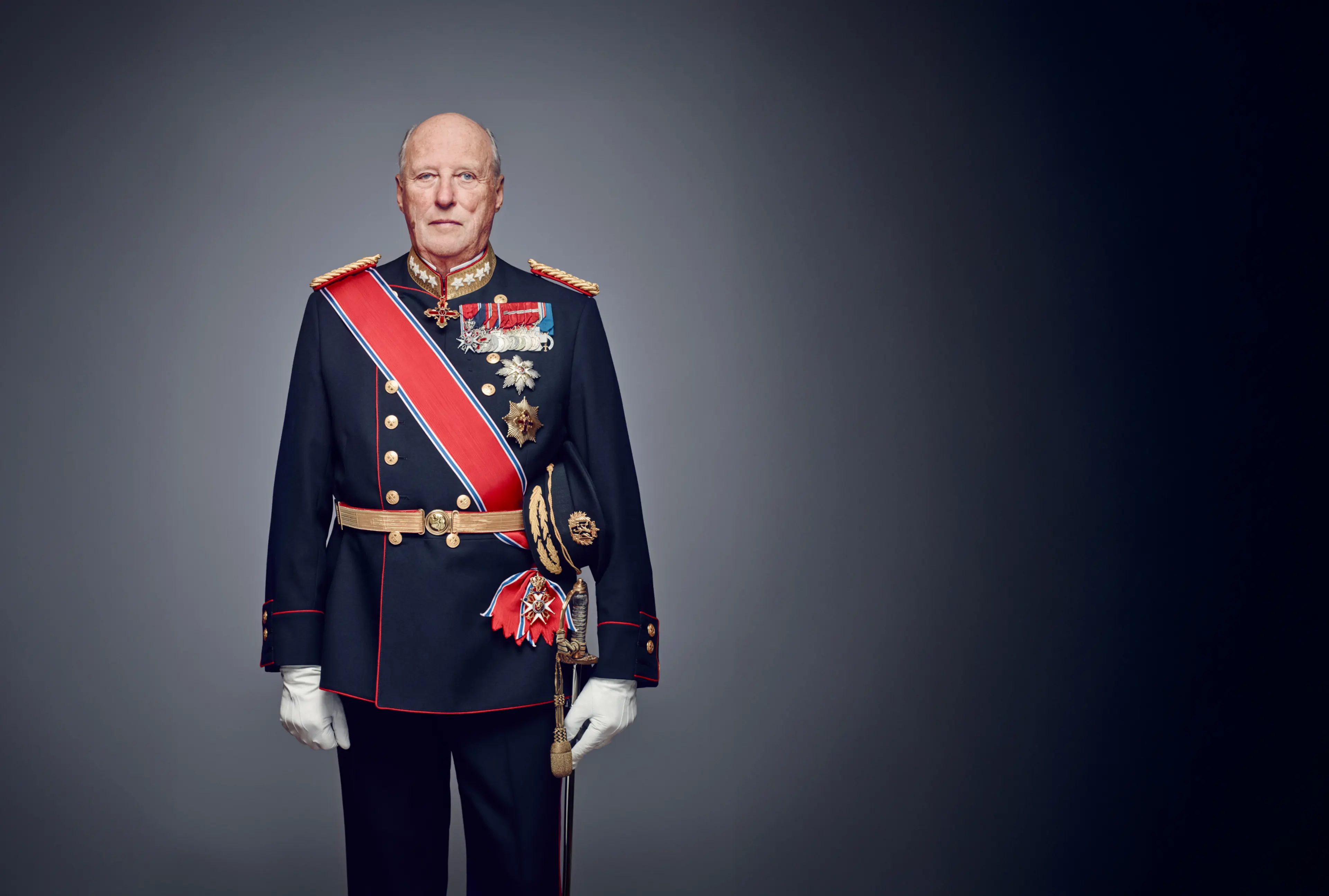
Norway's new King Haakon VIII delivered his first speech as monarch on 29 August 2026, honoring his father Harald V and setting out the vision for his reign on the same day he gave a memorial speech over his father's bier at the Royal Palace in Oslo. The address came hours after King Haakon and Crown Princess Ingrid Alexandra received Prime Minister Jonas Gahr Støre at the lying-in-state — the period when a deceased public figure's body is placed on view for mourners to pay respects. Earlier that day, Haakon held formal condolence meetings with the President of the Storting (Norway's parliament), the Chief Justice of the Supreme Court, and the Preses (presiding bishop) of the Church of Norway (Norwegian Royal Court).
King Harald V died on 28 August 2026 at 06:35 at Rikshospitalet in Oslo, aged 89. He had reigned for 35 years, having taken the throne on 17 January 1991. The Royal Court announced the death on its official website, expressing deep sorrow. His bier was brought from Rikshospitalet to the Royal Palace at 18:30 the same evening. An extraordinary Council of State — the formal meeting of the monarch with the government — was convened at the Royal Palace at midnight while the Storting was in session, following Norwegian government protocol for a monarch's passing (Norwegian Government). Prime Minister Jonas Gahr Støre said shortly after the death: "An era has ended. A new one begins. The king is dead. Long live the king." (Al Jazeera).
Haakon's accession comes after a difficult year for the Norwegian royal family. In his first speech, the new king acknowledged the strain directly: "Our family has experienced the importance of standing together in order to remain steadfast both within ourselves and for one another even during difficult times" (BBC). He said he, along with Princess Mette-Marit and Crown Princess Ingrid Alexandra, would "always strive to understand the life situations of different people." He also struck a broadly national note: "No one who lives in this country knows what we will face together, but what we do know is that we will stand by one another through both good days and difficult ones."
Reuters described Haakon as "the reluctant prince who became Norway's new king" in its coverage of the accession. On becoming king, Haakon said: "I can find meaning and joy within it, and I can try and be of help to others" (Reuters).
The family turmoil is not merely tonal background. Princess Mette-Marit publicly apologised after it was revealed she had maintained a three-year friendship with the late convicted sex offender Jeffrey Epstein. She also received a lung transplant after suffering from pulmonary fibrosis — a lung disease that causes scarring of lung tissue — since 2018; doctors will not declare her stable until next year (BBC).
Marius Borg Høiby, who is not a member of the royal family but was raised among them since age four when Haakon married his mother, was convicted in June of rape and other offences and sentenced to four years in prison. He is appealing. Princess Märtha Louise, Haakon's sister, courted controversy by remarrying an American self-styled shaman in 2024; their business activities ultimately led her to step back from royal duties (BBC).
Public support for the monarchy has felt the pressure. A poll for Norwegian newspaper Aftenposten earlier in the year suggested support had dropped from 72% in 2024 to 54% (BBC). That is a significant erosion for an institution that has historically enjoyed some of the highest approval ratings among European monarchies, though a majority still supports the crown.
Royal experts told the BBC that the new king was respected and hard-working, and believed he could move forward despite the challenges facing his family (BBC). A memorial service is scheduled for 30 August 2026 at 11:00 in Asker church, to be attended by King Haakon, Crown Princess Ingrid Alexandra, Queen Sonja, and Prince Sverre Magnus (Norwegian Royal Court).
The broader context here is one of institutional transition under unusual strain. Haakon VIII inherits a monarchy that is still broadly supported but visibly frayed, with a consort in fragile health, a close family member imprisoned pending appeal, and a sister who has already stepped away from royal duties. The new king's speech was carefully calibrated to acknowledge hardship without being consumed by it, framing resilience as a family and national virtue alike. How effectively that framing translates into sustained public confidence will depend less on rhetoric than on outcomes: Mette-Marit's medical prognosis, the resolution of Høiby's appeal, and whether the 54% approval figure stabilises or continues to slide. For now, the protocol of transition proceeds with precision, and Norway's constitutional machinery functions as designed.


