A Light Bulb That Holds and Shares Books: How the Banned Book Library Works
A project called the Banned Book Library embeds full text books into a Wi-Fi-enabled smart light bulb and broadcasts them wirelessly to any device in range, according to Gigazine (published 16 June 2026).
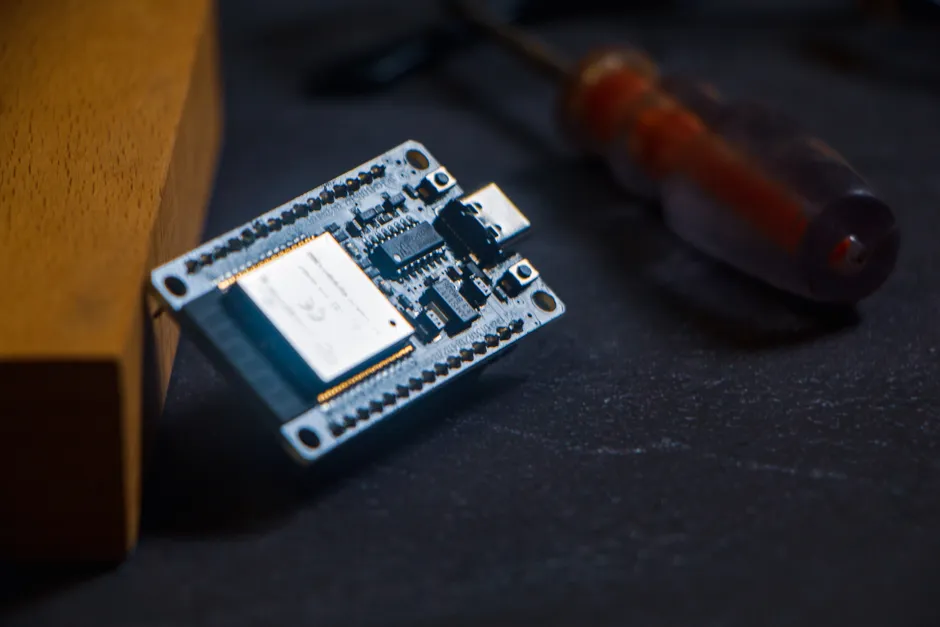
The hardware is an ESP32-C3 microcontroller—a single-core processor from Espressif that is popular in maker communities because it includes built-in Wi-Fi and Bluetooth wireless radios. The whole setup fits inside a standard smart bulb and has 4 MB of onboard memory. That is tight, but workable: a typical novel takes up 500 KB to 1 MB of space, so one bulb can hold several books at once. The bulb also supports over-the-air updates, meaning new content can be added remotely without physically accessing the device.
The intent is clear from the design. The project lets individuals load titles that matter to them and carry the bulb from place to place—treating it as portable infrastructure for books that may be legally restricted or hard to find in their location.
Technically, the architecture is simple. The ESP32-C3 runs a lightweight web server; any nearby device with Wi-Fi connects to the bulb's signal and retrieves books through a web browser, with no app needed. The bulb's exterior provides camouflage. Because the bulb can receive updates over the internet, its library contents can change after it ships, which is worth understanding because it also means the collection is mutable rather than fixed.
An ESP32-C3 module costs only a few dollars in bulk, and complete smart bulb kits using similar chips are already mass-produced for the consumer market. The technical barrier to copying or spreading this project is low—a factual note about cost and parts, not a judgment about what anyone should do.
There is a longer history of technologists embedding text into inconspicuous objects: microfilm hidden in everyday items, data encoded into DNA strands, books distributed through mesh networks on recycled Android phones. The Banned Book Library continues this tradition—using cheap wireless chips in ways their designers never formally planned for, but for which they work well.
One constraint worth flagging: the 4 MB memory limit is the ceiling on how many books fit in a single bulb, and it does not increase if you deploy multiple bulbs in the same space. Each bulb is its own independent device, not a shared storage system. To fit a larger collection, you would need to compress texts more, store only excerpts, or link multiple bulbs together—none of which is technically hard, but all of which require deliberate choices that the current public documentation does not seem to address.
The broader context is an active and, in some places, intensifying debate over which books belong in public libraries, school collections, and digital bookstores. The Banned Book Library does not settle that argument. What it does do is lower the technical and financial cost of personal text preservation to roughly the price of a light fitting—and hand all the control to whoever plugs it in.