Shooting at a Swiss Rave Leaves One Dead and Five Injured

A shooting at a rave held at a horse racing track in the northern Swiss canton of Aargau killed one person and left five injured early on Sunday morning, August 30, 2026, prompting an armed police manhunt across the town of Aarau (ABC News).
The victim killed in the shooting was a 22-year-old woman, according to Reuters. Five additional people were wounded, some of them seriously.
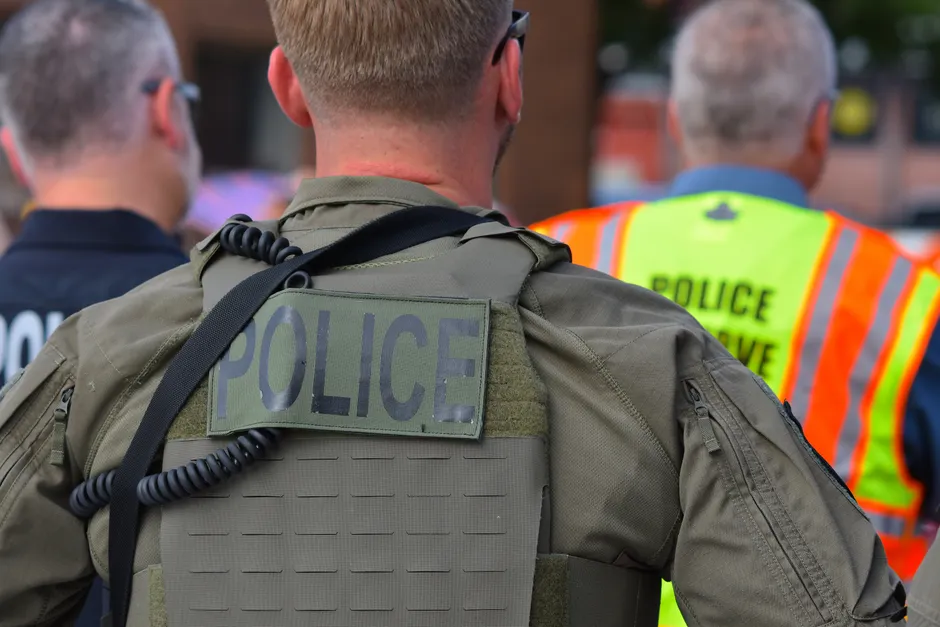
Armed police officers patrolled the streets of Aarau, the capital of Aargau canton, following the incident (ABC News). Authorities launched a manhunt for the perpetrator or perpetrators, who remained at large according to police statements. The rave had been held at a horse racing track in northern Switzerland (CNN).
The Associated Press confirmed the basic parameters of the incident: one fatality, five injuries, and the location in the canton of Aargau (AP News). No further details about the suspect, the weapon used, or a potential motive have been released by authorities at this stage of the investigation.
The broader context here is Switzerland's distinctive relationship with firearms. The country maintains one of the highest rates of civilian gun ownership in Europe, a legacy of its militia-based military system, which requires many former servicemen to keep their service weapons at home. The legal framework is comparatively permissive for licensed owners, yet Switzerland has historically recorded lower rates of gun homicide than many of its European neighbors. Mass casualty shootings at public entertainment venues are rare.
The comparative rarity of gun violence at large-scale music events in Switzerland adds to the shock. A rave at a horse racing track implies a venue with significant open-air capacity, temporary infrastructure, and crowd dynamics that present specific challenges for security screening and emergency response. The incident also follows a pattern seen across European nightlife and festival settings, where open-access or lightly controlled entry points have been exploited for violent acts.
Several factors will shape how this investigation unfolds and what it means for Swiss security policy. The speed and outcome of the manhunt will be critical: whether the suspect is apprehended quickly, and what the motive turns out to be, will influence both public anxiety levels and any potential legislative or regulatory response. If the shooting proves to involve a legally held firearm, the debate over Switzerland's militia-related gun ownership practices is likely to intensify, both domestically and within broader European Union firearms policy discussions. If the weapon was obtained illegally, attention will shift toward trafficking and enforcement gaps.
The severity of the injuries among the five wounded also carries practical implications. The fact that some were seriously wounded, as reported by Reuters, suggests a firearm with substantial lethality rather than a warning shot or low-caliber weapon. That detail will factor into charging decisions and risk assessments for future public events in the region.
The canton of Aargau police, who are leading the investigation, have not yet released information about the number of shooters, the type of weapon used, or whether the attack was targeted or indiscriminate. The immediate priority for law enforcement remains locating the suspect. The key variables to monitor are the manhunt's outcome, any disclosure of motive, and whether Swiss authorities treat this as an isolated criminal act or an incident with broader security implications that could prompt policy review.