Trump to Refill US Oil Reserve with Venezuelan Crude Under New 25-Year Deal
President Donald Trump announced on August 30, 2026 that oil from the recently concluded US-Venezuela agreement will be used to refill the US Strategic Petroleum Reserve, with what he called a "topping out" process beginning shortly. In a post on Truth Social, Trump described the Venezuelan oil as a "Gift from Venezuela to the People of the United States" and said the reserve had been made "virtually" empty under former President Joe Biden Al Jazeera.
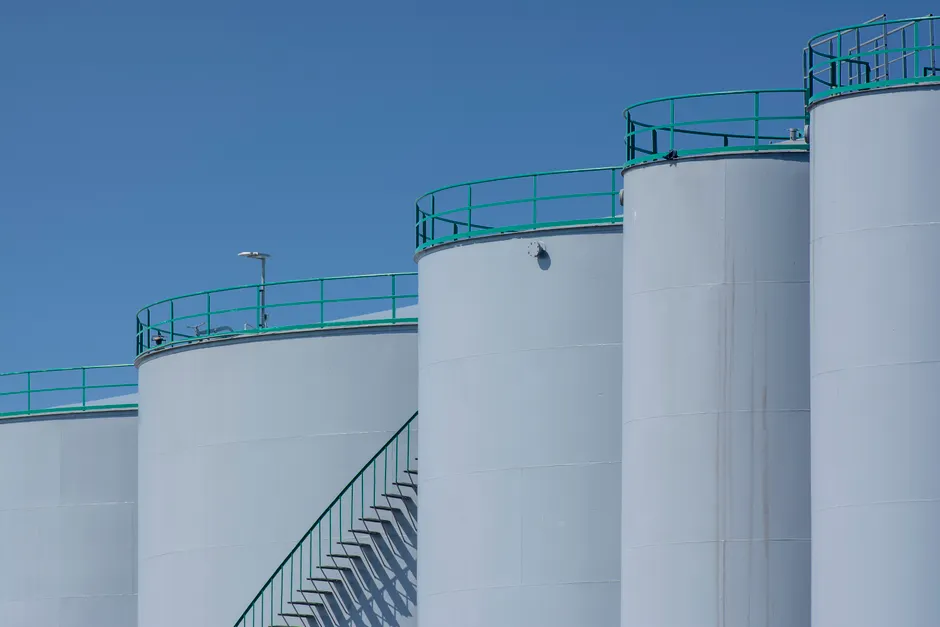
The Strategic Petroleum Reserve, or SPR, is the world's largest emergency stockpile of crude oil, stored in underground salt caverns along the US Gulf Coast. Created in the 1970s after Arab oil embargoes caused fuel shortages, it exists as a buffer against supply disruptions. As of August 21, the SPR held approximately 290 million barrels, near a 44-year low, following drawdowns under both the Biden and Trump administrations. Trump has framed replenishment as a core energy-security priority since his January 2025 inaugural address, in which he pledged to "fill the strategic reserves back up to the top." A June 2025 White House release similarly cited the SPR refill as a component of its domestic energy agenda Al Jazeera; White House; White House.
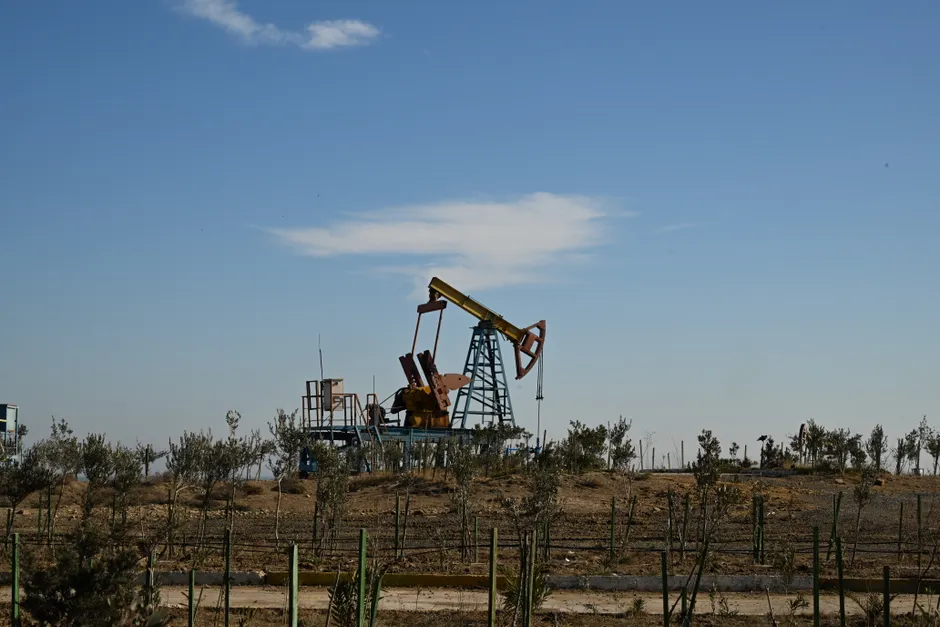
The broader US-Venezuela oil agreement, described as "historic" by Washington, was announced on August 28 and entails development of 17 strategic oilfields, including eight greenfield blocks — areas where no previous drilling has taken place. The initial production target is 1.5 million barrels per day. Venezuela's interim President Delcy Rodriguez said the deal spans 25 years and covers 65 billion barrels of Venezuelan oil Al Jazeera; Reuters.
Trump claimed the pact will more than double American oil reserves and increase overall supply. He also stated that the United States has already taken 50 million barrels of oil from Venezuela under the new arrangement. Venezuelan interim authorities agreed to transfer 30 to 50 million barrels of high-quality, previously sanctioned crude to the United States. Sanctions, in this context, are government-imposed restrictions that had barred Venezuela from selling its oil to US buyers — a tool used to pressure the Maduro government CNN via Facebook; CBS via Facebook; CNN via KDRV.
Under the financial terms, $19 from every barrel produced and sold to the US will flow to Caracas, an arrangement potentially worth $209 billion per year to Venezuela depending on oil prices. Rodriguez said the agreement allows Venezuela to develop its oil industry while preserving "ownership of and sovereignty" of its resources Al Jazeera.
Rodriguez assumed the role of interim president after US special forces abducted then-President Nicolas Maduro in January 2026, after which Venezuela's Supreme Court transferred leadership to Rodriguez. The political transition in Caracas opened the door for a dramatic reorientation of US-Venezuela energy relations, from a sanctions regime that had severely restricted Venezuelan crude exports to a long-term supply and development framework Al Jazeera.
The trajectory from sanctions to partnership was swift. As recently as January 16, 2026, a US State Department spokesperson said the United States was not considering using Venezuelan oil to refill the SPR and that no oil exchange was planned. By August 27, Trump administration officials were working to secure long-term access to a portion of Venezuela's crude reserves. One day later, Trump publicly announced the agreement Reuters; Reuters; Reuters.
The deal's scale raises several strategic considerations. A 25-year framework granting US access to 65 billion barrels of Venezuelan crude, if realized at the projected 1.5 million barrels per day, would place Venezuela among the largest long-term external supply sources for US energy security. The arrangement also effectively transforms the SPR's replenishment model: rather than relying solely on domestic purchases, the US would channel foreign-origin crude into a reserve designed for domestic supply emergencies. That conflation of foreign supply integration with emergency stockpiling is without recent precedent in SPR management.
For Venezuela, the revenue terms are substantial. A potential $209 billion annually, contingent on production volumes and global prices, would be a transformative fiscal infusion for an economy that has been under varying degrees of US oil sanctions. The preservation of sovereign ownership, as emphasized by Rodriguez, is politically critical for Caracas, though the degree of operational control retained by US entities across the 17 oilfields and 8 greenfield blocks will likely determine whether that sovereignty is primarily legal or also practical.
The broader context here matters for understanding the political framing. Trump's description of the oil as a "Gift from Venezuela" obscures the deal's commercial structure. The $19-per-barrel flow to Caracas, combined with US control over development of the oilfields, constitutes a revenue-sharing arrangement rather than a transfer without consideration. The political utility of the "gift" language is apparent: it links a foreign policy operation — the abduction of Maduro and installation of Rodriguez — to a tangible domestic benefit in the form of lower gas prices and a refilled reserve, all ahead of the midterm political cycle.
There are also reasons to scrutinize the production projections. The per-barrel revenue figure for Venezuela and the claim of doubling US reserves both depend on sustained production at levels Venezuela has not maintained in over a decade. The initial 1.5 million barrels per day target, while achievable given Venezuela's proven reserves, requires capital investment, infrastructure rehabilitation, and political stability that have all been in short supply. The 25-year horizon provides time, but the deal's early terms, particularly the 30 to 50 million barrels of previously sanctioned crude already transferred, suggest a phased approach in which immediate volumes come from existing inventory while greenfield development ramps over years.
How this arrangement interacts with OPEC production dynamics, Russian and Iranian energy interests in Venezuela, and the legal frameworks governing the SPR's composition — which has historically favored specific crude grades for logistical reasons — will shape whether the agreement delivers on its stated ambitions or becomes another chapter in the long, complicated history of US-Venezuela energy entanglement.