Turkmenistan Begins Fixing Its Methane Mega-Leaks — A First for a Top Super-Emitter
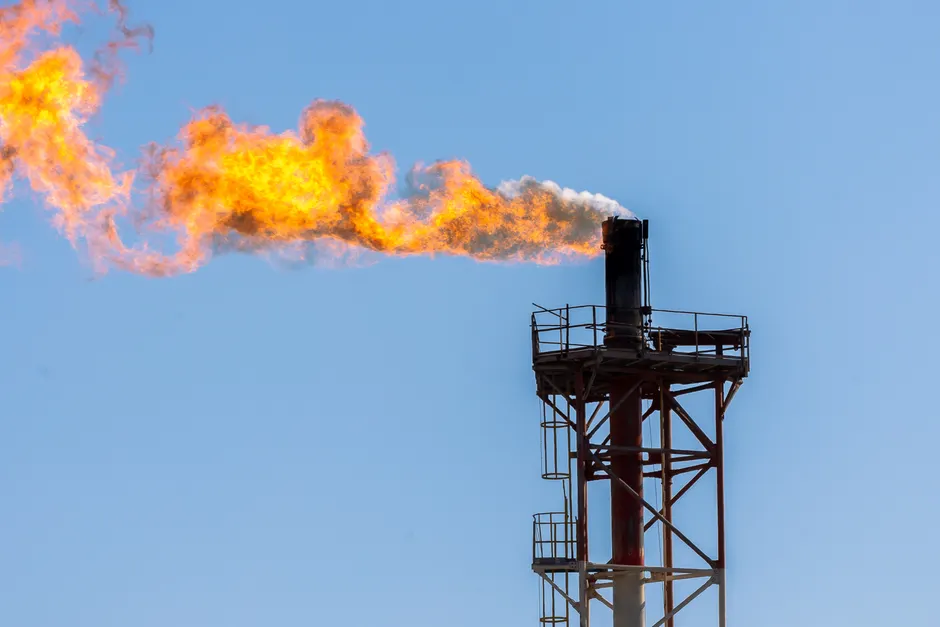
Turkmenistan has started plugging major methane leaks from its ageing oil and gas infrastructure, according to UN data reported on 31 August 2026 by The Guardian. The country has repaired corroded pipes, faulty wells, and failing flares to halt eight leaks — the first confirmed on-the-ground fixes in a nation that has topped global super-emitter rankings for years.
A "super-emitter" is a facility or site that releases methane at far higher rates than normal operations would. These events can pour tonnes of methane into the atmosphere per hour, making them outsized contributors to near-term warming.
The progress, though modest, is tied to the UN Environment Programme's Methane Alert and Response System (MARS), the first publicly available satellite-based system that detects methane leaks and notifies the responsible governments UNEP. Using 35 satellite instruments to identify human-caused methane releases, MARS sent 192 alerts to Turkmenistan over the last year UNEP. Turkmenistan responded to roughly 20% of those alerts with ground-level information and potential repair plans The Guardian.
Turkmenistan's engagement stands out when compared with other major emitters. The United States received the second-highest number of MARS alerts at 138 but responded to none and fixed no leaks over the last year. Iran, Russia, and China also failed to respond to any MARS methane alerts The Guardian.
Mexico has taken a different approach. It responded to all 23 MARS alerts in the past year but has yet to complete a single fix. The worst leak detected globally by MARS was in Mexico's offshore oil and gas industry, releasing an estimated 37 tonnes of methane per hour — roughly equivalent to the emissions of more than 7 million SUVs The Guardian.
Methane is a greenhouse gas that traps about 80 times more heat than carbon dioxide over a 20-year window, and it accounts for approximately 25% of global heating The Guardian. The fossil fuel sector produces around 35% of methane emissions from human activity, according to the IEA's Global Methane Tracker 2026 IEA. Because methane is so potent but relatively short-lived in the atmosphere, cutting super-emitter events is one of the fastest available levers for slowing near-term warming.
Turkmenistan's outsized role in this problem has been documented for years. In March 2023, The Guardian reported that Turkmenistan was the worst country for methane mega-leaks. Satellite data produced by Kayrros for The Guardian later showed that the country's western fossil fuel field on the Caspian coast alone leaked 2.6 million tonnes of methane The Guardian. By 2025, 15 of the 25 worst methane leaks from oil and gas facilities globally were in Turkmenistan The Guardian. In the last six months alone, Turkmenistan accounted for three of the six worst leaks detected by MARS and nine of the top 50 The Guardian.
The broader context here is one of uneven institutional follow-through. MARS provides the detection architecture, and the UN's International Methane Emissions Observatory (IMEO) confirmed as early as 8 January 2025 that repairs at one leaking site had worked, with satellites no longer picking up emissions there UNEP. In another documented case, a MARS alert flagged a leak releasing an estimated 4.2 tonnes of methane per hour, prompting an individual named Rivera to notify the operator quickly UNEP. The system functions when actors on the ground choose to act.
Regional dynamics add another layer. In 2024, Azerbaijan's state oil company launched an effort to almost entirely eliminate methane emissions within a decade UNEP. Turkmenistan's initial fixes, however limited, suggest a similar path may be possible in Central Asia, where ageing Soviet-era infrastructure has long been a primary driver of unintentional super-emitter events.
The aggregate numbers remain sobering. Eight repairs against 192 alerts represent an early-stage compliance rate. Meghan Demeter, the programme manager of MARS, oversees a system that has successfully identified the worst global emitters but still lacks enforcement mechanisms to compel action from states that ignore notifications entirely The Guardian. The gap between detection and remediation is the core challenge. Turkmenistan's response indicates that gap can narrow, but the silence from Washington, Moscow, Beijing, and Tehran points to the limits of voluntary, transparency-based frameworks in addressing a pollutant responsible for a quarter of global heating.


