Former Israeli Generals Call Settler Violence 'Jewish Terrorism' — and Warn It Threatens Israel Itself
A growing number of former Israeli generals are accusing West Bank settlers of committing ethnic cleansing — the deliberate forced removal of a specific population from a territory — with support from the Israeli government, according to a New York Times report published on August 31, 2026. The article, titled "These Generals Fought for Israel. Now They See 'Jewish Terrorism' as the Threat," quotes retired military figures identifying settler violence, which they label "Jewish terrorism," as a primary security threat to the state.
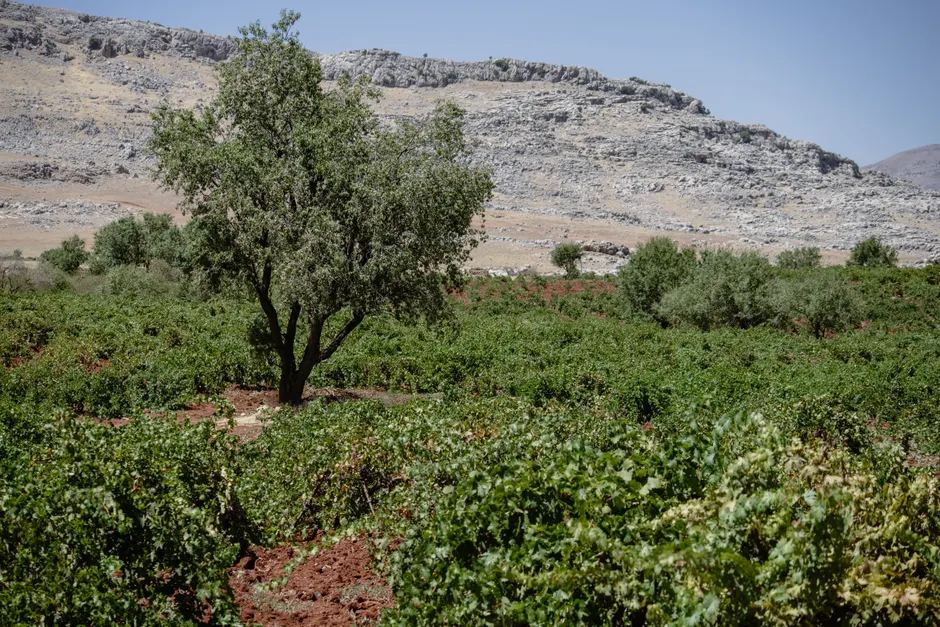
The Times illustrates the daily friction on the ground through a scene of an Israeli settler herding sheep in the West Bank while recording Palestinian villagers as they filmed him. The article references the Hamas-led terrorist attacks as the contextual backdrop for the reported escalation of developments in the West Bank. The New York Times
The generals' allegations, as reported by the Times, align with findings published by Amnesty International in June 2026. The human rights organization's research report accuses Israel of carrying out an ethnic cleansing campaign targeting Palestinian Bedouin and herding communities in the West Bank. Amnesty International
Amnesty's report asserts that the Israeli government is deliberately trying to annex Palestinian territory in the occupied West Bank — that is, to formally claim sovereignty over land it has controlled militarily since 1967 — and is using war crimes to accelerate its annexation agenda and settlement expansion. NPR Al Jazeera
The framing of settler violence as a strategic threat by former military commanders carries particular institutional weight. These are figures who have spent their careers managing Israel's security doctrine. Their identification of settler activity as "Jewish terrorism" mirrors language already used within the Israeli defense establishment. In June 2023, Israel described settler rampages as "nationalist terrorism," and the United States said it expected accountability for settler violence in the occupied West Bank. Reuters
The June 2023 discussions between Israeli and Palestinian ministers included an Israeli pledge to crack down on settler violence. However, the far-right Jewish Power party accused Prime Minister Benjamin Netanyahu of being weak on terrorism in the same period. Reuters Reuters
The tension between security policy and political factions is not new. In March 2023, Israel arrested suspects in a settler rampage in and around Huwara, a Palestinian village in the West Bank, which an Israeli general described as a "pogrom" — a violent mob attack aimed at driving out a particular group. That same month, the United States described an Israeli minister's call to "erase" a Palestinian village as incitement to violence. Reuters Reuters
In November 2023, Reuters reported that increasing West Bank settler violence worried Israel's allies and risked a dangerous escalation of the conflict, with "settler terrorism" cited as a concern. Reuters
The historical precedent for senior Israeli figures denouncing settler terrorism extends back decades. In May 1984, The New York Times reported that Israeli Prime Minister Yitzhak Shamir denounced Jewish settlers who were said to have confessed to acts of terrorism. In June 2024, The New York Times published an opinion piece titled "A Message From the West Bank: 'We Are Coming...'" that mentioned a terror attack by Israeli extremist settlers. The author of that piece noted that Israel regards him as a terrorist while he favors a two-state solution. The New York Times The New York Times
The broader context here is one of converging pressures. Amnesty International's June 2026 ethnic cleansing allegations and the August 2026 testimony of former Israeli generals bring two very different kinds of authority — an international human rights framework and internal military credibility — to the same basic claim: that settler violence in the West Bank is not spontaneous but enabled, or at least tolerated, by the state. The pressure on the Israeli government to respond to its own former security leadership and to the international community's accusations of war crimes raises questions about future diplomatic and military policy in the West Bank that go beyond any single news cycle.