Green Party Leader Zack Polanski to Contest Starmer's Former Seat, Framing By-Election as a Referendum on 'Rip-off Britain'
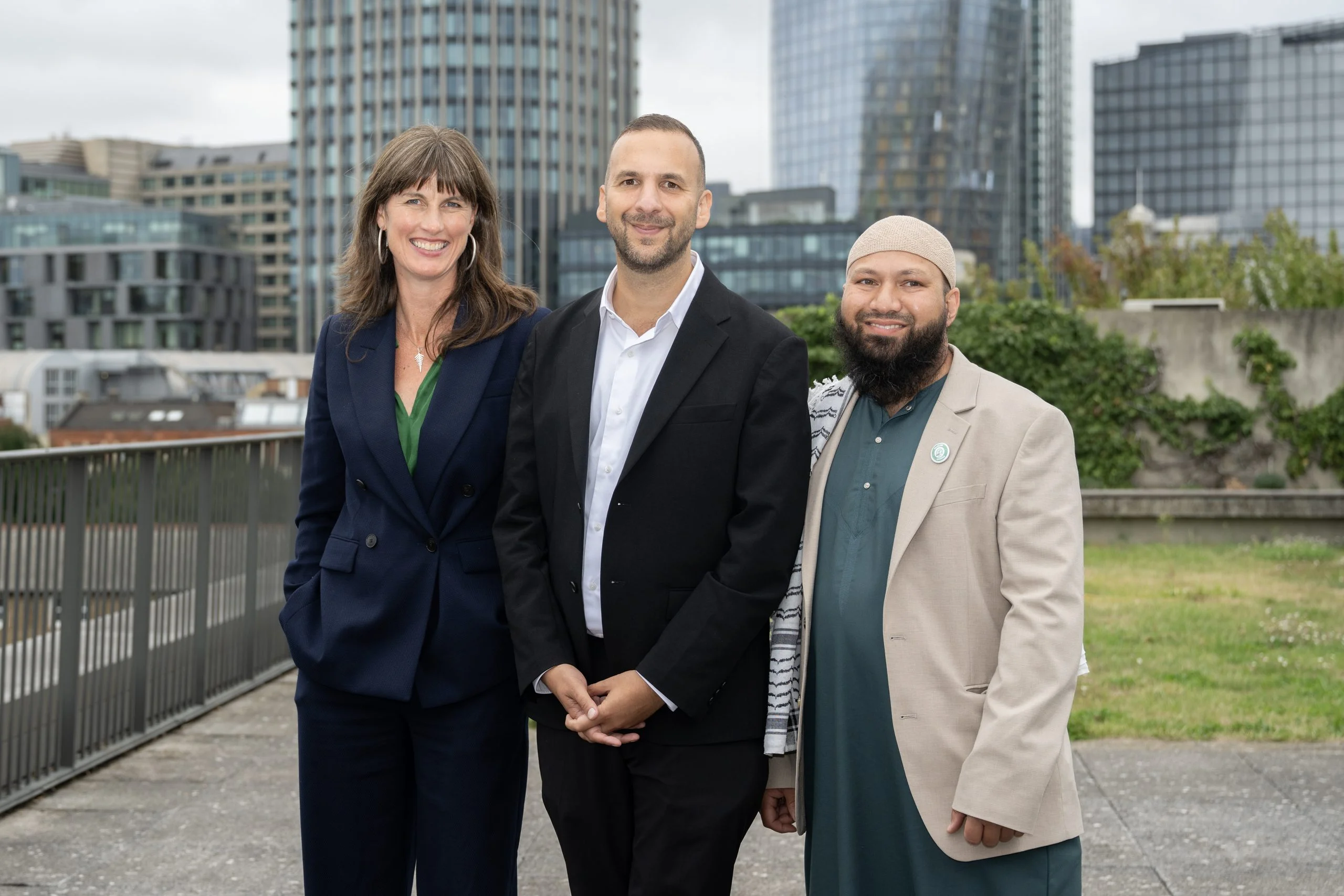
Green Party leader Zack Polanski has confirmed he will stand in the by-election triggered by Keir Starmer's resignation as MP for Holborn and St Pancras, calling the contest a "referendum on ending Rip-off Britain" (The Guardian, 3 September 2026).
A by-election is a vote held to fill a single parliamentary seat that has become vacant between general elections. In this case, the seat opened up when Starmer stepped down as MP for Holborn and St Pancras, a constituency he held as Labour leader and then as Prime Minister.
Green Party members selected Polanski as their candidate for the London seat (The Guardian, 3 September 2026). He had been seen as the favourite to contest the constituency. His announcement, made on 2 September via the Green Party's website, positions the by-election as a test of public appetite for the party's cost-of-living platform rather than a conventional constituency fight (Green Party, 2 September 2026).
Polanski brings considerable political profile to the race. He has served as Deputy Leader of the Green Party of England and Wales since 2022 and sits on the London Assembly, where he currently holds the position of Chair (Green Party). The London Assembly scrutinises the Mayor of London and investigates issues affecting the capital. His combination of party leadership and Assembly tenure gives him the highest political profile of any Green candidate to contest a Westminster seat in recent memory.
The vacancy in a previously safe Labour seat creates an opening that the Greens appear intent on exploiting, not necessarily to win outright but to show momentum in a high-profile, media-saturated contest. A "safe seat" is one where a particular party historically wins by a large margin, making it very difficult for rivals to challenge.
The "Rip-off Britain" framing is deliberate. By casting the by-election as a referendum on consumer and household costs, Polanski is attempting to shift the terms of debate away from party loyalty and toward economic grievance. The Green Party has been building its organisational capacity to support exactly this kind of argument. In March 2026, the party announced it had surpassed 200,000 members, a milestone that signals a growing activist base and increased financial resources for campaigns (Green Party, 1 March 2026).
The party's broader electoral strategy extends beyond a single seat. In Greater Manchester, Green candidate Geraldine Coggins has put forward a 10-year plan for 20,000 genuinely affordable homes, proposing a new publicly owned provider called Homes for Greater Manchester to build and buy homes (Green Party, 28 May 2024). That plan, announced ahead of the Greater Manchester mayoral election scheduled for 30 July, signals the party's intent to contest metro-mayoral races with detailed policy platforms centered on housing and public ownership.
The broader context here is that the Holborn and St Pancras by-election sits at the intersection of two Green Party objectives: converting membership growth into electoral presence, and embedding cost-of-living and housing arguments at the centre of British political discourse. Polanski's decision to personally contest the seat, rather than deploy a lower-profile candidate, signals confidence that the party can compete for attention in a constituency previously anchored by a Labour Prime Minister.
Several factors will shape whether the Green framing holds. The composition of the by-election field, the Labour Party's choice of candidate, and the extent to which other parties engage with the cost-of-living agenda will all influence whether voters interpret the contest as Polanski describes it. The "referendum" label is a strategic claim, not an established fact; its resonance depends on whether the campaign actually pivots around consumer pricing and household costs rather than reverting to partisan loyalties.
What is clear is that the Greens are investing their most senior political asset in a contest designed to maximise visibility. Polanski's Assembly chairmanship, his party leadership, and a membership base now exceeding 200,000 give him the infrastructure to run a credible campaign. Whether that translates into a competitive vote share in a seat historically dominated by Labour is the question the by-election will answer.


