Qualcomm's 40 AI Wearable Designs Signal a Shift From Exploratory to Real Engineering
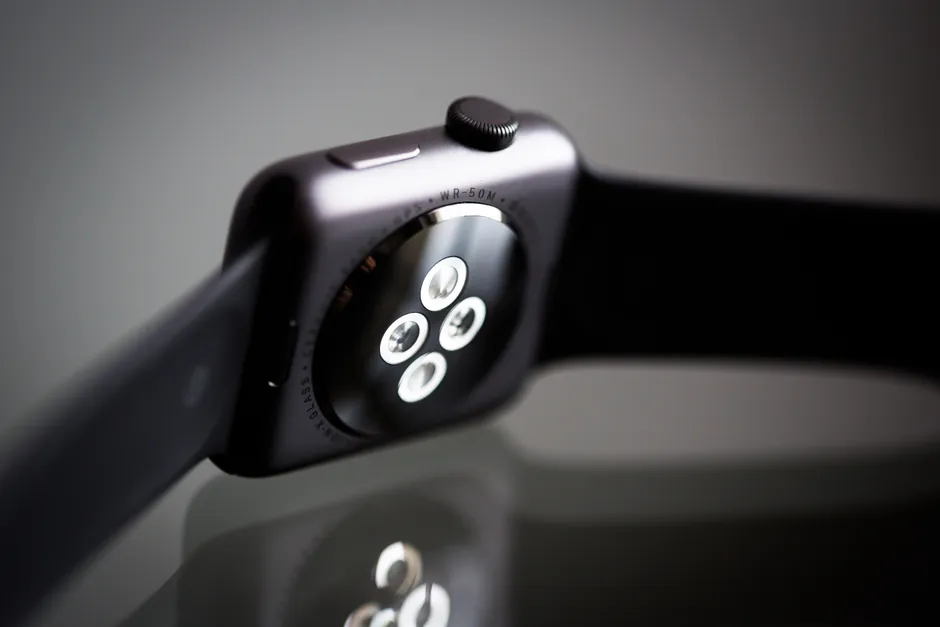
Qualcomm CEO Cristiano Amon disclosed on June 16, 2026, that the company is actively working with partners on more than 40 designs for AI-powered wearable devices, spanning form factors including jewelry, camera-equipped earbuds, pins, and smartwatches, according to CNBC.
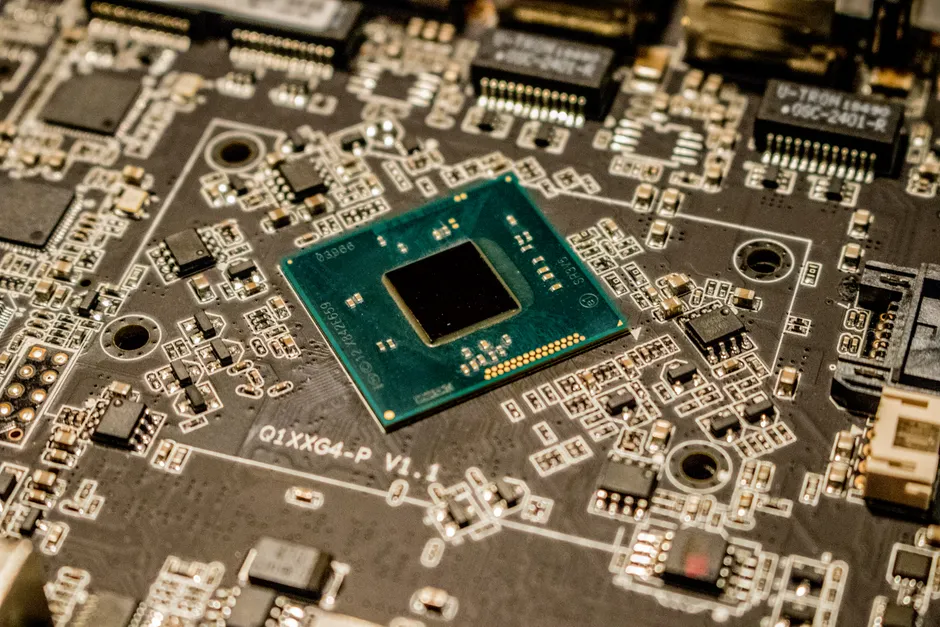
The range of those form factors deserves attention. Earbuds with cameras and wearable pins are not new territory — several startups have explored them, some with public failures. What Qualcomm brings is proven silicon performance. In March 2025, Qualcomm detailed its edge AI capabilities at Mobile World Congress: on-device processing capable of running AI models directly on the wearable, delivering 40 TOPS (trillions of operations per second) of computational power, per Qualcomm's own release.
40 TOPS in a wearable's power envelope crosses a meaningful threshold. It is enough capacity to run lightweight AI models that can process vision, audio, and text all at once — without sending data back to the cloud for processing on every task. For always-on wearables, this matters acutely. Constant cloud connectivity drains battery, increases latency (the time it takes to get an answer), and raises privacy concerns. Processing data locally on the device sidesteps another category of risk: regulatory exposure in the EU and several US states, which increasingly scrutinize biometric data traveling to remote servers.
The 40-design figure carries its own signal. Qualcomm's historical strength has not been making end products but creating the silicon platform that others build on — a playbook refined over decades through modem and processor licensing in the phone industry. Forty concurrent designs suggest Qualcomm is running the same strategy with Snapdragon: flood a broad partner ecosystem with capable silicon and let the market surface winning form factors naturally, rather than betting everything on a single reference design.
That said, wearables have a track record of anticipated breakthroughs that arrived slower or in different forms than expected. Smartwatches spent nearly a decade finding their footing, ultimately anchoring on health monitoring rather than the smartphone-companion role they were originally pitched for. Camera-equipped face-worn devices have repeatedly failed to reach mainstream adoption despite attempts across different price points and brands.
The variable this time is the agent layer — AI agents capable of understanding context and handling tasks like scheduling, reading a room, or answering ambient questions. Always-on wearables now have a sharper value proposition than prior generations offered at launch. The hardware stops asking the vague question "what does a wrist computer do?" and starts asking the more concrete one: will people accept an always-present, lightweight AI assistant on their body? That remains a significant adoption hurdle — both behaviorally and socially — but it is narrower and more testable than before.
Qualcomm's position here rests on structural advantage rather than speculation. The company already controls the connectivity and inference silicon any serious wearable maker will need. Its early-2025 announcements suggest the underlying technology has been in development well ahead of this public pipeline disclosure. The 40-plus designs are almost certainly at different stages — some near production, others exploratory — but the sheer volume tells you the ecosystem has moved past blue-sky conversations into committed engineering work.
Whether any single device in that pipeline becomes a breakout hit remains genuinely uncertain. But the silicon platform supporting them is already shipping in adjacent product categories — smartphones, tablets, connected devices — which removes one traditional risk: that the processing power won't exist when the market is ready. Here, the processing power already exists. The market is what the ecosystem is still testing.