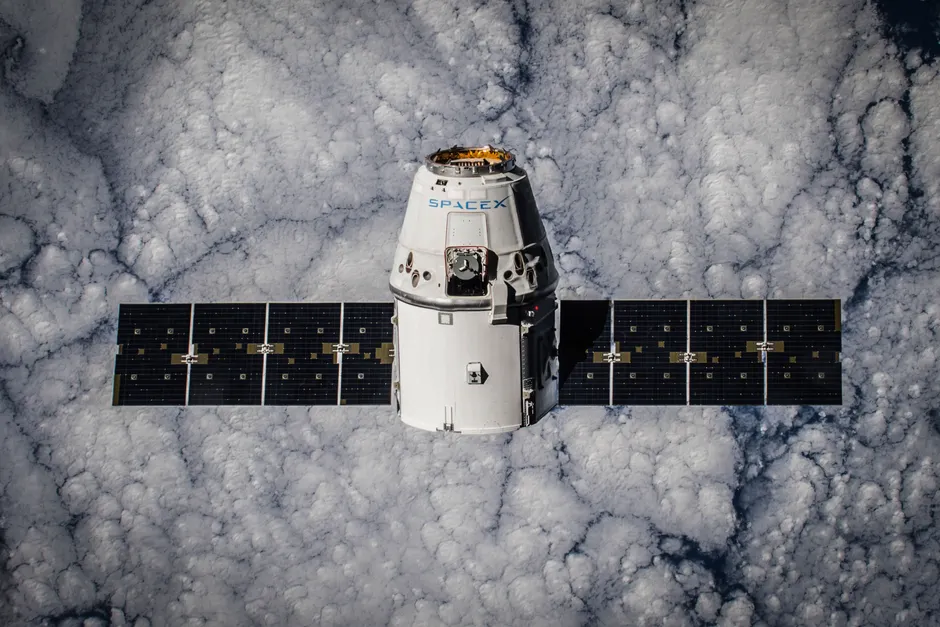
SpaceX Debuts Above $160, Hitting $2.1 Trillion Valuation
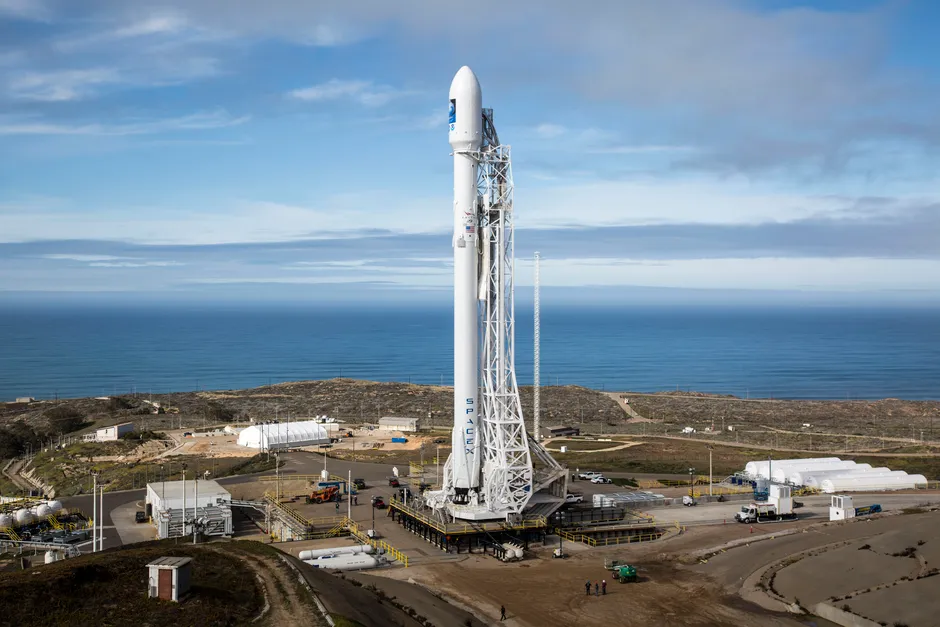
SpaceX shares closed at $160.95 on the company's first day of trading on the Nasdaq, pushing its market valuation past $2.1 trillion — well above the $1.75 trillion implied by its $135-per-share IPO pricing, according to Reuters.
The closing price represents a roughly 19 percent premium over the IPO offer. SpaceX had initially planned to raise $7.5 billion at $135 per share, already one of the largest public offerings on record. Day-one trading moved the company into a category occupied by only a handful of publicly traded entities worldwide.
At $2.1 trillion, SpaceX now sits alongside — and in some measures above — the largest technology incumbents by market capitalization. That valuation is notable given the nature of SpaceX's revenue: launch services, Starlink broadband subscriptions, and a growing portfolio of government and defense contracts. Unlike pure software companies, SpaceX's business is capital-intensive. Each Falcon 9 mission, each Starship development phase, and each satellite constellation refresh requires large-scale physical manufacturing.
The market is essentially answering a conditional question at this price: what if Starlink becomes the primary connectivity layer for underserved and mobile markets worldwide, and what if Starship achieves the reusability economics SpaceX has claimed it will reach. These are substantial assumptions embedded in the stock price.
One structural point worth noting: SpaceX maintained a dual-class share arrangement through the IPO, which preserves Elon Musk's effective control over major strategic decisions. Public investors at the IPO and in secondary trading gain economic exposure to the company, not voting influence — a distinction that matters more when a single major government contract or a launch failure can substantially shift near-term performance.
The timing also reflects a competitive landscape shift. Launch cadence from competitors like Rocket Lab and United Launch Alliance has accelerated, and international programs — particularly from China's commercial launch sector — have advanced faster than many Western analysts expected five years ago. SpaceX remains dominant in orbital launch when measured by payload mass delivered to orbit, but competitive intensity has increased since its last major private funding round.
In my view, the more meaningful signal from this debut is not the first-day price pop — those have a poor record as predictors of long-term performance — but the institutional demand that allowed the offering to price and appreciate this significantly. Raising $7.5 billion and watching the stock add another fifth of its value on day one suggests the offering book was heavily oversubscribed. That tells you something about how fund managers are framing SpaceX: not purely as an aerospace and defense business, but as an infrastructure and connectivity platform — a framing that carries different valuation assumptions and longer-term expectations.
The substantive challenge starts now. A $2.1 trillion public market cap brings disclosure requirements, quarterly earnings reports, and analyst scrutiny that SpaceX avoided as a private company. Starship's development timeline, Starlink's subscriber growth and average revenue per user, and the margins in the launch business will all enter the public record on a schedule SpaceX did not previously have to meet. For a company that historically moved at the pace its engineering team required rather than the pace its investor relations calendar demanded, that is a material operational shift.