Kobane Prison Fire Kills Seven as Syria's Kurdish Integration Stalls
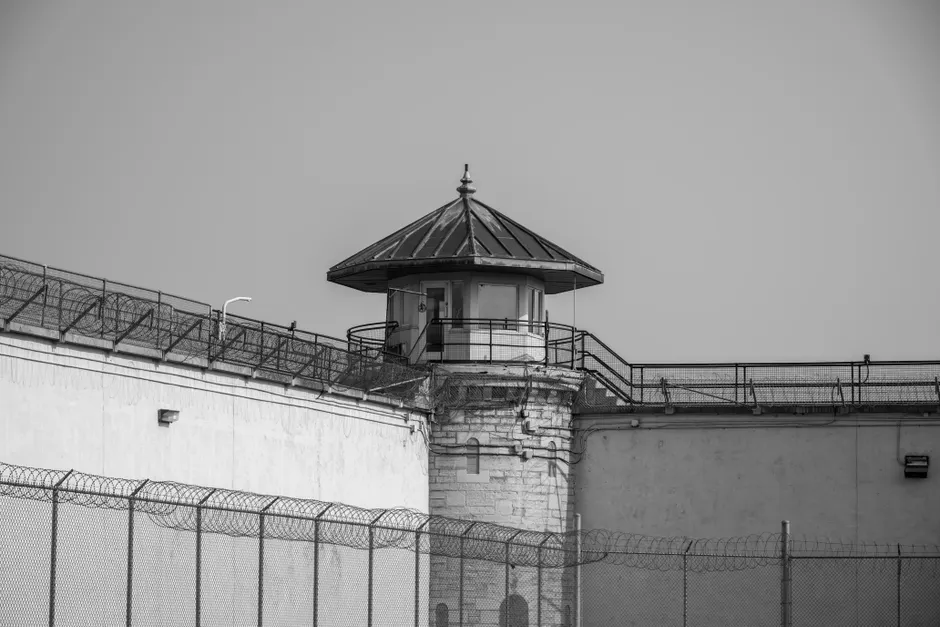
At least seven inmates were killed in a fire at the prison in Kobane in northern Syria on September 12, 2026. Dozens more were injured by burns or smoke, according to Syrian state TV. The cause had not been officially confirmed as of that date.
Syria's state news agency SANA said the fire started during a riot tied to tensions in the town on September 11, according to Al Jazeera. The Syrian Observatory for Human Rights gave a different detail, saying the riot began overnight after authorities decided to move some inmates to a facility in Aleppo. Inmates set fire to the prison during the riot and the flames spread, according to Arab News. The fire moved through the prison dormitories.
The jail unrest followed street protests in Kobane on September 11 over the killing of Sami Sheikhmous Hiso, a former Kurdish fighter. His body was returned to Kobane on September 10 after he had been kidnapped, and it showed gunshot wounds, according to AFP. Protests over his death turned violent on September 11 and led to arrests, according to Rudaw. That outlet said some protesters accused of attacking security forces were held in Kobane prison at the time of the riot and fire, according to Al Jazeera.
Kobane is a Kurdish-majority town in northern Syria. Its prison is still run by Kurdish authorities and has not been handed to Syria's central government. Bashar al-Assad was ousted as Syria's leader in December 2024. In January 2026, Damascus and Syria's Kurds reached an integration agreement to bring Kurdish civilian and military institutions into the Syrian state. Presidential adviser Mazloum Abdi, also known as Mazloum Kobani, arrived in Kobane on September 12 and met senior officials there. He was appointed adviser in August 2026, days after announcing the end of the Syrian Democratic Forces coalition he led.
The broader context here is how a local killing, a detention decision and an unfinished handover combined. The killing filled the streets and then the cells. The plan to move inmates to Aleppo met resistance inside. Both groups met in a prison whose chain of command is changing, much like merging two police forces under one command.
Looking at what this means for Damascus and Kurdish administrators, three issues will test coordination. The first is accountability for the deaths and injuries, including how fire control and evacuation were handled during the riot. The second is the fate of the Aleppo transfer order, whether it proceeds, pauses or is renegotiated. The third is the handling of the Hiso case, which went in two days from return of a body to street violence to a fatal jail fire. Abdi's presence in Kobane that day gives Damascus a direct channel to local officials. Whether that channel can align detention policy with the January framework will shape the next phase in the northeast.