Sylvan Esso on Laptops, Music Forums, and the Limits of Phones
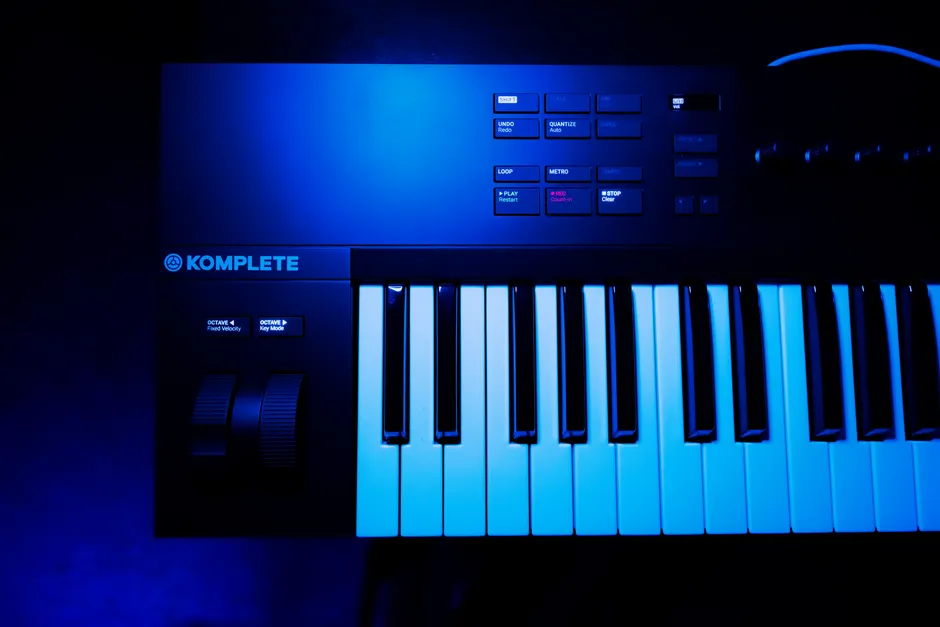
Sylvan Esso, the duo of Amelia Meath and Nick Sanborn, has a new album titled Ow ∞. The pair answered questions about everyday technology in an interview published Sept. 12 The Verge.
Sanborn said his most indispensable tool is his laptop. Meath said she wishes her phone was actually a food replicator.
Sanborn said his happy place online is a version of the old Monome forum focused on programming and instrument design.
Meath said her favorite gadget she ever owned was a T-Mobile Sidekick she saved up for in high school. Sanborn named EarthBound as the game he has the fondest memories of. Meath said the first Zelda game she played was Skyward Sword on the Wii.
The broader context here is the staying power of the laptop for creative work. For practitioners, a laptop combines editing, synthesis, coding, communication and distribution in one place, with a file system, shell access (a text way to control the machine directly) and support for outside gear. Phones handle recording and watching with polish. They give less detailed control. That gap holds even as phone chips have grown stronger and cloud services have taken over storage and collaboration.
Looking at what this means for community infrastructure, Sanborn's forum preference points to a durable habit among technical people. Small, focused forums keep threads, code snippets and design notes in searchable form. Rules are clear. Quiet reading helps because past posts stay available. In my view, that setup supports learning in ways that feeds ranked by reactions struggle to match. The tradeoff is intentional. Reach is narrower. Signal is higher. Moderation is social rather than algorithmic.
Looking at what this means for instrument builders, the focus on programming as musical practice is notable. Code becomes material. Interfaces become compositions. Upkeep becomes part of authorship. That loop needs places where errors can be inspected and fixes shared as text rather than video clips. A forum built around instrument design preserves that exchange. It also lowers the cost of copying an idea without splitting the group.
In my view, the hardware memories fit the same preference for clarity. A Sidekick with a physical keyboard made its uses obvious. Keys had travel. Messaging had its own posture. Games built around exploration and systems reward patience and mapping over quick reflexes. For builders of tools and instruments, those qualities matter. Limits that can be learned invite long use. Systems that explain themselves invite changes.
Worth flagging is the contrast in Meath's phone remark. The wish is not for more bandwidth or assistance. It is for physical output. Phones remain information terminals, strong at moving bits and weak at producing atoms. The request recasts the phone as a fabricator. The long arc here is encouraging. Creative practice has moved from central studios to laptops to pocket devices, putting capability closer to each person. A future where personal devices produce material utility, not only messages and media, would extend that direction.


