Russian Drone Hits Kyiv-Warsaw Train Near Poland, Explained

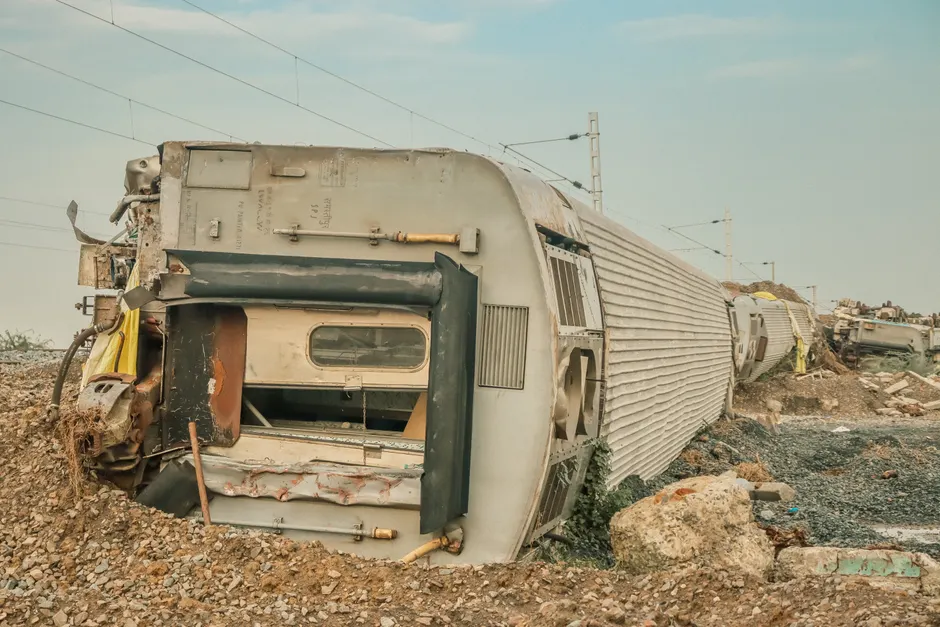
A Russian drone struck the engine car of a Kyiv-to-Warsaw passenger train 2 kilometres from the Polish border during an overnight barrage involving more than 450 Russian drones and missiles across Ukraine, The Guardian.
The train had been evacuated before impact. The engine car had been detached from the rest of the linked cars, known as a consist, before it was hit, and no casualties were reported on board, Financial Times. A lorry less than a kilometre from the Dorohusk-Yahodyn crossing between Ukraine and Poland was also hit. No one on the train was hurt.
The wider overnight attacks killed at least six people and injured more than 40 across Ukraine. Three people were killed in the Donetsk region and a 71-year-old woman was killed in the Mykolaiv region. Ukraine's air force said it intercepted 405 drones and four missiles during the barrage.
The strikes near the frontier set off air-raid warnings in Poland. Polish Prime Minister Donald Tusk chaired an emergency meeting after the attacks near the border. Ukraine's Foreign Minister Andrii Sybiha described the attack as "Putin's terror knocking directly on the doors of the EU and Nato". Ukrainian President Volodymyr Zelenskyy said Ukrainians are fighting every day to prevent strikes spreading further into Europe. Russia's defence ministry said it targeted infrastructure used to move military cargo from Europe into Ukraine.
The broader context here is border management and how allies coordinate. The Kyiv-Warsaw line and the Dorohusk-Yahodyn crossing form the main civilian and supply corridor linking Ukraine to Poland, like a single highway that carries both passenger cars and freight trucks. Strikes 2 kilometres and less than 1 kilometre from the frontier leave Polish air defence and civil protection with very little time to assess and respond, even when the impacts land on the Ukrainian side. The warnings and Tusk's meeting reflect that shortened timeline.
In my view, the next diplomatic exchange will be shaped by two competing descriptions. Kyiv calls the train strike a direct security risk to EU and NATO members. Moscow calls cross-border logistics legitimate targets to block supplies, or interdiction targets. For specialists, the practical question is how procedures held up: evacuation, unhooking the engine, reporting interceptions, and cross-border warning systems when explosions happen this close to allied territory. The death toll keeps attention on how fast Ukraine is using air-defence interceptors, while the border incidents raise a separate question about Polish readiness and consultation.