Fake Retatrutide in Australia: What the TGA Warning Means

Australia's Therapeutic Goods Administration, the agency that approves medicines, has warned of serious risks from counterfeit retatrutide after a patient tore their oesophagus after using a product sold as the unapproved peptide.
The patient developed severe vomiting that would not stop after taking what they believed was retatrutide. The vomiting tore the oesophagus, the tube that carries food to the stomach, and hospital treatment was needed. The case led to laboratory testing and a new safety alert from the regulator.
Testing found no retatrutide in the sample, according to The Guardian. It contained semaglutide instead, an ingredient used in approved weight-loss medicines, at about eight times the level in approved semaglutide products assessed by the TGA.
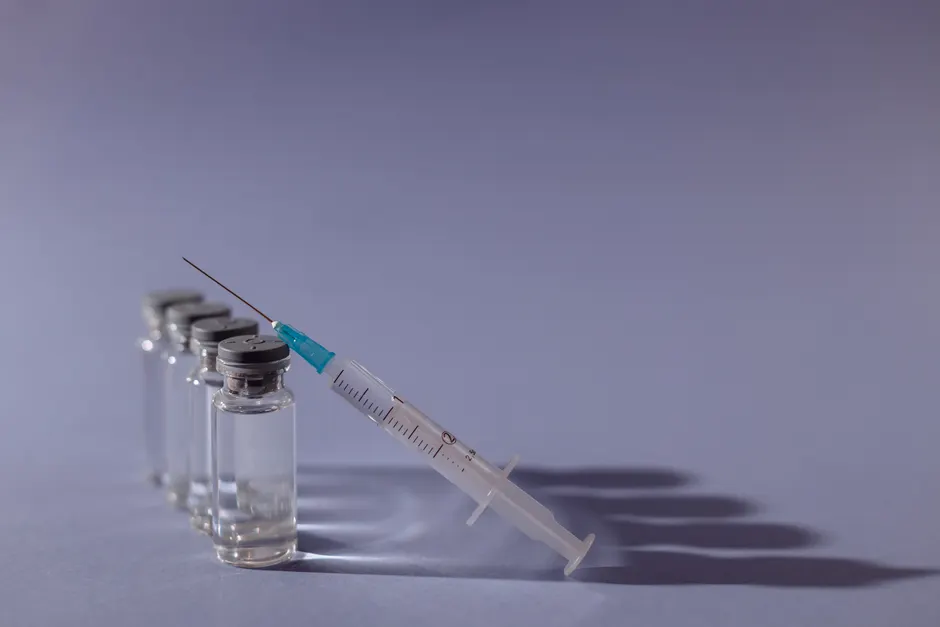
Retatrutide has not been approved by the TGA or by regulators overseas. It cannot be legally prescribed or sold in Australia. Despite that, counterfeit versions have been promoted on social media and the hidden market under names including retatrutide, Reta, R-10 and R-20, often in unmarked vials.
TGA chief medical adviser Prof Robyn Langham said products sold online may be fake or counterfeit and could contain ingredients that pose serious health risks. The regulator published its findings as 'TGA tests counterfeit retatrutide product following serious adverse event report' (TGA).
The 14 September warning follows earlier signals. In June the Victorian health department issued a warning after six cases of acute liver toxicity linked to products labelled as retatrutide. Since January 2026, there have been six cases of acute liver toxicity linked to an unapproved peptide product. Victoria published its notice as 'Toxicity linked to unapproved peptide product labelled Retatrutide' (Victorian Department of Health).
Australia's chief medical officer previously issued a public health warning about unapproved peptides after reports of liver damage, inflammation and severe allergic reactions. The TGA had issued an updated safety advisory after testing confirmed counterfeit imported weight-loss products, titled 'Counterfeit weight loss products claiming to contain GLP-1'. In the United States, the Food and Drug Administration has expressed concern about unapproved GLP-1 drugs used for weight loss, noting some patients and health care professionals may seek unapproved versions.
One case reported in June shows the distribution route. Megan Hancocks bought a drug labelled as retatrutide in cash from a beautician, according to ABC News. That incident was among those linked to liver toxicity in Victoria.
ABC News published a report on 14 September 2026 titled 'Fresh warning after peptide user suffers torn oesophagus' about the TGA retatrutide warning.
The broader context here is enforcement against a supply chain that is hard to trace. Prescription controls and import restrictions have limited effect when vials change hands in cash deals and online listings, while lab confirmation comes after harm. For regulators used to tracking approved medicines, the task is rapid detection across jurisdictions. For clinicians, the problem is diagnosis without a reliable history, because labelling does not predict content.