Trump Rejects Saudi Request for U.S. Strikes on Houthis as Yemen Fight Widens

President Donald Trump declined a request from Saudi Crown Prince Mohammed bin Salman for direct U.S. strikes on Houthi targets in Yemen.
The request came in a Thursday phone call, according to reporting published Sept. 11-12. Reuters The crown prince asked for U.S. military help against Yemen's Houthis. Washington said no. Saudi Arabia is continuing its own retaliatory strikes while urging Washington to take a tougher line on Tehran.
The trigger was a rise in cross-border attacks in September 2026. The Houthis claimed drones and missiles hit a Saudi airbase and several Saudi oil sites. Reuters Saudi-led forces said dozens of civilians were injured and promised a firm response. CNN Saudi Arabia then struck an airport in a Houthi-held city on the Red Sea and continued air operations against Houthi-held infrastructure. Fox News
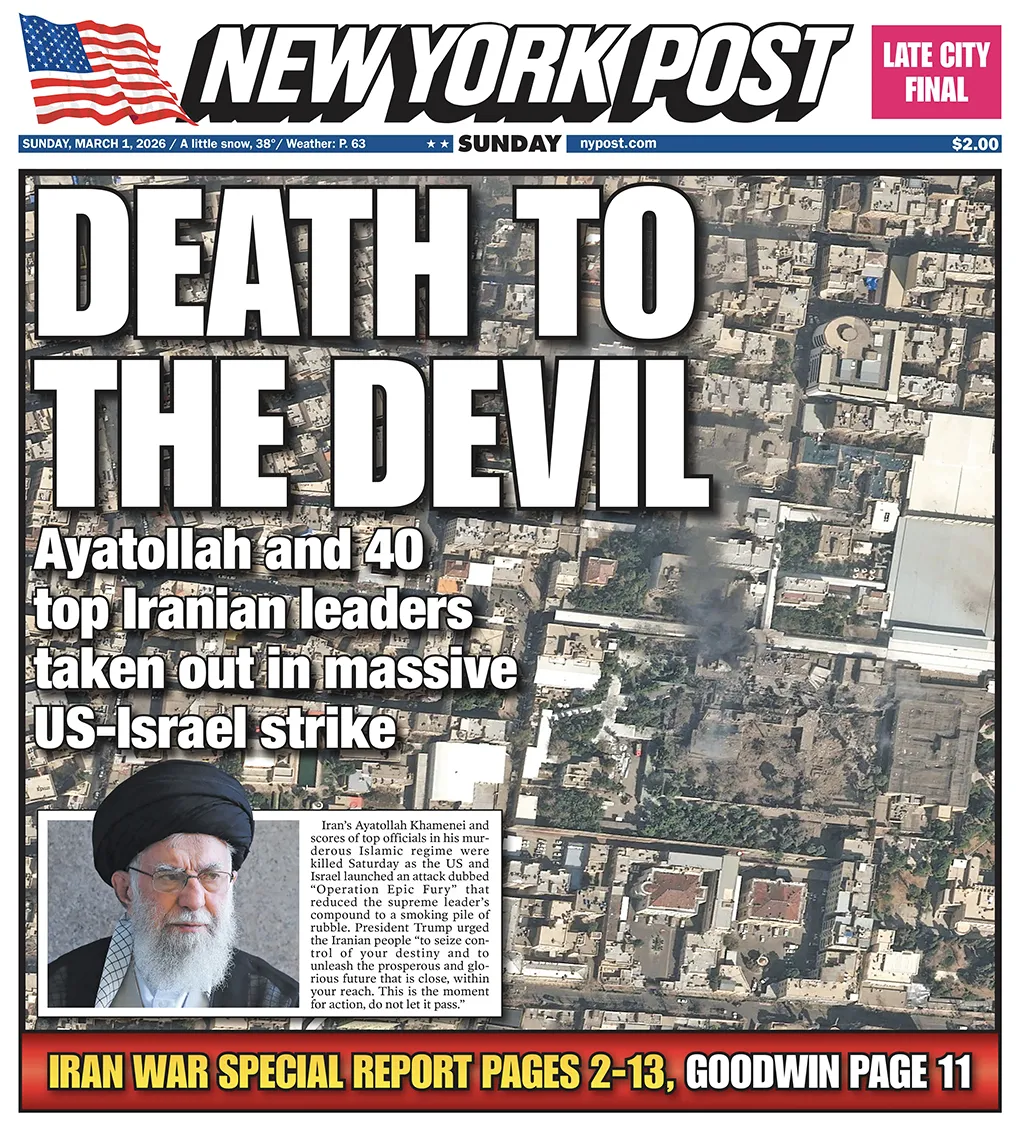
That fighting sits inside a wider war with Iran. On March 1, 2026, the White House announced that Trump had launched Operation Epic Fury to crush Iran's government and end the nuclear threat. White House The administration pointed to earlier steps. One was National Security Presidential Memorandum NSPM-2, a White House order that says Iran is responsible for continued Houthi attacks. Another was putting the Houthis back on the Foreign Terrorist Organization list, a U.S. label that allows sanctions and criminal charges. A Feb. 6, 2026 fact sheet described threats from Iran's government.
Combat has spread to several areas. The U.S. military said it shot down an Iranian missile barrage and worked with Saudi forces to strike sites in Iraq. AP In September 2026, the United States said it destroyed five Iranian crude-oil tankers. Secretary of State Marco Rubio said the U.S. military will keep targeting Iranian tankers in retaliation for attacks. Trump also said he may soon order strikes on Pickaxe Mountain, a site reported to hold nuclear facilities, essentially a fortress buried under rock. Al Jazeera
Saudi Arabia has long stakes in both Yemen and Iran. It led a military intervention against the Houthis in 2015 and backs Yemen's government against Houthi rebels. Reuters AP Analysts say weeks of Houthi attacks on Saudi targets brought Saudi Arabia and the Iranian-backed Houthi militia close to full war. The New York Times described that turn in pieces titled 'Saudis Form Military Alliance to Protect Red Sea Shipping' and "Saudi Response to Houthis' Attacks on Ships May Be a New War." The New York Times Another Times summary said the crown prince pressed Trump to cripple Iran, in a friction later summed up as 'How the Iran War Ignited a Clash Between Trump and the Saudi Crown Prince.' Trump had earlier warned the United States would hold Iran directly responsible for further Houthi attacks on shipping.
Who directs the Houthi campaign is disputed. Iran has said it does not control the Houthis, and Iran's foreign ministry said the Yemen conflict could not be solved by blockade or military action against the Houthis. Iranian sources, however, said Iran urged the Houthis to escalate attacks on Saudi targets. Regional officials told the Associated Press that the Houthis helped Iraqi militias plan and carry out attacks. AP The White House has separately stated that Iran-backed Hezbollah al-Hijaz terrorists killed 19 U.S. Airmen and wounded nearly 500 others at a U.S. Air Force housing complex in Saudi Arabia.
The broader context here is about how each side manages escalation, not whether they see a threat. Riyadh treats Houthi strikes on airbases, oil sites and civilian areas as needing a joint U.S.-Saudi answer, using the same logic Washington uses for Iranian tankers and militia sites in Iraq. Washington is still striking Iranian oil shipping and keeping the option of hitting nuclear-linked targets at Pickaxe Mountain, while holding back direct strikes to support Riyadh's Yemen retaliation. Key points to watch are the rules for protecting Red Sea shipping, the U.S. link between Houthi attacks and Iranian responsibility under NSPM-2 and the terrorist list, and whether Riyadh's solo air campaign deters future attacks or pulls the coalition back toward the long intervention that started in 2015.
Looking at what this means for diplomacy, the declined request sets a limit. Saudi Arabia can carry out retaliatory strikes and build a coalition to protect Red Sea shipping, but it did not get a U.S. promise to jointly strike Houthi targets after the September attacks. Iran can deny direct control while absorbing U.S. strikes on its tanker fleet. The Houthis keep a proven ability to hit Saudi military and energy sites. That triangle points to separate campaigns rather than one combined campaign, with oil flows, civilian injuries and coordination with militias in Iraq as the pressure points most likely to force the next decision.