Sweden's Close Election Leaves Both Blocs Claiming a Path to Power
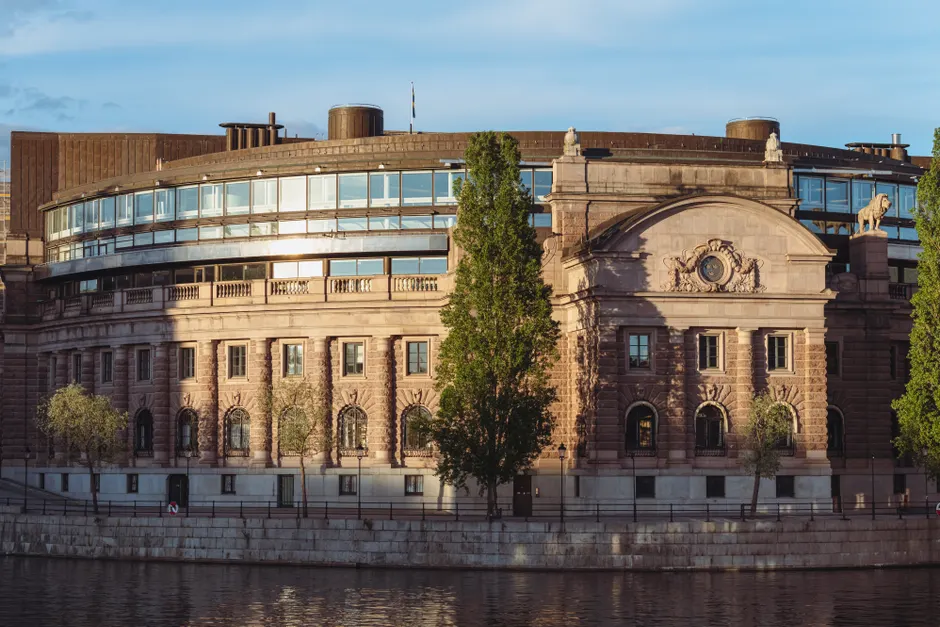
Sweden's political parties started coalition talks on 14 September after Sunday's vote for the Riksdag, Sweden's parliament. Social Democrats leader Magdalena Andersson began trying to form a new government, while outgoing Prime Minister Ulf Kristersson, leader of the centre-right Moderates, also said he wanted to explore coalition options to secure power. The Guardian
With 95% of votes counted, the Social Democrats and centre-left bloc led the right-leaning parties by 176 seats to 173. The Guardian The Riksdag has 349 seats in total. CNN That leaves a gap of three seats.
Final results are not expected until the weekend, after overseas votes are counted on Wednesday. The Guardian The wait comes from Sweden's two-stage system. Think of it as a full double-check, not just adding late ballots. On Monday 14 September, the county administrative boards start the final count for the 2026 Riksdag, regional and municipal council elections. Swedish Election Authority In that second count, every vote counted on election night is counted again. Swedish Election Authority The boards check votes for all registered parties, as well as personal votes for individual candidates. Swedish Election Authority
The 2026 elections to the Riksdag and to municipal and regional councils took place on 13 September 2026. Swedish Election Authority The Swedish Election Authority will publish the final results for the Riksdag and regional and municipal councils on its Election results 2026 page. Swedish Election Authority
The new parliament meets for the first time on 28 September. The Guardian The speaker, the official who runs the process for choosing a prime minister, can first propose a candidate on 29 September. The Guardian
Andersson is a former prime minister. DW The Liberals and the Christian Democrats said they will not work with the Social Democrats. The Guardian Before the election, Kristersson had pledged to bring the Sweden Democrats into government. Reuters The Sweden Democrats had hoped to enter government for the first time. The Guardian Instead, the far-right Sweden Democrats lost support for the first time since the party was founded. The Guardian
The broader context here is that both sides can negotiate but neither can yet claim authority to govern. The 176-173 split is provisional, and parallel claims to explore coalitions do not settle who leads. Overseas ballots and the full recount can still change the bloc totals. The figures to watch are not only the overall totals but personal votes and late-counted ballots at district level, which decide the final seats.
Looking at what this means before 29 September, the limits matter as much as the count. The Liberal and Christian Democrat refusal to work with the Social Democrats shrinks Andersson's options for partners across blocs even as she moves first. Kristersson has a different problem. His pre-election promise to include the Sweden Democrats still stands, and it now sits beside that party's first drop in support. That pairing shapes his leverage inside the right bloc and the cost of keeping it united.
In my view, the next phase will turn less on public statements and more on testing what defections or abstentions each side can accept. With parliament meeting on 28 September and the speaker able to act from the next day, both camps can use the recount period to check party discipline, map vetoes, and see if a one- or two-seat edge can hold. Until final results are published, all coalition claims stay provisional.


