Why Bonds Doubt Borrowers Can Handle Higher Rates
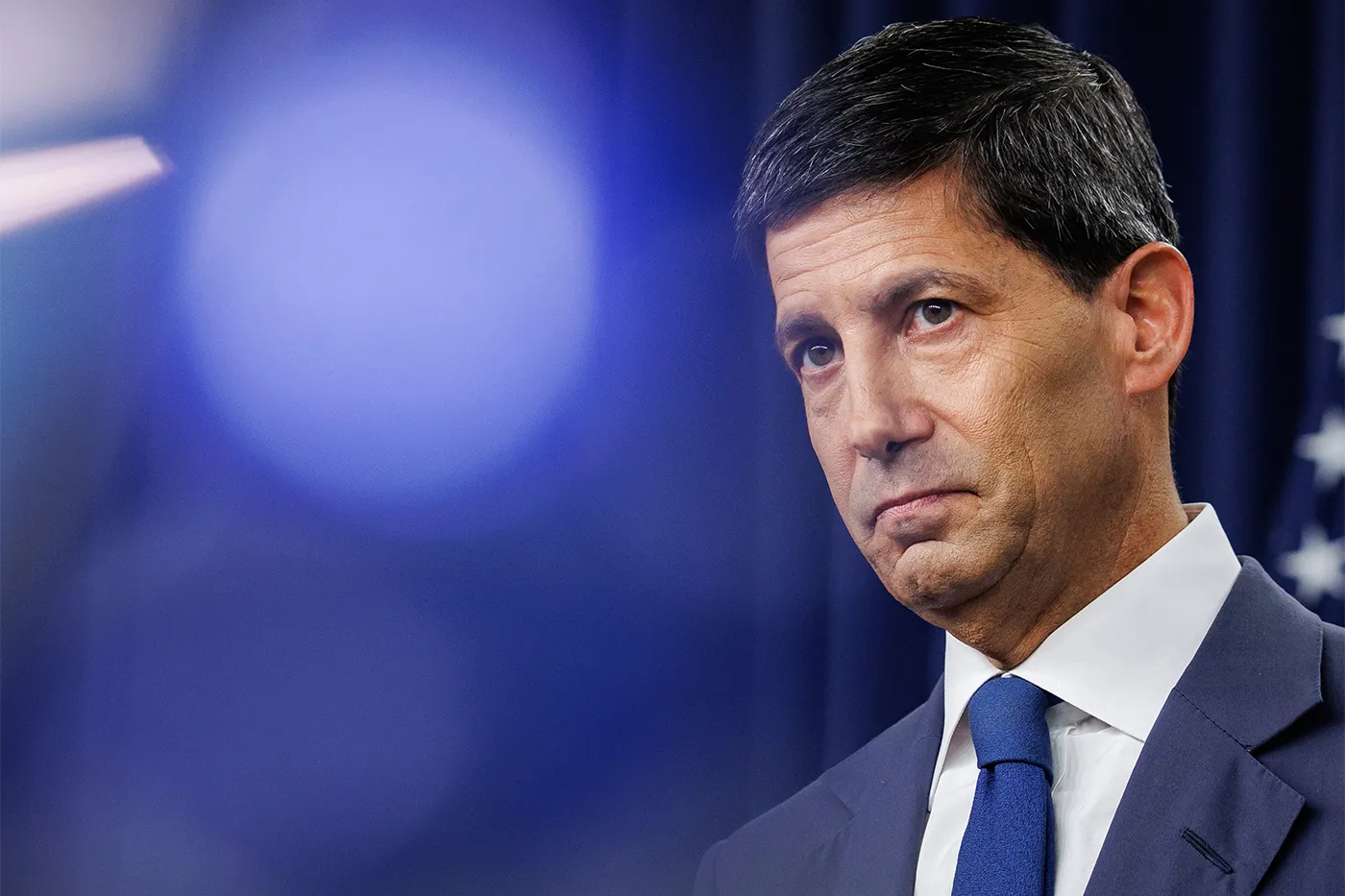
The U.S. bond market was flashing caution one day before the Federal Reserve's September 15-16 meeting: consumers may not be able to absorb higher rates.
Reuters reported that signal on September 14, 2026. The Treasury curve, the gap between short-term and long-term government borrowing costs, was flattening. Short-term yields were rising on expectations of tighter policy while long-term yields did not rise as fast. That pattern is often read as doubt about future growth. That timing matters, with policymakers set to decide the next day.
Consensus still leaned toward no change. In a September 4-9 Reuters poll, 65 of 93 economists expected the federal funds rate, the Fed's benchmark rate that helps set bank lending rates, to stay at 3.50%-3.75% the following week. At the same time, a rising number of analysts expected at least one hike in 2026, according to Reuters reporting on September 9. Hold now, hike later. The September 2026 policy meeting was scheduled for September 15-16.
The repricing followed a hotter-than-expected inflation report, meaning prices rising faster than forecast, that sharply raised the likelihood of a September increase. CBS News reported that shift on September 11. By that date, stubborn inflation, rising Treasury yields and signals from other central banks had raised the prospect of a hike, as described in Northeastern reporting on September 11.
The turn had been building for months. On February 4, 2026, the Reserve Bank of Australia delivered its first interest-rate rise in more than two years. By May 15, 2026, projections for Federal Reserve rate cuts in 2026 had fallen from two to zero. A joint meeting of the Federal Open Market Committee and the Board of Governors was held on July 28-29, 2026. In early September, the Trump administration was pressing to halt a hike ahead of the September meeting, according to CNBC reporting on September 5.
The broader context here is the split between short-term pricing and long-term skepticism. The short end expects more restriction while the long end refuses to sell off in parallel. For savers that can lift short-term returns. For borrowers it means tighter credit without the stronger income growth that usually supports it. Income from holding longer bonds thins, and demand for longer bonds turns defensive.
In my view, the dispersion in the poll matters more than the headline call for a hold. Sixty-five of 93 is a solid majority for unchanged policy, but the growing tail expecting at least one hike this year lowers the bar for a surprise. A hot inflation print would force fast repricing. A soft print would bring slower relief, especially with Treasury supply and term premium, the extra return investors demand for holding longer bonds, already pushing long-end yields higher.
Looking at what this means for transmission, the constraint runs through household cash flow and bank lending. Higher policy rates lift credit cards and other floating loans quickly, while longer yields anchor mortgage rates and business borrowing costs. When the curve flattens, lending gets less profitable for banks. If households cannot absorb higher monthly payments, restriction hits spending before it cools inflation expectations.


