Stocks Fell Sept. 14 as Oil, Yields and AI Slowdown Fears Hit Tech
U.S. stocks fell on Monday, September 14, 2026, as rising oil prices and bond yields weighed on stocks. Yahoo Finance
TheStreet reported declines of 0.75% for the S&P 500, 0.28% for the Dow Jones Industrial Average and 1.17% for the Nasdaq Composite on September 14, 2026, led by large-cap tech. TheStreet
Tech led the decline. U.S. stocks fell after Anthropic CEO Dario Amodei called for an AI development slowdown. Wall Street Journal
Rising oil futures raised interest-rate worries during the decline. Wall Street Journal
On September 14, 2026, AI stocks dropped on calls for a slowdown as rising oil pushed the 10-year yield, the interest rate on 10-year government borrowing, to 5%. Boston Herald
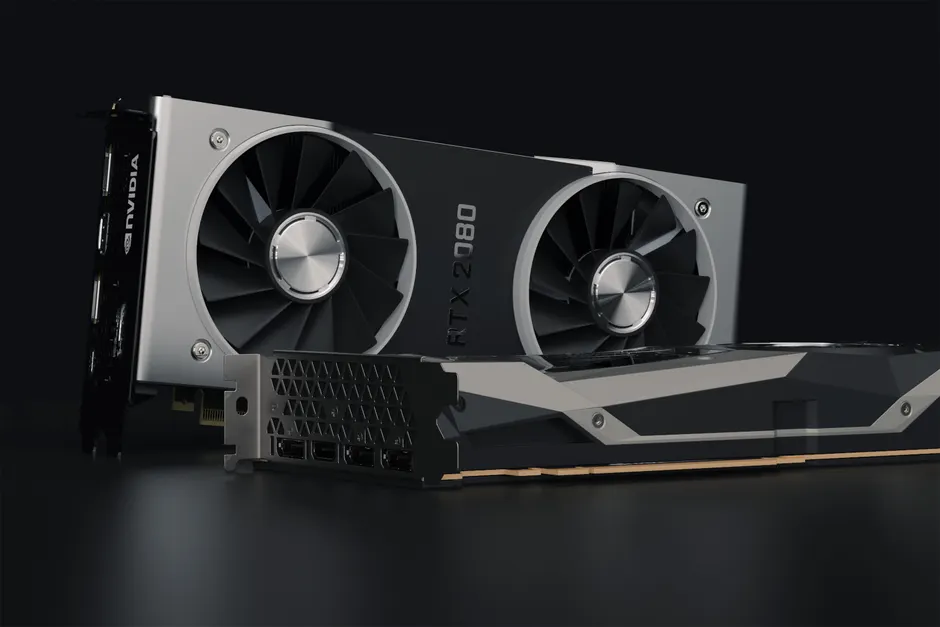
Reuters reported that Wall Street fell as AI worries hit Nvidia and chipmakers. Reuters
That Reuters report put the declines at 0.23% for the Dow, 0.42% for the S&P 500 and 0.44% for the Nasdaq on September 14, 2026. Reuters The two sets of index numbers differed across same-day reporting, with wide variation underneath.
On September 14, 2026, chipmaker stocks fell while software stocks rose. Reuters
The selloff was not limited to New York. AI-linked stocks fell worldwide on Monday, September 14, 2026. Reuters
Labor had set the tone earlier in the month. The Wall Street Journal's news archive for September 4, 2026 lists a headline starting U.S. Stocks Fall as Robust August Jobs readers can consult in the archive. WSJ Archive That archive also lists the headline "American Workers Have Slammed the Brakes on Switching Jobs." WSJ Archive
The broader context here is tightening from two sides, which matters for savers and borrowers. Oil can feed inflation, or rising prices, which supports higher interest rates. When rates rise, distant profits count for less today. So long-term growth stocks fall first and bonds do not cushion the drop.
In my view, the rotation inside the market matters more than the headline moves. Chipmakers trailed while software rose, pointing to sorting around how soon AI pays off, contract length and margin safety rather than selling everything. For funds managing close tracking to indexes, crowded positions and uneven liquidity bite faster than index volatility suggests.
Looking at what this means for positioning, expected AI building costs versus inflation-adjusted yields is now the key price driver. A slowdown call changes expected spending by large tech buyers and profit math across suppliers. With the 10-year at 5%, the bar to keep high valuations rises. The open question for stocks and bonds is whether shorter profit timelines offset the rate shock, or whether uneven trading lasts into quarter-end hedging.