GM Keeps CarPlay in Its New Trucks, but in a Smaller Window

GM will debut its next-generation truck software on the 2027 Chevrolet Silverado 1500 and 2027 GMC Sierra 1500 later this year. Apple CarPlay and Android Auto stay in the system, running as picture-in-picture windows that share the display instead of taking it over, according to details reported by The Verge.
Some versions offer more than 60 inches of combined screen space across three areas: the instrument cluster (the display behind the steering wheel), the center screen and a passenger screen. Physical buttons remain for core functions including HVAC, the heating and cooling system. The touchscreen adds a swipe-down menu for quick access to connected devices, settings and privacy controls.
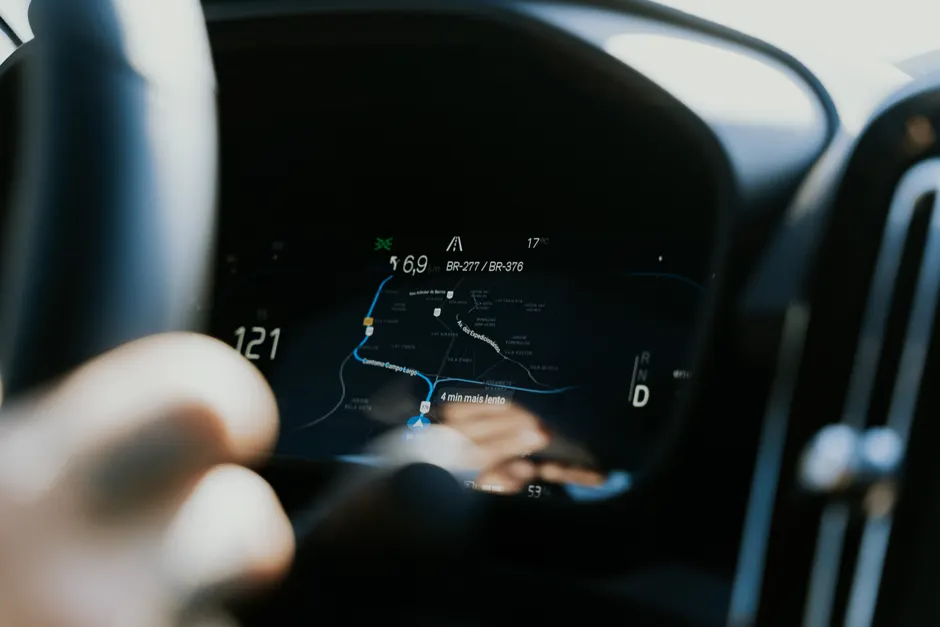
Towing is handled by the built-in system. The trucks include trailer-aware navigation. The vehicle detects a connected trailer and Google Maps plans a route that fits that trailer.
That approach is different from GM's direction in electric vehicles. In 2023 the company said it planned to phase out Apple CarPlay and Android Auto in its EVs with help from Google, as reported by Reuters. In parallel, GM will add a native Apple Music app to select 2025 and 2026 Chevrolet and Cadillac vehicles through an over-the-air update, meaning software sent over a cellular connection, according to MotorTrend.
The broader context here is a design based on coexistence. Phone projection handles familiar sessions from the phone. The native system keeps vehicle state, the cluster display and the tow setup. Picture-in-picture works as the middle layer, letting both stay visible without a full-screen takeover.
In my view, that split fits shared and work use rather than a single-owner model. A full takeover forces a mode switch during navigation or trailer monitoring, while a smaller projection tile lowers that cost. Hardware buttons keep direct adjustment for climate. For fleet buyers, the swipe-down device and privacy menu is worth noting because it treats driver identity as switchable rather than fixed. If trailer profiles, routing limits and media subscriptions live in the native system and update over the air, the truck itself controls behavior tied to towing and driving. Projection then covers the phone contacts and apps drivers already carry. The daily test will be handoff cleanliness, how permissions follow device switches, how fast tow status reaches routing, and whether main tasks stay in view. That detail is less visible than screen size, but it will shape everyday use and what work these trucks can support.