Student Loans Are Costing 401(k) Savers $10 Billion in Missed Matches
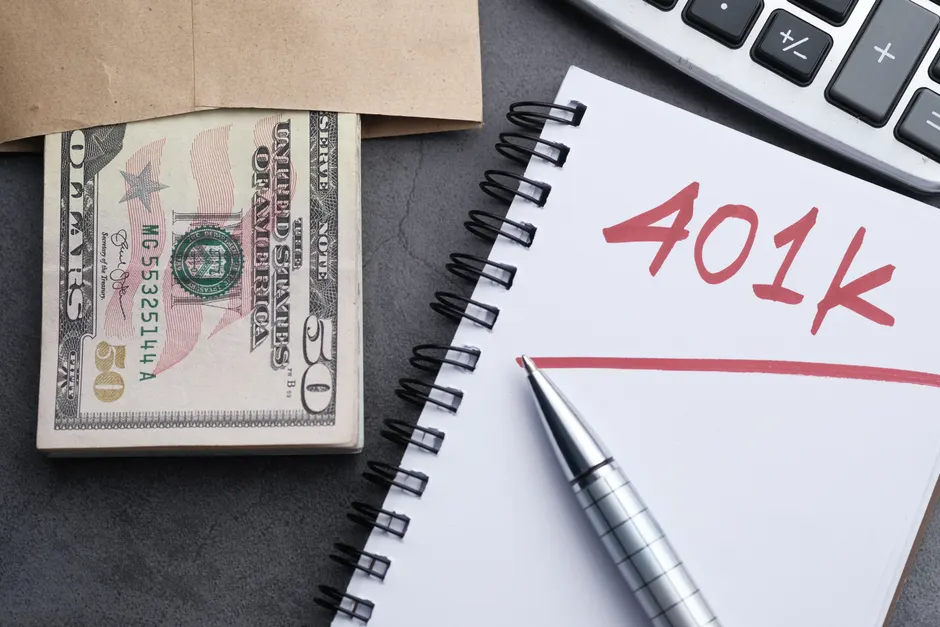
Student-loan debt costs 401(k) savers $10 billion a year in missed employer matches. That is the Employee Benefit Research Institute estimate reported Sept. 15, 2026. InvestmentNews
A 401(k) is a workplace retirement account, and a match is extra money an employer adds when a worker saves.
If all employers matched loan payments, workers would save more than $10 billion for retirement. MarketWatch That figure is not savings already captured. It is match left on the table when loan payments crowd out elective deferrals, the worker's own contributions from pay.
MarketWatch laid out the timing point in a Sept. 15 article titled 'When people with student debt try to save for retirement, they fall behind early and never catch up.' Shortfalls in the first years of participation carry forward in contribution rates and balances. Catching up later takes higher deferrals, longer tenure, or both.
EBRI pointed to two channels in research released in February 2024. It found making student-loan payments lowers both the average 401(k) employee contribution rate and the account balance. EBRI Lower deferrals shrink the base for compounding, which is growth on past growth. Lower balances reflect that smaller inflow plus missed match money.
Federal law now permits a workaround. U.S. legislation lets employers match a worker's student-loan payment as a retirement-plan contribution. Time The SECURE 2.0 Act of 2022 allowed employers to provide matching contributions based on student-loan repayments for the first time.
Total U.S. household debt was little changed at $18.8 trillion in the first quarter of 2026. The New York Federal Reserve's first-quarter 2026 report found trouble in student-loan borrowing continued. Reuters
As of March 2026, delinquent student-loan borrowers carried more non-education debt than before the pandemic. As of March 2026, delinquent student-loan borrowers were increasingly falling behind on other types of debt. Bloomberg
As reported in June 2021, more than 40 million federal student-loan holders were set to resume monthly payments on October 1 after Covid-19 debt relief ended. That overhang has since moved through forbearance exits, restarts, and delinquency cures into the 2026 stock of troubled borrowers.
The broader context here is the difference between saving less and losing the match. A lower contribution rate can be reversed. A missed match in a given plan year generally cannot. For early-career borrowers, the two interact. Debt service absorbs cash flow. Deferrals fall below the match threshold, the level needed for the full match. The match is forfeited, and the account enters next year smaller.
Looking at what this means for plan sponsors, the employers that run retirement plans, the more than $10 billion figure should be read as a full-adoption upper bound. It assumes every employer offers matching contributions on student-loan repayments and every eligible payment is matched. Actual capture will turn on plan design, payroll coordination, and whether employees with loans elect to direct cash to debt rather than deferrals. Sponsors face a trade-off. The match funds balances without requiring current deferrals, which helps indebted employees. It also extends match dollars to workers who previously failed to qualify for them.
In my view, the delinquency spillover is the variable to watch. Borrowers current on student loans but stretched elsewhere may still defer enough to earn the full match. Borrowers delinquent on student loans and falling behind on other debt are less likely to have margin to adjust around any match formula, whether linked to deferrals or loan payments. That split will determine how much of the estimated $10 billion gap is addressable through matching design and how much reflects broader household distress.