Chip Stocks Fell as AI-Slowdown Calls Met a 5% 10-Year Yield
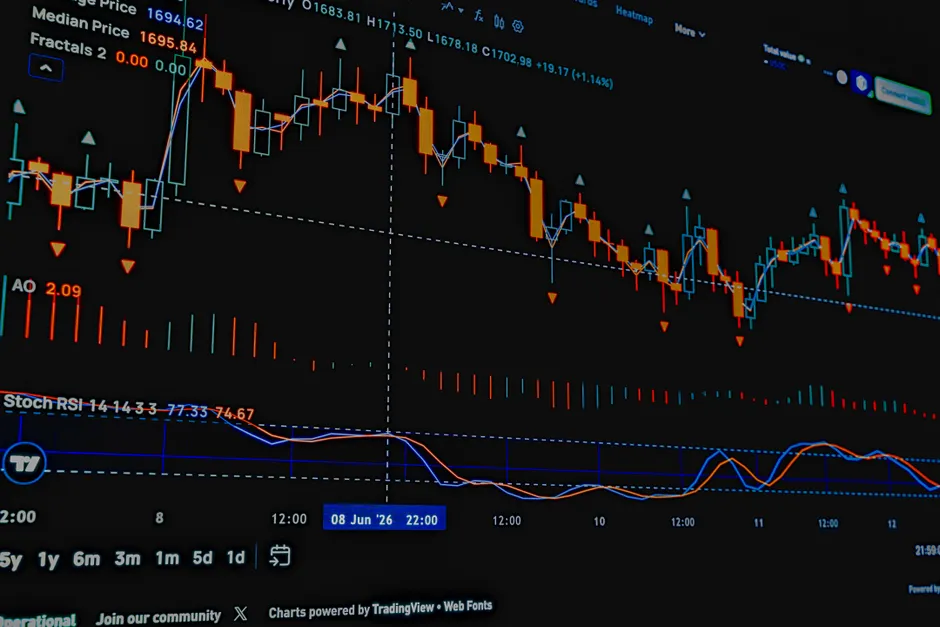
Chip stocks fell on September 14, 2026, as calls to slow AI development regained attention. Nasdaq futures, early bets on where the tech-heavy Nasdaq index will trade, also slipped, while the 10-year Treasury yield, the interest rate the U.S. government pays to borrow for 10 years, climbed above 5%. Reuters
Nvidia was down 2% before the market opened as AI safety worries hit tech shares. Yahoo Finance Trading was thin in that premarket session.
The selling was uneven once markets opened. Nvidia ended September 14 down more than 3%, while Meta, Microsoft and Alphabet rose. Fortune Chip stocks closed lower while parts of large tech held firmer.
The request behind the move was for the U.S. government to slow AI development until safety and security measures can catch up. It came from senior staff at major AI and technology companies. CNN That open letter was first published in July.
The broader context here is timing. Because the letter dates to July, September 14 brought no new rule or order. It was an older concern weighing on prices again.
The broader context here is also the split between making computing power and selling software. A slowdown proposal, even as a request rather than a rule, cuts expected demand for AI accelerators and related chips more directly than for diversified software and services. Think of chipmakers as engine suppliers and platforms as fleet owners. A pause hits new engine orders first. Futures and premarket moves made that split look sharper before regular trading brought fuller liquidity.
In my view, the rate move shaped how the stock fall spread. A 10-year yield above 5% lifts the discount rate, the math investors use to value distant profits in today's dollars, and raises the bar for company spending funded with debt. Growth stocks with high prices relative to earnings feel that pressure most. On September 14, chipmakers faced two pressures at once, policy risk and rate risk.
What matters for positioning is the split inside technology. When Nvidia falls while Meta, Microsoft and Alphabet rise, the market is not cutting all tech earnings together. It is separating suppliers of AI capacity from buyers who use that capacity to sell ads, software and services. That rotation can leave the headline index steadier than chip stocks, while leaving funds measured against broad tech with larger tracking gaps.
What stands out for risk management is the path from morning to close. A 2% premarket drop that widened past 3% means sellers kept selling after the open instead of being met by early buyers. Combined with heavy pressure in Nasdaq futures, that points to active selling of AI hardware risk rather than quiet drift. It does not establish a new trend, but it raises the cost of holding concentrated chip exposure when policy headlines return.