China Debates Whether English Should Stay a Core School Subject
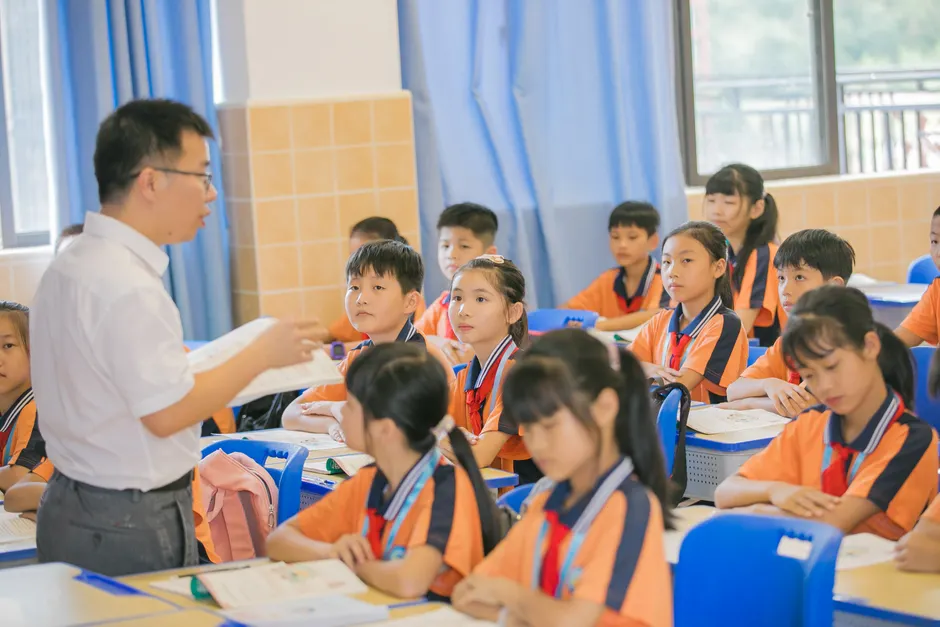
Tang Jiafeng, a Chinese mathematics teacher and online influencer, has called for English to be removed as a core subject in Chinese schools, a proposal reported on Sept. 11 that sparked fierce debate. NDTV
His call is specific. English would no longer sit alongside Chinese and mathematics as a required subject. That would reduce its weight in classroom hours, examinations and decisions about advancement.
That proposal has opened a wider argument in China about whether English should keep its core status. The debate is about its value for students, jobs and China's global competitiveness in the age of AI. DW
The English question is unfolding inside a school system that is already shifting toward artificial intelligence, meaning computer systems that can learn and assist with tasks. China planned to bring AI applications into teaching, textbooks and the school curriculum as part of an education reform bid. Reuters
Classroom policy is one pressure. Home life is another. Parents in China are turning to AI chatbots and other tools to help their children gain an edge and ease fighting over homework, according to reporting published March 2 under the headline "China's Parents Are Outsourcing the Homework Grind to A.I." The New York Times
The homework load is intense. The tools are available. Parents are using them.
The school debate sits next to a separate government-level AI agenda. Beijing and Washington are weighing how to regulate advanced AI models that could strengthen military capabilities. Reuters Chinese President Xi Jinping has pitched China as a leader of a new global AI order. Reuters
The broader context here is a negotiation over what skills the state should require, what families think they need, and what technology seems to make optional. English has long acted as a gatekeeper for university entry and white-collar employment. AI translation and tutoring tools do not end that function, but they change how parents and educators calculate its cost in study time.
In my view, readers should watch two connections. First, curriculum status shapes resources. A subject that loses core standing often loses instructional time, hiring priority and leverage in examinations, even if it is still taught. Second, the AI reform bid complicates a simple choice between language and technology. A system that builds AI into textbooks and teaching while cutting back on English would train students to work through AI systems mainly in Chinese.
Looking at what this means for diplomacy and institutions, the school debate and the U.S.-China AI talks run on different tracks but start from the same idea. Both assume AI capability will shape economic and security competition. Whether English stays required touches that same calculation about global competitiveness, access to foreign technical literature, and the ability of Chinese graduates to operate in multinational settings. The outcome will clarify how Beijing balances self-reliance in AI with ties to English-language research and commercial networks.


