The Fed Paused on Rates, but Signaled Hikes Aren't Off the Table—and Markets Felt the Difference
On June 17, 2026, the Federal Reserve's policy committee voted to leave the federal funds rate—the interest rate that banks charge each other overnight, and the lever that influences rates across the economy—unchanged at 3½ to 3¾ percent, per the Federal Reserve's official statement. But they didn't say rates would stay put forever. They signaled that another rate increase remained possible later in the year.
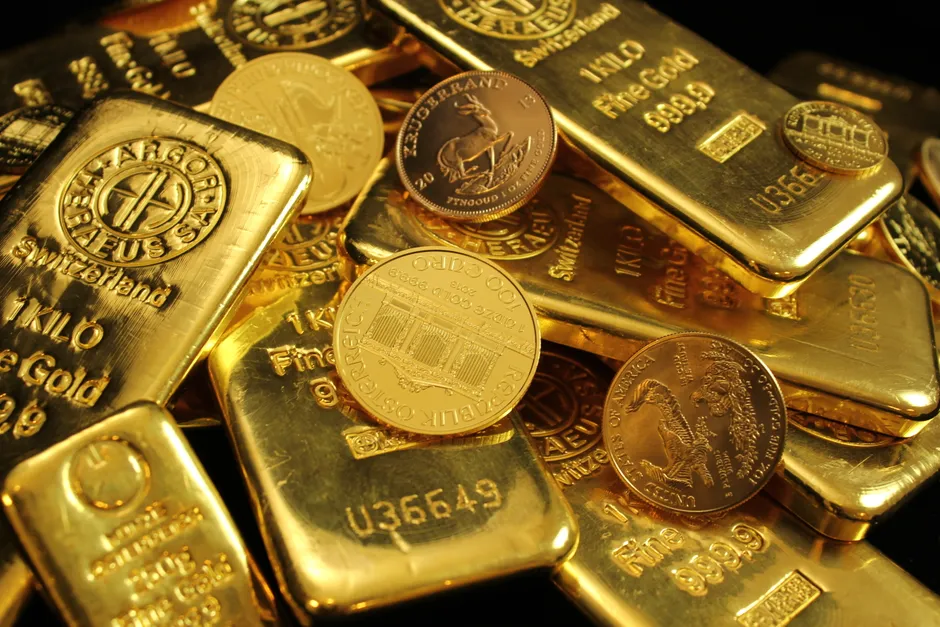
That combination mattered to investors immediately. Gold, which has no interest payments and loses appeal when Treasury bonds offer higher returns, fell to $4,299.89 per ounce, according to Reuters. The move was sharp. Just the day before, gold had traded at $4,338.86 per ounce — a $39 swing driven by changing expectations about what the Fed might do next.
What happened in those 24 hours illustrates how markets absorb geopolitical risk and Fed policy at the same time. On June 16, gold had gained on optimism around a prospective US-Iran peace deal. Why would a peace deal move gold? Because analysts saw it as reducing the chance of a supply shock in oil and energy markets. Less supply risk meant less inflation pressure, which could persuade the Fed to hold back on rate increases. Markets were pricing in the possibility that the Fed might soften its stance. Then on June 17, the Fed's hawkish signal — hawkish meaning it favors higher rates — re-tightened that calculation. Gold fell.
The Iran context is worth spelling out briefly. The 2015 nuclear deal (the JCPOA) between Iran, the US, and five other nations was designed to limit Iran's nuclear program and reduce the risk of escalation in the Middle East, per the US State Department. Any credible peace framework along similar lines would remove a "geopolitical risk premium" — a price bump that energy prices and safe-haven assets like gold carry because of tension and uncertainty. On June 16, gold was priced partly on the bet that such a deal would ease inflation fears and soften the Fed's calculus. The Fed's hawkish signal on June 17 contradicted that optimism.
Why does a higher rate outlook hurt gold? Because gold doesn't pay you interest. Its cost—what economists call the "opportunity cost"—is the return you could get instead by buying Treasury bonds. When the Fed signals it will hike rates, bond yields rise. That makes Treasury bonds more attractive relative to gold, and investors move money accordingly. The $39 drop in gold price from June 16 to June 17 follows that simple logic.
The Fed's decision leaves a big open question: how much more inflation data does the committee need to see before it actually raises rates? The central bank typically avoids spelling out exactly when it will move, preferring to keep its hands free. With eight regular FOMC meetings a year, the next decision point is not far away. Each new inflation report—whether the CPI, PCE, or jobs numbers—will now command extra attention from markets and traders.
What happens next matters differently for different investors. For bond traders and portfolios heavy in fixed income, the message is clear: the debate over how high rates will ultimately go is still open. A pause paired with a hawkish signal keeps the risk of further hikes alive, which affects how much longer-term bonds fall or rise in value. For gold, the outcome depends on whether a real Iran peace deal emerges and sustainably brings down the geopolitical risk premium, or whether that optimism evaporates and gold again finds support above $4,300. Neither is a prediction—both are scenarios that future data will either confirm or rule out.