English Village Votes for Symbolic Independence Over Asylum Housing Plan
Piddington, a village in Oxfordshire, England, voted to declare independence from the United Kingdom in a symbolic referendum on Tuesday to protest a government plan for asylum-seeker housing.
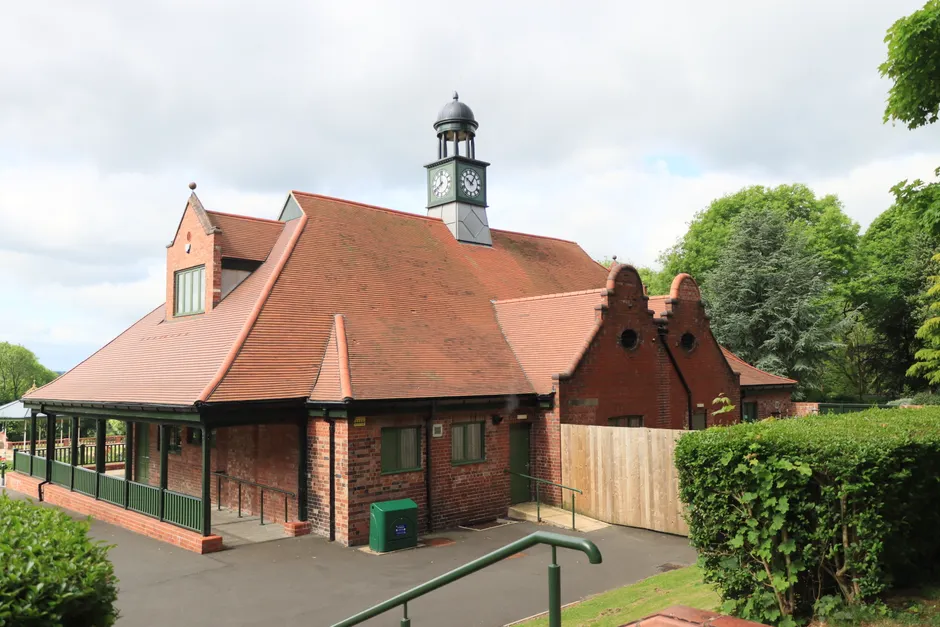
312 ballots were cast, with 285 in favour of independence, 26 against and one spoiled. The result was announced on Wednesday morning by a returning officer outside the village hall, where dozens of journalists and residents had gathered, according to The Guardian. A sign reading Principality of Piddington had been placed on the village boundary.
The result has no legal force. The poll was unofficial, and the ballot asked voters whether to "secede from the UK and pursue self-determination" (secede means to formally break away), as reported by The Telegraph. The exercise was organised through the local parish council, the lowest tier of local government, which the BBC described as the referendum organiser, while national coverage described the driving force as local campaigners BBC. An earlier village hall meeting had backed holding such a vote by 96% of attendees.
The target of the protest is a proposal to house up to 1,256 male asylum seekers, people seeking protection while their claims are decided, at a converted Ministry of Defence site in Bicester, close to Piddington. Parish organisers said in late August they were pressing ahead because of what they called 'deafening silence' from the government over the plan, then described as a 1,250-person scheme. The most recent account puts the capacity at 1,256.
Local objections have centred on suitability and consultation. Piddington parish councillor Mike Nixon said the proposed Bicester site "has no pedestrian access areas and the nearest path is about a mile and a quarter away down a busy unlit road." Safety, transport and access to services have formed the core of the parish case.
The government has defended its wider shift toward large-scale accommodation. The Home Office, the department in charge of immigration and asylum, has said closure of asylum hotels is expected to save taxpayers over £1bn on asylum support. A Home Office spokesperson said the government engages with local authorities and police forces "to ensure safety and security of those in the surrounding area" as part of housing asylum seekers.
Political reaction on 16 September followed two tracks. Lisa Nandy, the culture and media minister, told Sky News the government was getting the asylum backlog, the queue of undecided claims, down and speeding up processing of claims. Tim Bearder, leader of Oxfordshire county council, told BBC Radio 4's Today programme that the Piddington result showed campaigners had "done an incredible job to highlight their concerns."
The broader context here is tension between national plans and local consent. London wants to replace costly hotels with former military and other large sites that can open quickly, like switching from many small rentals to one large dormitory. For county and parish councils, those sites raise questions about planning rules, policing, health provision and integration, and about who is consulted before a decision takes effect.
In my view, the wording chosen in Piddington matters. Secession and self-determination come from international law and diplomacy, here used as local theatre. That choice turns a housing dispute into a sovereignty claim, which brings national cameras and requires a ministerial reply. The appearance of a 'Battle for Britain' song around the campaign uses the same symbolic logic.
Looking at what this means for Whitehall, the vote does not change the legal position of the Bicester site, but it raises the political cost of going ahead without local agreement. Bearder's reply suggests the county wants to recognise the campaign and keep talks open. Nandy's focus on the backlog suggests ministers will present large sites as a result of clearing old cases and leaving hotels, rather than as a separate dispersal choice.
What to watch is procedural. Whether the Home Office publishes detailed transport, safeguarding and policing plans for Bicester, whether Oxfordshire county council secures formal consultation guarantees, and whether other parishes copy the referendum template will determine whether Piddington stays an isolated protest or becomes a model for parish councils.