U.S. Visa Restrictions for Race-Based Discrimination: What Was Announced and Why South Africa Matters
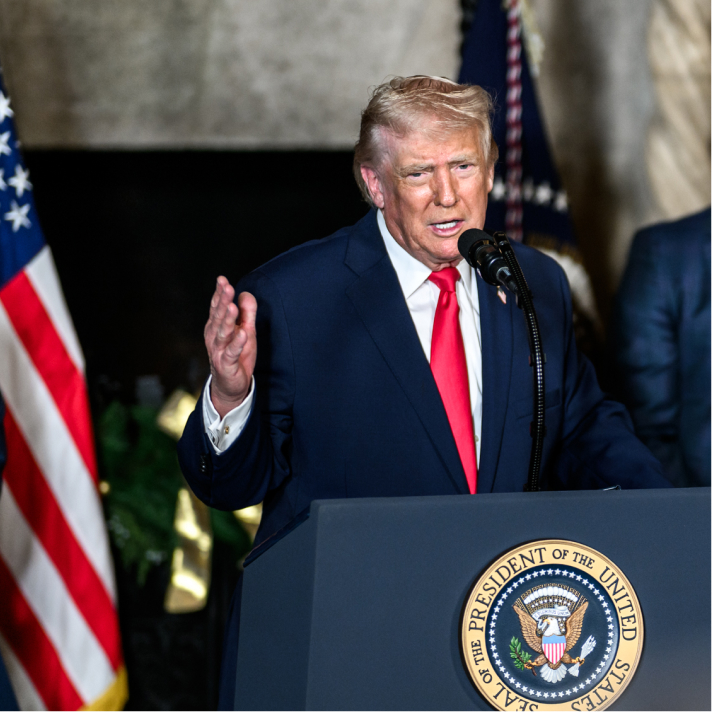
Secretary of State Marco Rubio announced on September 15, 2026 a new U.S. visa restriction policy for foreign nationals involved in race-based discrimination.
The announcement came as a State Department press statement. The release describes the measure as a visa restriction policy (a rule for refusing U.S. entry visas) aimed at foreign nationals involved in race-based discrimination. U.S. Department of State
The stated scope is broad. It applies to foreign nationals, and the trigger is involvement in race-based discrimination. The verified summary does not specify the legal authorities, the exception categories, or the proof standards officers would use.
The announcement follows earlier U.S. executive and diplomatic actions concerning South Africa. On February 7, 2025, the White House published a presidential action titled "Addressing Egregious Actions of The Republic of South Africa." White House
A February executive order from President Donald Trump created a refugee program (a protected path to resettle in the United States) for "Afrikaners in South Africa who are victims," according to July 25, 2025 reporting from Reuters on U.S. diplomatic guidance for the program. Reuters
On March 11, 2026, Trump said white South Africans are persecuted. Reuters reported the remarks on March 12, 2026. Reuters
Separately, the White House states that the State Department paused immigrant visa processing for 75 countries. Immigrant visas are the visas that lead to permanent residence. The White House lists the pause under its border and immigration priorities. White House
Inside South Africa, Reuters reported on July 10, 2026 that anti-immigration protests were intensifying.
The broader context here is the use of admission controls as instruments of bilateral pressure. Visa restrictions and refugee designations use different legal authorities, but practitioners read them together. One governs who may be kept out. The other governs who may be protected. When both are active toward the same relationship, the signal to foreign ministries and to consular posts is difficult to miss.
Looking at what this means for governments, lawyers, and affected nationals, the operational questions are still open. Much turns on how Washington defines involvement. That definition will determine whether the policy reaches only state officials who administer discriminatory laws or also private actors, employers, and political figures accused of incitement. It will also determine how consular officers decide cases, what exceptions if any apply, and whether decisions are public or applied quietly at the interview window. For Pretoria and other capitals, the immediate task is clarification through diplomatic channels and careful review of domestic statutes and enforcement practices that could be construed as falling within the U.S. definition.


