U.S. Talks With Houthis in Oman, Turns Down Saudi Plea on Yemen
U.S. officials met Houthi leaders over the weekend at the U.S. embassy in Muscat, Oman, and afterward decided not to intervene to help Saudi Arabia drive back a Houthi advance inside Yemen. The Guardian Five sources familiar with the matter confirmed the weekend meeting in Oman. Reuters
The meeting took place in Muscat. Washington declined Riyadh's request for support. The decision followed direct assurances from the Houthi delegation.
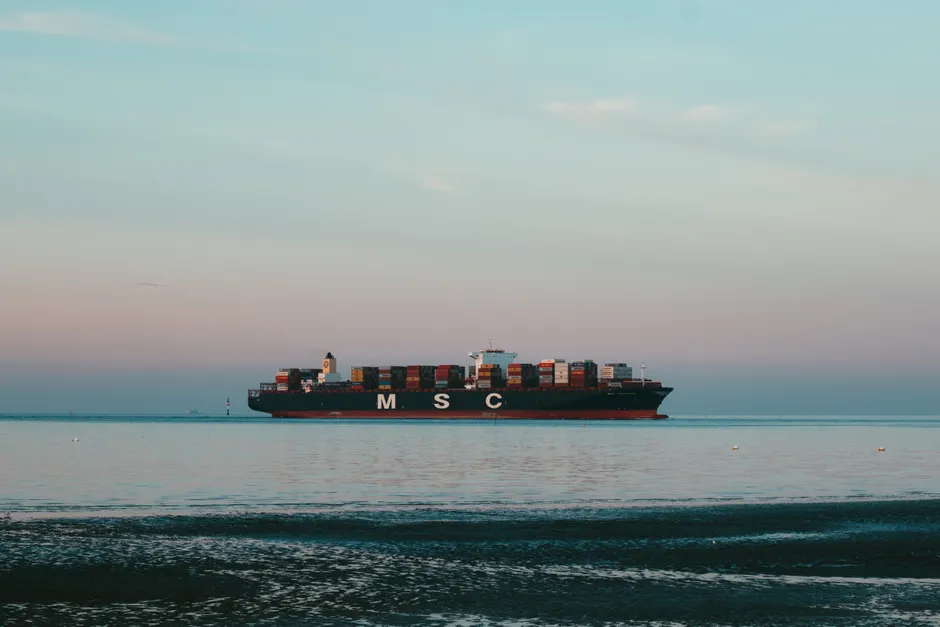
The Houthis reassured the U.S. that the 2025 U.S.-Houthi ceasefire, an agreement to stop fighting each other, still held. They told U.S. officials they had no intention of attacking U.S. shipping in the Red Sea. They said only Saudi-linked shipping was regarded as a target owing to Saudi Arabia's blockade of Yemen.
Donald Trump condemned the Houthi advance down Yemen's west coast as a threat to freedom of navigation — the right of ships to pass safely — through the Bab al-Mandab strait but has so far rejected a military response in support of Riyadh. U.S. Vice President JD Vance confirmed on Monday that the U.S. was in direct contact with the Houthis. The U.S. labelled the Houthis as a foreign terrorist entity in March 2025.
The contact follows an offensive last week in which the Houthis seized control of large swathes of western Yemen along the Red Sea coast. U.S. officials described the operation as extending to effective control of Yemen's entire Red Sea coastline, including the historic port of Mocha and Perim Island. In July 2026, the Houthis said they would impose a naval blockade on Saudi Arabia. In March 2025, Yemen's Houthis said they would not dial down action against Israeli shipping in the Red Sea in response to U.S. military pressure or appeals.
Saudi Arabia claimed the Houthis fired a drone toward Mecca on Tuesday and that Saudi defence forces destroyed it. Saudi coalition spokesperson Maj Gen Turki al-Maliki said the drone was intercepted at about 6:50pm local time on Tuesday entering prohibited airspace close to Mecca's holy shrines.
Oman has served as a mediator, a neutral go-between, in ceasefire talks between Saudi Arabia and Yemen's Houthi group. The Houthis control much of northern Yemen. In January 2015, Houthi militiamen representing Yemen's Zaidi sect took over Yemen's capital Sanaa. National Security Presidential Memorandum NSPM-2 describes Houthi attacks against the U.S. Navy, allied navies, and international commercial shipping in the Red Sea. The United States participated in maritime and missile-defense working groups at the Gulf Cooperation Council focused on Houthi terrorist attacks against international shipping. A Qiam Iranian short-range ballistic missile fired by Houthi rebels was recovered in Saudi Arabia.
The broader context here is a bilateral deconfliction between Washington and Sanaa running alongside, rather than through, the Saudi-led coalition framework. Former deputy U.S. ambassador to Yemen Nabeel Khoury said a "kind of tacit understanding between the Trump administration and the Houthis" had been struck. That formulation captures the structure emerging from Muscat: preservation of the 2025 ceasefire and protection for U.S. shipping, while Saudi-linked vessels remain exposed and the ground campaign in western Yemen proceeds without U.S. participation.
Looking at what this means for the next phase, the positions leave Riyadh with limited options and considerable escalation risk. A campaign to retake Red Sea coastal terrain without U.S. intelligence, refueling or naval support differs materially from prior coalition operations. Continued Houthi control of Mocha and Perim Island consolidates leverage over Bab al-Mandab transit and over any Saudi blockade architecture. The Mecca drone allegation, if sustained, will test the U.S. distinction between threats to freedom of navigation and threats to Saudi territory, and whether that distinction can hold politically in Washington and in the region.