Rivian Closes One Legal Battle as Self-Driving Claims Emerge
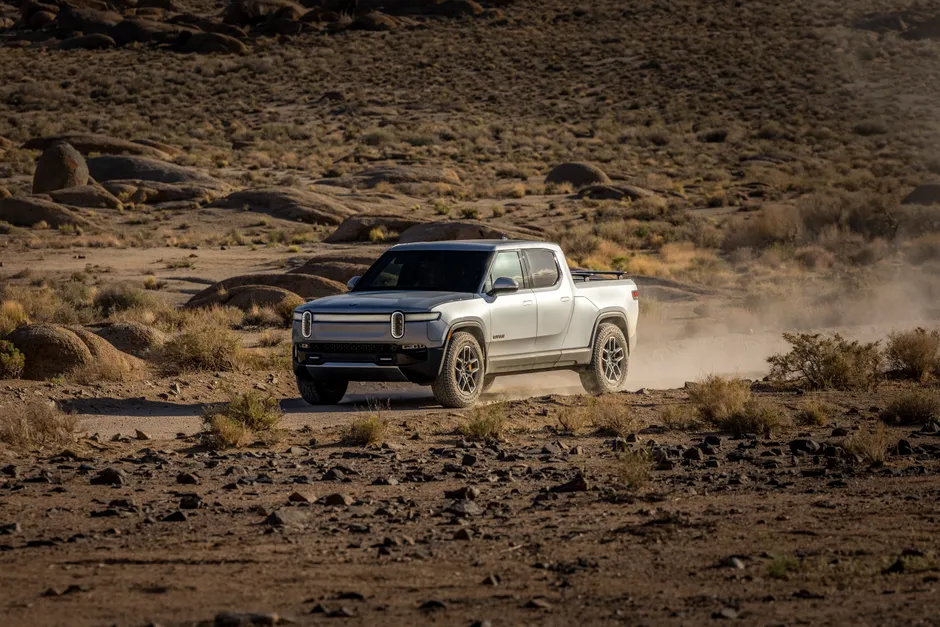
Rivian Automotive is wrapping up a securities lawsuit while a new one from customers gets underway. The company moved through the final stages of a class action settlement related to investor claims in early 2026, with the deadline for shareholders to file claims passing on April 20. At the same time, a separate lawsuit from Rivian owners alleges the company overstated what its autonomous driving features can actually do.
The securities case has roots in Rivian's volatile post-IPO period. Between March and April 2022—a stretch when Rivian's stock took a significant hit—multiple class actions were filed against the company and certain officers. Investors who bought shares near the November 2021 IPO peak watched the stock decline sharply in the months that followed. Rivian settled the case on October 23, 2025, the court issued preliminary approval on December 18, 2025, and the April deadline has now passed, effectively closing the window for class members to participate. The settlement terms are available in the company's SEC filings.
This arc—IPO-era announcements, investor lawsuits, a multi-year settlement process—is standard territory for EV companies that went public during the 2020–2021 wave of SPACs and direct listings.
A Different Kind of Problem
The new lawsuit, reported on June 18, 2026, comes from a different direction. Where the securities case centered on what Rivian told investors, the customer suit concerns what the company told buyers: that its driver-assistance features can do more than they actually deliver in real-world driving.
This pattern has appeared across the automotive industry for years. Tesla's "Full Self-Driving" branding has faced regulatory and legal challenges. Ford's BlueCruise and GM's Super Cruise have fielded questions about how much the driver needs to pay attention. Rivian's situation, if the allegations are accurate, falls into the same contested territory—where the name of a feature suggests greater capability than what the system can actually provide under real driving conditions.
The technical distinction matters. A system that keeps a car centered in its lane and maintains following distance—what the industry calls "Level 2 automation"—legally requires the driver to stay attentive and ready to take over at any moment. Marketing language that implies the car can drive itself more than it actually can creates legal risk, especially as U.S. regulators at NHTSA have scrutinized how manufacturers describe these systems following accidents linked to driver-assistance features. Whether Rivian's own marketing crossed that line is what the lawsuit will determine.
For Rivian, the timing is awkward. The company is working to stabilize production at its Illinois factory and improve its unit economics—the profit it makes per vehicle. Its commercial relationship with Amazon, which has ordered thousands of Rivian delivery vans, remains central to the business case. Litigation about vehicle safety systems, if it drags on, creates a distraction the company does not need while managing those priorities.
The securities settlement itself is better understood as one chapter closing than as a full resolution of concerns. Settlement terms do not mean the company admits wrongdoing; the whole process—years of litigation, court approvals, claim deadlines—is routine for a company with Rivian's profile. The more important question ahead is what internal documents the ADAS lawsuit might expose about how Rivian described its driver-assistance capabilities to customers.
Those documents, if they surface during legal discovery, could ripple far beyond Rivian's own exposure. The automotive and technology industries are still figuring out how to honestly describe what autonomous systems can and cannot do. Every lawsuit that hinges on the gap between marketing claims and technical reality adds another precedent that shapes how these products will be described, sold, and regulated in the years ahead.


