Apple Plans a Return to Servers With M8 Ultra Chips and Nvidia Tech
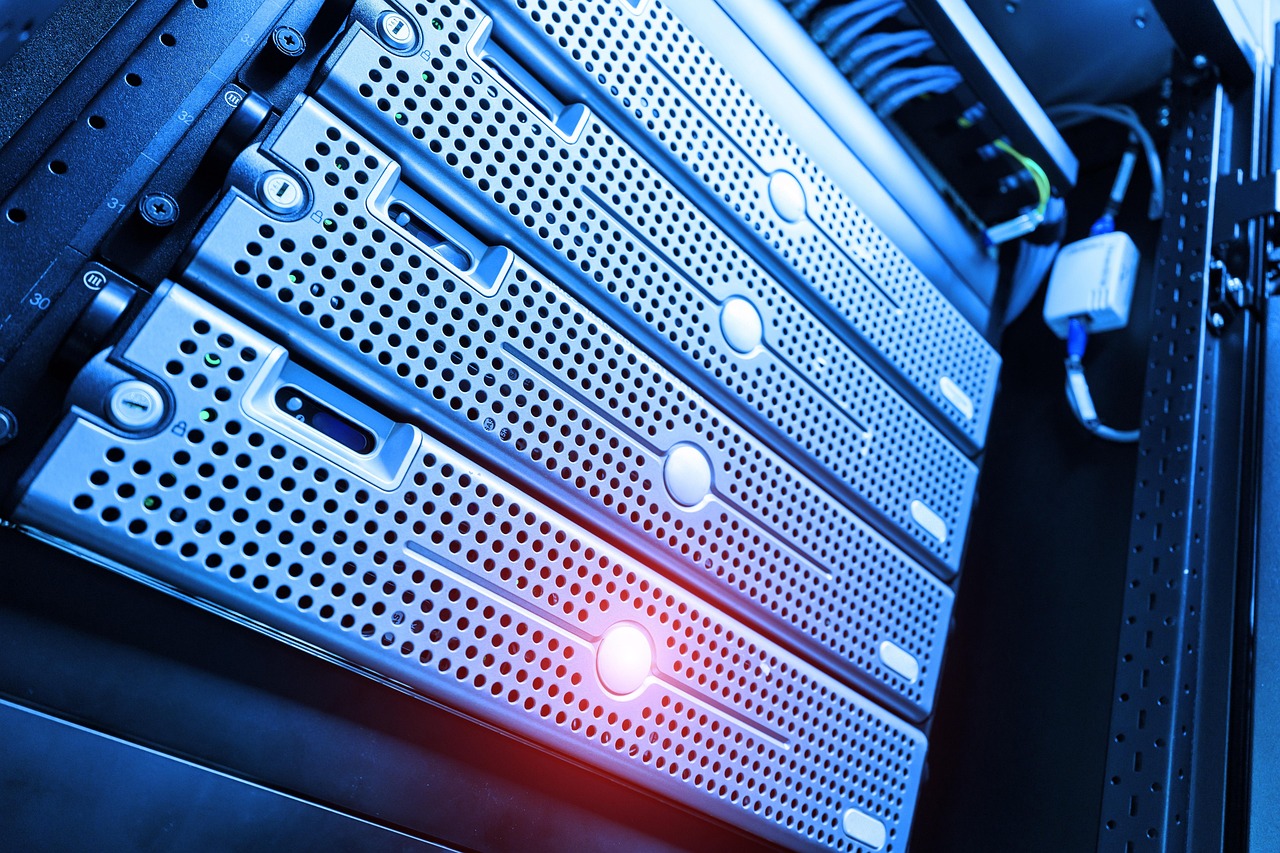
Apple plans to re-enter the server market with an enterprise system built around its own silicon, according to reporting published on Sept. 16.
The report, from The Information and summarized by The Verge, cites people familiar with the project. It would be Apple's return to a category it left when it retired the Xserve line in 2011.
The system under discussion is an enterprise server using Apple chips. Current designs under consideration call for two or four M8 Ultra chips, depending on the model. Apple announced its M6 chip in August. A server debut likely will not happen until 2029. That timeline spans three processor generations from today.
Apple has discussed pairing with Nvidia on the effort. The planned servers could incorporate Nvidia's NVLink Fusion technology, a fast link that connects multiple chips so they operate as one larger system. The talks have not been finalized as a product commitment in the reporting to date.
The reason cited in the reporting is compute demand from AI growth. Apple sees an opening for its ARM-based M processors, the efficient chip architecture also used in its Macs and mobile devices, to address that server demand. The Information separately frames the plan as a way to capitalize on surging interest in its computers for AI.
In parallel, Apple is relying on outside infrastructure for its near-term AI workloads. The company turned to Nvidia chips to power its revamped Siri servers. That overhauled Siri is on track to launch in September and will run in part on Google's cloud computing servers using Nvidia technology, according to a June 3 briefing from The Information.
The server plan also sits alongside earlier silicon work for the data center. Apple has been working with Broadcom to design an AI server chip expected to be ready for mass production by 2026, as reported in December 2024. In May 2024, Bloomberg News reported that Apple was putting its own chips in cloud-computing servers to process advanced AI tasks for Apple devices, as noted by Reuters. Undated reporting has also pointed to Apple seeking acquisitions of AI chip companies to enhance its server capabilities.
The broader context here is interconnect and packaging, not just raw chip speed. For AI training and large-scale inference, which means running trained models for many users at once, how chips are stitched together at rack scale often determines usable throughput. NVLink Fusion is relevant in that frame because it provides a licensed path for non-Nvidia silicon to join Nvidia-centered fabrics. For a vendor with its own chip design and memory system, that kind of link is what allows a single accelerator to scale across sockets and nodes.
Looking at what this means for enterprise infrastructure teams, the tension to watch is vertical integration versus interoperability. Apple has built its advantage on tight coupling of silicon, operating system and developer tools. Servers reverse that logic. Buyers expect standard management interfaces, Linux support, open networking and predictable upgrade paths. Partnering on an established scale-up link would lower one barrier to entry, while still leaving questions about software stack, service model and sales channel that a 2029 target gives Apple time to resolve.
In my view, the most telling signal is the pragmatism. Apple is advancing its own M-series roadmap for a future enterprise product while deploying Nvidia silicon on Google Cloud for Siri today and co-developing server silicon with Broadcom. That mix points to a company unwilling to let platform purity limit capacity. If Apple ships M8 Ultra-based systems with Fusion connectivity, operators could gain another ARM-based option for AI compute alongside x86 and custom accelerator incumbents, with possible gains in performance per watt for certain inference uses where Apple silicon has done well.