Peter Max, Psychedelic Pop Artist of the 1960s, Dies at 88
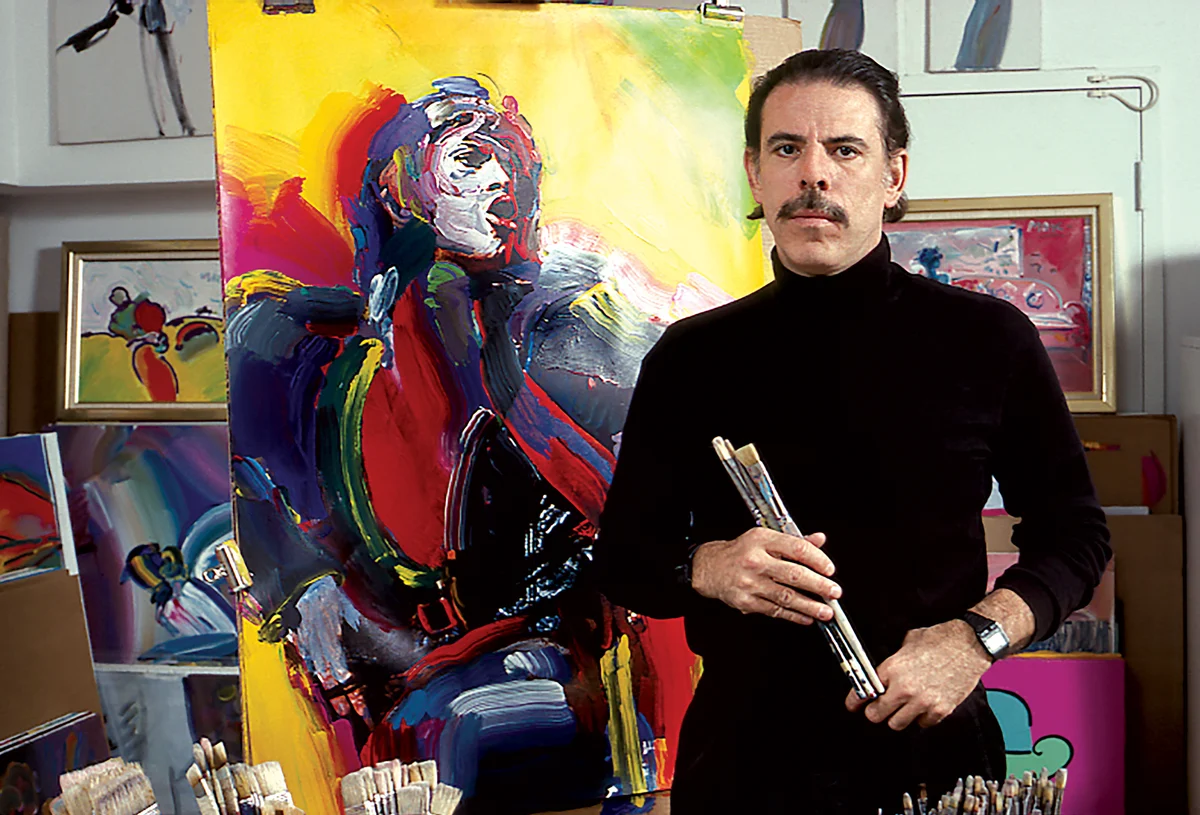
Peter Max died at age 88 on a Monday, according to a written statement from his son Adam Max issued on Wednesday. No cause of death was given. The Guardian reported the announcement on 17 September 2026.
Max was known for colorful, psychedelic pop art tied to the 1960s flower power movement. Psychedelic, in this case, means intense color and fluid lines that suggested a dreamlike state. His posters with Day-Glo flowers became a visual shorthand for that era, as described in his obituary by The New York Times. He appeared on the cover of Life magazine in 1969. He was born as Peter Max Finkelstein in 1937 in Berlin to a Jewish family.
Those images later moved well beyond galleries. Max served as official artist for the Olympics, the Super Bowl, the Indianapolis 500, the World Cup and the World Series. His art appeared on a Boeing 777 airplane and a Norwegian Cruise Line ship. He painted portraits of U.S. presidents and Taylor Swift. After September 11, he made six posters honoring the spirit of America, with proceeds going to 9/11 charities, according to his official biography.
His career also included a criminal case. In 1997 he pleaded guilty to tax fraud after the IRS alleged he concealed more than $1 million in income from his art.
The broader context here is how a style born in counterculture entered official and commercial life. Max kept the bright palette and loose lines of psychedelia while working for sports leagues, travel companies and political portraiture. That path makes it harder to view 1960s visual culture as purely oppositional.
Looking at what this means for how the work will be judged, the tension is between familiarity and authorship at scale. An official designation, a ship hull, an aircraft exterior and a mass-produced poster all need to be understood at a glance. Max provided that. The result was ubiquity. For historians of postwar American art, the question is how decades of repetition across surfaces changed the meaning of the early posters.
In my view, the tax case and the later patriotic prints should be part of the same account. They show an artist working fully inside the American market he helped decorate. The flower image lasted because it could adapt. How future curators weigh the 1960s origin against the long institutional afterlife will shape where Max is placed between pop and psychedelia. He was 88.


