U.S. Blocked Abbas From the UN Assembly: Visas, Waiver and a Video Speech

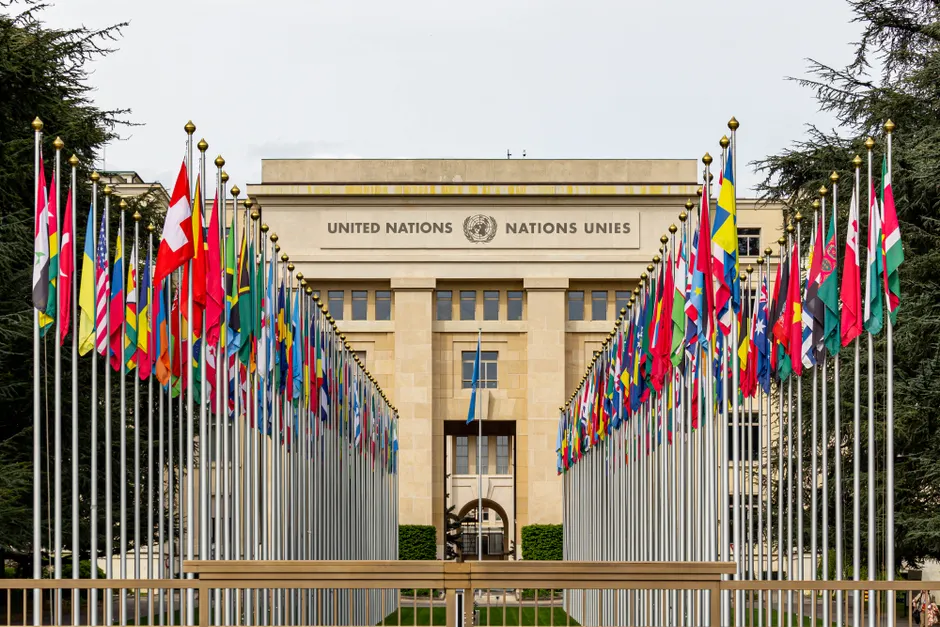
The United States denied and revoked visas for about 80 Palestinian officials, including President Mahmoud Abbas, ahead of the September United Nations General Assembly. Secretary of State Marco Rubio ordered the revocations. The decision kept Abbas from attending in person. Reuters
The State Department had announced that visas for all members of the Palestine Liberation Organization and the Palestinian Authority would be denied and revoked before the Assembly. U.S. State Department That language was categorical. Reporting on implementation focused on Abbas and the officials traveling with the Assembly delegation.
The Associated Press identified Rubio as the official who rescinded the visas. AP Reuters first reported the ban on August 29, 2025, and noted that American allies were backing statehood at the time. Reuters That report placed the action within ongoing Assembly diplomacy, not as a routine visa matter.
In September 2025, the State Department made a separate exception. It waived the visa restrictions for Palestinian officials assigned to the Palestinian mission to the U.N. Reuters The exception drew a line between accredited mission staff and the political delegation traveling for the debate. One channel stayed open. Entry for the wider leadership stayed closed.
The United Nations then allowed Abbas to address the General Assembly by video after the visa denial. Reuters The permission was procedural and narrow. It did not reverse the U.S. decision. It kept his speaking slot.
The broader context here is the gap between access and voice at multilateral meetings. Visa power controls who can enter the country in person. Assembly rules control who can speak and in what format. When the two point in different directions, the result is split. The delegation stays out, but the statement still enters the record.
Looking at what this means for diplomacy, the key line is mission versus delegation. The waiver kept the mission in place. The denial limited the visiting political delegation. For diplomats, that line shapes who can hold side meetings in the building, share draft language informally, and who must work through permanent representatives and remote messages. Video keeps the speech. It does not replace hallway talks.
In my view, this episode will be studied less as paperwork and more as a test of backup procedures. The questions to watch are whether video addresses become a standard fallback when host-country visa decisions affect Assembly participation, and whether mission waivers are enough to keep work going. Practical details matter here. How delegations staff a high-stakes week under travel limits, how much weight remote statements carry, and how others engage when the leader cannot travel.