Turkey's Raids on LGBTQ+ and HIV Groups: What Happened and Why It Matters

Turkish police raided offices of LGBTQ+ rights organisations and HIV-advocacy groups in coordinated early-morning operations on Sunday in Istanbul, Ankara, Izmir, Aydin and Mersin. Dozens were detained across all five cities, according to the latest reporting The Guardian.
Justice Minister Akin Gurlek said the raids and arrests were part of an operation called "My Family is Safe". Istanbul prosecutors said officers seized digital equipment, drugs and a firearm and arrested dozens of people. Ankara prosecutors accused LGBTQ+ rights groups of violating laws against "obscenity" and laws that set rules for NGOs, or non-governmental organisations.
Rights groups tracking the arrests believe 62 people have been held on remand and more than 100 were detained in total. Remand means held in custody while an investigation continues. The total rose as the sweep widened. Reuters reported at least 47 detained on September 13 and Al Jazeera reported at least 63 detained on September 14, while DW reported at least 162 arrested over the weekend Reuters. Reuters later reported on September 15 that at least 31 people had been ordered held pending trial Reuters.
Seven members of the executive board of Kaos GL were detained, according to the Media and Law Studies Association. Journalist Tugba Tekerek was arrested at her home in Istanbul and taken to Ankara for questioning after publishing a piece with Kaos GL on the LGBTQ+ community in Georgia.
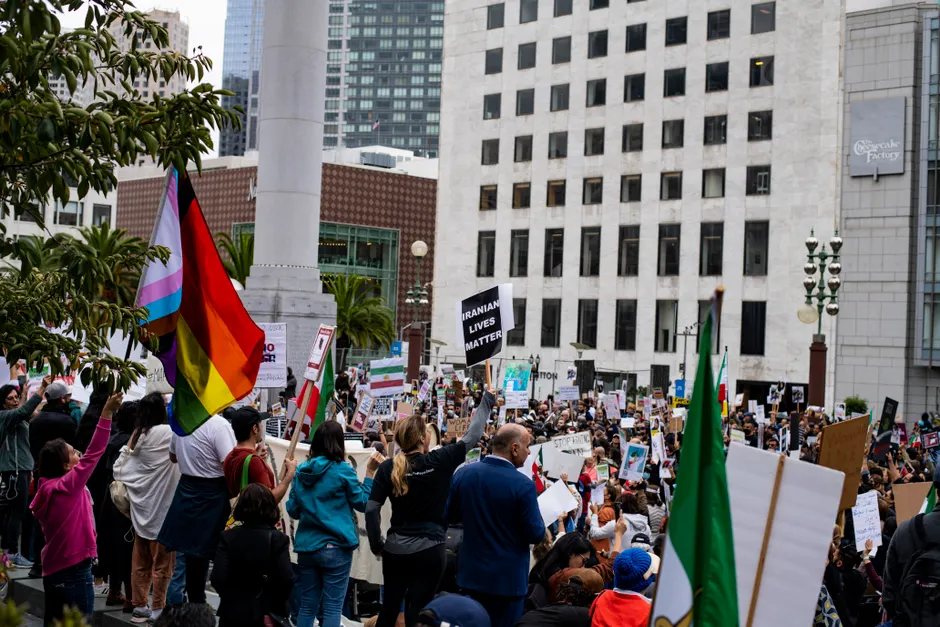
Authorities used tear gas against hundreds of protesters in Izmir and detained at least 150 demonstrators in Istanbul on Tuesday, plus dozens more in Ankara. The government described its campaign targeting the LGBTQ+ community as an effort to protect families The New York Times.
The broader context here is the legal tools prosecutors are using. Obscenity provisions and NGO regulations allow authorities to treat association work as a question of administrative and criminal compliance rather than rights advocacy. That moves cases from public debate into audits, seizures and remand hearings. The inclusion of HIV-advocacy groups alongside LGBTQ+ organisations points to enforcement aimed at service and documentation networks, not only protest or public expression.
For civil society and the press, three pressure points stand out. Pre-trial detention gives authorities leverage long before any charge is tested in court. Seizure of computers and phones disrupts casework and source protection even if devices are later returned. Detention of board members ties legal risk to individuals. For journalists, Tekerek's transfer to Ankara for questioning shows how far that jurisdictional reach can extend. The protest detentions add a second layer of custody on top of the first sweep.
What to watch now is procedure. Remand decisions will determine how many of the 62 stay in custody during the investigation. Prosecutors have not announced a unified indictment. Defense networks and tracking groups will shape the public record on numbers and charges. The state's family-protection language shows the official narrative is set. Contestation will likely proceed in courts and street mobilization at the same time.