Australia Post Worker Jailed Over $100,000 Mail-Theft Card Fraud
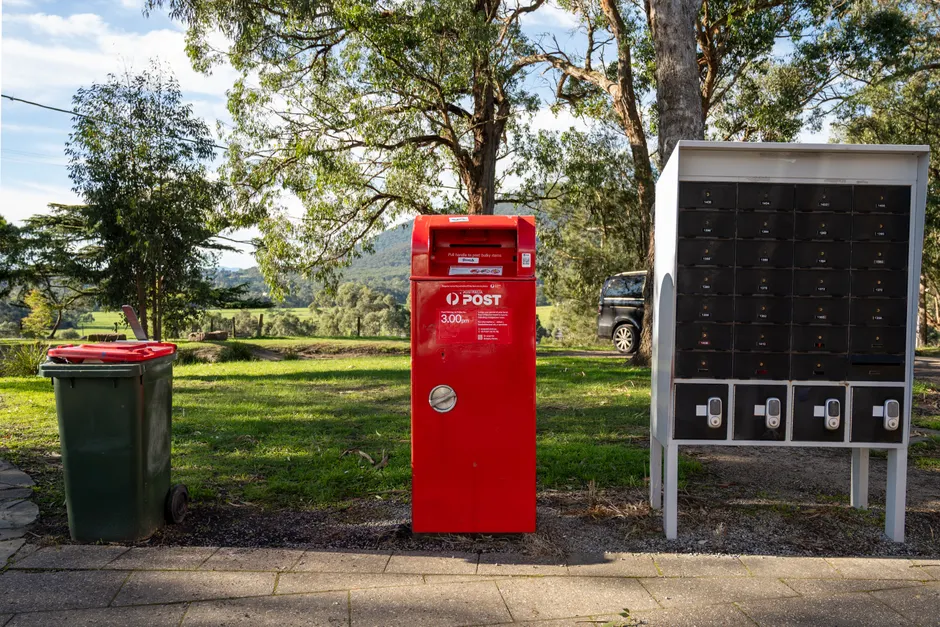
Mauro Paul Coluzzi, a 57-year-old Australia Post worker, was sentenced in Sydney's Sutherland Local Court for stealing dozens of bank cards from secure mail on his delivery route and using them to defraud customers and banks of more than $100,000 over 15 months The Guardian.
Judge Jillian Kiely imposed the jail sentence. Coluzzi will be eligible for parole — supervised release before the full sentence ends — in December 2027.
Coluzzi worked an eastern suburbs round for Australia Post. Prosecutors said he intercepted cards in transit with two co-conspirators, then activated and spent them before cardholders realised the mail had never arrived. The court heard Coluzzi personally gained nearly $30,000 in cash and goods.
His spending continued until almost the point of arrest. Twelve hours before police detained him, he bought two 24-carat gold bracelets with proceeds from the stolen cards. The method relied on insider access, a little like pulling marked envelopes out of a fast-moving stream of ordinary letters. Coluzzi allegedly earmarked envelopes containing credit cards to mark them for theft, according to earlier reporting on the investigation The Canberra Times. That access let him separate bank mail from ordinary letters on his beat in Sydney's east.
Coluzzi had worked for Australia Post with an unblemished record since 2007. The court heard he began looking for new ways to fund his gambling addiction in early 2024, and that search led to the card thefts.
The purchases were varied and persistent. They included perfume, scented candles, more than a dozen phones and tablets, cigarettes, groceries and Roblox gift cards. Some items were for resale or conversion to cash. Others were for direct use.
At the time of his arrest, Coluzzi — then 56 and living in Rockdale — was detained at his home in August 2025 and charged with 145 offences including fraud AAP. Police then alleged he had stolen cards belonging to 62 people in a $1.4 million crime spree centred on Edgecliff, Woollahra and Double Bay Nine. Those figures shaped the early charging case.
The case decided in court and reported this week is narrower. It centres on dozens of cards and losses of more than $100,000.
To put that gap in perspective, the difference between the amount alleged at arrest and the amount tied to Coluzzi and his co-conspirators in court is common in card fraud matters, where attempted limits, declined transactions and evidentiary thresholds — the standard of proof required — reduce the final count.
The broader context here is the vulnerability of secure mail to insider abuse. Banks rely on the post to deliver unsolicited cards to verified addresses. Postal workers hold unsupervised custody of that mail for hours each day. Controls exist at sorting and delivery points. They did not stop repeated interception on a single round for more than a year.
Looking at what this means for enforcement, the parole date sets the immediate timeline. Eligibility in December 2027 follows a relatively short non-parole period, the minimum time that must be served in custody. The roles of the two co-conspirators, and any recovery of cash and goods, will determine whether the loss stays with customers and their banks.