Slovenia's Potato Festival Meets a Drought-Hit Harvest
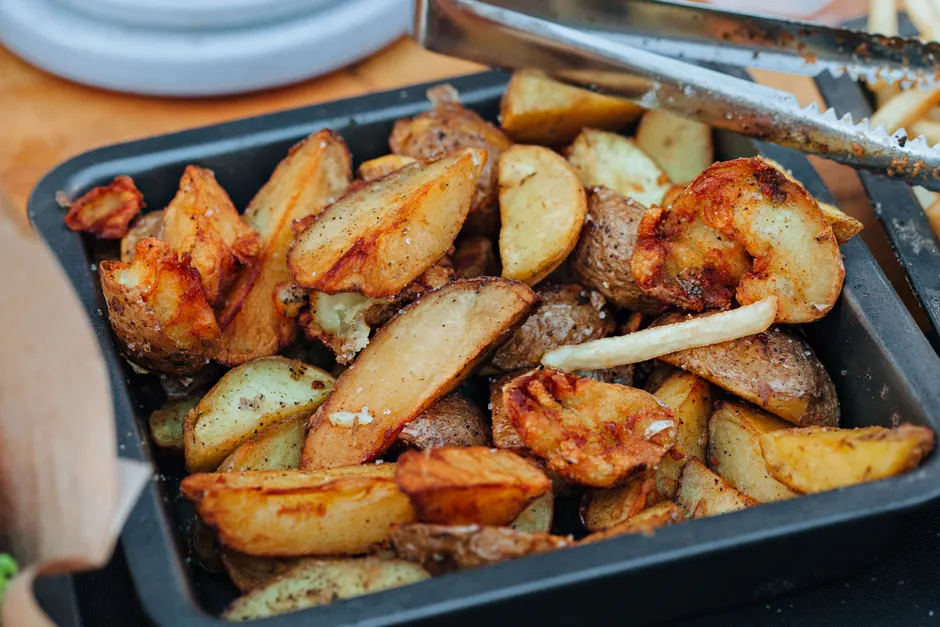
Lipovci, a village of about 1,000 residents in northeastern Slovenia, hosted the 26th international festival of roasted potatoes. Hundreds of people and more than 50 societies joined the event, which took place as growers assessed drought damage to this year's crop Al Jazeera.
The Chamber of Agriculture and Forestry of Slovenia estimates this year's potato harvest will be down by 30 to 90 percent Al Jazeera. The wide range reflects large differences from field to field, not the same loss everywhere. In 2025, Slovenia produced only about a third of the potatoes it consumed Al Jazeera.
The festival began as a tongue-in-cheek event in the early 2000s and moves to a different place in Slovenia each year Al Jazeera. Slovenia's official tourism portal lists the 2026 edition of The Potato Festival, with presentations on growing potatoes and tastings of traditional potato dishes Slovenia.info. The event mixes farmer-to-farmer exchange with public tasting, and low yields were a central topic this year.
Slovenia is not alone. In August 2026, French growers said France's potato crop would shrink by 23% after severe weather Reuters. The European Union's crop monitoring service projected the bloc's yield — the amount grown per hectare — would fall to 34.6 tons per hectare in 2026 Reuters. The summer 2026 drought damaged crops across Europe, including potatoes in the Netherlands France 24.
The UK-based nonprofit Energy and Climate Intelligence Unit estimates summer drought will cut about 3.1 million tonnes from the harvest in Germany, France, Belgium and the Netherlands Al Jazeera. Tom Lancaster, the group's food and farming analyst, said 'For potato growers on the front line of climate change, the chips are well and truly down' Al Jazeera. Potatoes are sensitive to heat and lack of water during tuber bulking — the stage when the underground potatoes swell. When several countries lose part of their crop at once, there is less chance to make up the gap with imports.
Crop calendars are also shifting. In 2026, maize, rapeseed and winter wheat in Europe ripened and were harvested much earlier than at the turn of the century Reuters. Warmer weather over the season can speed ripening, which shortens harvest periods and changes fieldwork plans.
The broader context here is import exposure. A country that grows about a third of what it uses has little stored backup in a bad year. When neighbors face losses at the same time, competition to buy potatoes rises and prices can move quickly from farm to shop. For policymakers, the issue is less about one season and more about storage, contracts and irrigation for dry summers that keep returning.
Looking at what this means for diplomacy and institutions, harvest shocks that hit many countries at once test EU farm monitoring and support systems. National figures like Slovenia's 30 to 90 percent estimate carry more weight beside EU-wide yield forecasts and multi-country loss estimates. Festivals like Lipovci do not set policy. They show, in public, how growers and eaters feel a supply shock that official numbers will record later.


