Lunacy's Nova Lets Musicians Build and Sell AI Music Tools

Lunacy has launched Nova, a platform where creators can build custom music tools using AI and sell them to others, according to reporting published Sept. 17, 2026. The Verge
Launch lineup
Nova opened with 10 plugins in its library. A plugin is a small add-on instrument or effect. The first instruments were built by Lunacy itself or by a small group of partner developers. The setup works as a marketplace from the start. Builders supply the tools. Other musicians buy and use them.
Nova Builder is next. Lunacy plans to release the tool so anyone can build their own plugins or remix existing ones. That would change Nova from a curated catalog to an open creation layer. Builder itself has not yet launched.
Building without code
Nova plugins are put together from premade effects blocks and AI prompts rather than code written in a text editor. No text editor is part of the workflow.
From browser to studio
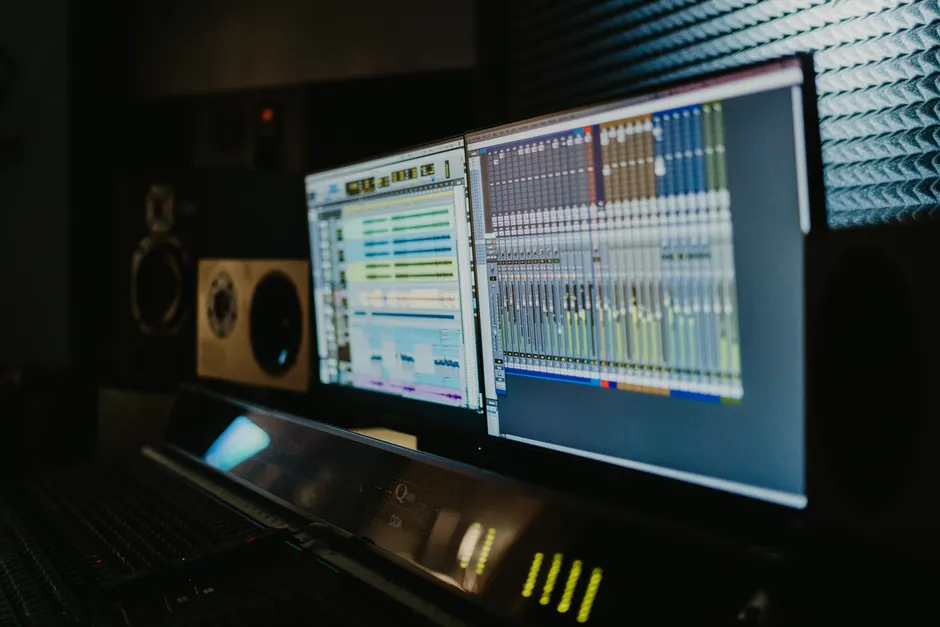
Nova instruments can run directly in a browser, with no dedicated hardware or DAW required. A DAW, or digital audio workstation, is the main software musicians use to record and arrange. For session work, Nova includes a host plugin that runs inside a DAW and lets users browse, load, and switch between Nova plugins from their library. Lunacy says instruments and effects built for Nova run in a browser and sync to a DAW with a single click. Lunacy
Lunacy, the company behind Nova, is based in Los Angeles, California. Its co-founder and CEO is Casey Kolb. Lunacy
Why it matters
The broader context here is the split between browser trial and DAW use. Producers can try an idea without installing anything, then pull the same instrument into a session through the host. That lowers the cost of trying new soundware to near zero, which changes discovery. It also puts pressure on preset management, version parity and recall, problems every host-based system faces once libraries grow past a handful of titles.
In my view, the longer arc is familiar and encouraging. Each drop in implementation cost brings in builders who understand music but never learned plugin development. Some of their work will be rough. Some will be narrowly useful in a way a general-purpose synth never would be. I watched my own kids adopt loop-based mobile tools without caring how audio engines worked, then graduate to more demanding software once they had a reason to learn. Nova is betting the same progression holds for instrument builders. If Builder delivers a stable block library and a workable path for sellers, the 10 launch plugins will matter less than the hundredth and the thousandth.