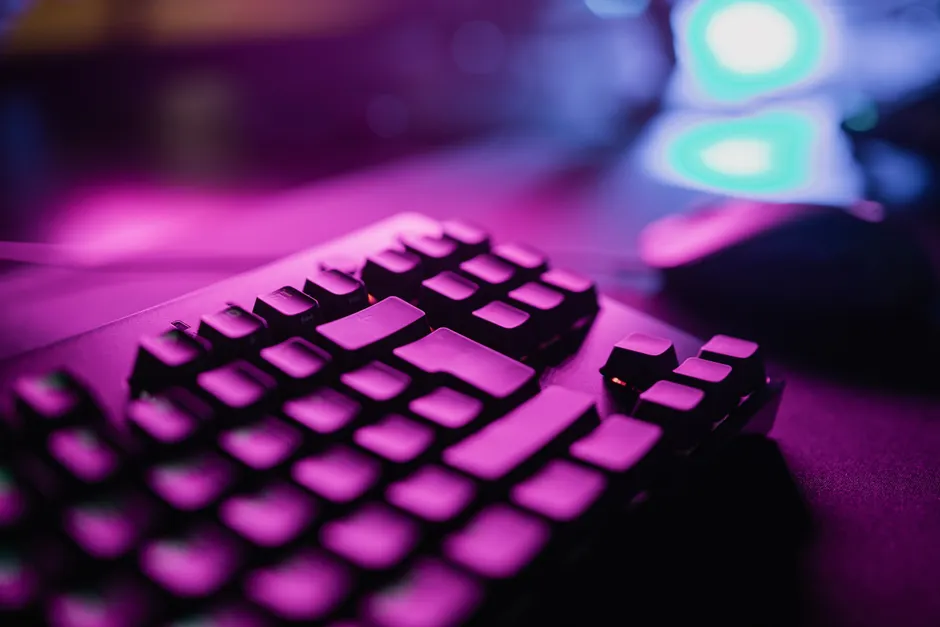
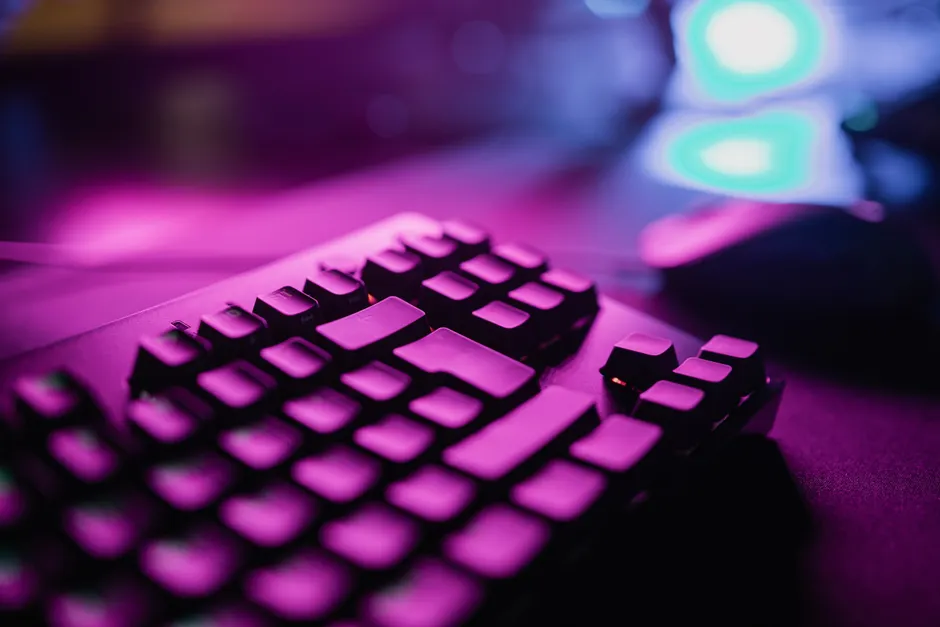
Razer Tartarus V2 Pro Brings Tunable Switches to a One-Handed Pad
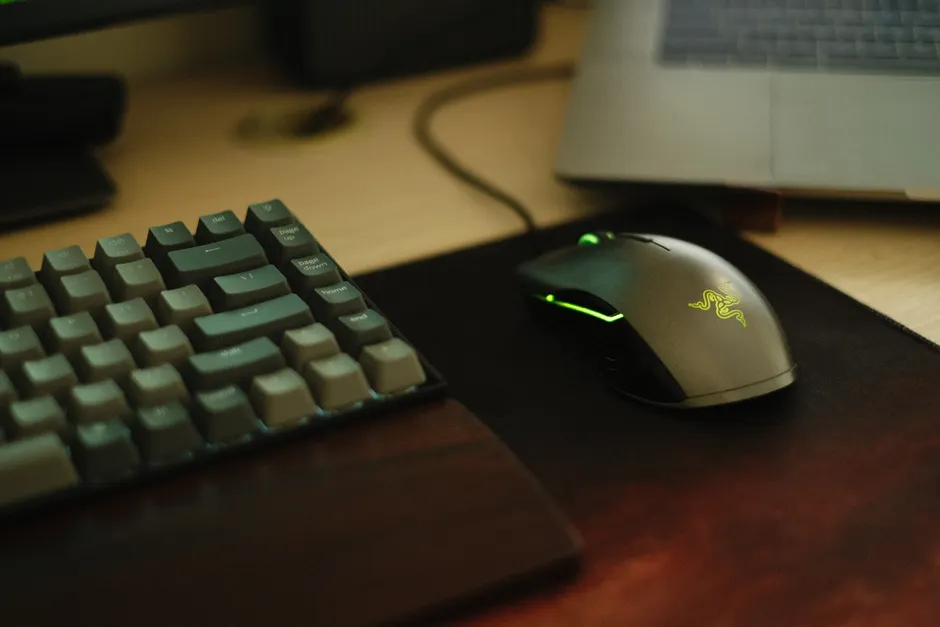
Razer has released the Tartarus V2 Pro, a refresh of its one-handed gaming keyboard. It is available now for $200, according to Engadget.
The device provides 31 keys and buttons, all fully programmable. It does not use a traditional QWERTY layout. Configuration is handled in Razer's Synapse software, with per-key RGB lighting on every key.
The core change is in the input hardware. Razer has moved to upgraded optical switches, which use light to detect a press, with a wider actuation range. Actuation is the point in key travel where a press registers. Users can tune that point per key rather than accept a fixed point. Alongside the main key field, the V2 Pro includes an analog TMR thumbpad for thumb-operated input that senses gradual movement, not just on or off.
Physical comfort gets a dedicated adjustment. The keypad ships with an adjustable wrist rest intended to keep the hand aligned over the key cluster during long sessions. Because the hand stays in place instead of moving across a full board, rest height and angle matter more than on a conventional keyboard.
Two input-mapping behaviors ship with the refresh. Snap Flex lets users attach two keys to a single press. Snap Tap ensures two selected keys are never actuated at the same time. Both are configured as part of the programmable key map, according to Engadget.
The broader context here is why a one-handed pad persists alongside full-size, TKL, and 60 percent boards. A fixed cluster trades general typing ability for reduced hand travel, dense macro access, and repeatable finger placement. That tradeoff can reduce errors under load for MMO ability rotations, simulator controls, and creative application shortcuts. For FPS movement, the appeal is keeping WASD-equivalent inputs and auxiliary actions under one hand with consistent spacing.
Looking at what this means for input design, the combination is analog sensing plus software-defined actuation logic. Adjustable actuation lets users separate light, fast triggers from deeper, deliberate presses on the same hardware. Analog thumb control adds a proportional channel that binary keys cannot provide. Snap Tap and Snap Flex then operate on top of that sensing layer to resolve conflicting or sequenced inputs deterministically, or in a fixed and repeatable way.
In my view, that layering is worth flagging. Peripheral makers have spent several years pushing polling rates, or how often a device reports to the PC, plus optical sensing and rapid trigger implementations, where a key resets as soon as travel direction reverses. The next differentiation is less about raw speed and more about how cleanly the device arbitrates ambiguous human input. Preventing simultaneous actuation of opposing strafe keys is one example. Binding a two-stage action to one press depth is another. Both reduce the need for users to compensate in software or in technique.
For technology professionals evaluating the V2 Pro, the practical questions are straightforward. How stable is the wider actuation window across keys after recalibration. How much latency analog processing and Synapse-side remapping add relative to direct HID output, the standard USB input path. How well profiles persist across machines and game launches. And whether the TMR thumbpad provides sufficient resolution and centering to replace a stick or hat switch users already trust.
What this enables, if those details hold, is a compact control surface that behaves less like a cut-down keyboard and more like a purpose-built console. Thirty-one programmable inputs with individual lighting, adjustable throw, proportional thumb input, and deterministic multi-key handling is a broad palette for a device that never requires the hand to leave position.