HPV Vaccination Is Preventing Cervical Cancer in England—But the Uptake Gap Still Matters
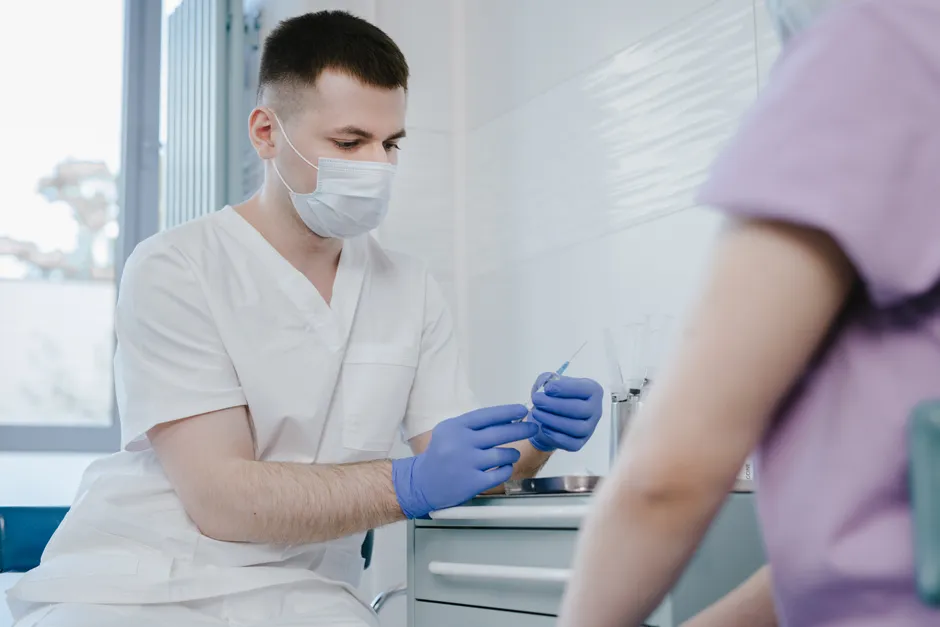
HPV vaccination in England has prevented an estimated 448 cervical cancers in women under 30, according to a national audit of the NHS Cervical Screening Programme covering 2016 to 2019. This represents the first measurable population-level evidence from a programme that has been operating for nearly two decades, and it arrives as new research suggests vaccination protects against enough HPV types to reshape how screening works.
The biology here is unusually straightforward. High-risk human papillomavirus types are found in more than 99% of cervical cancers. The 9-valent vaccine — the standard formulation now used in the UK — covers more than 90% of cervical cancers caused by these high-risk types. This means the vaccine tackles most of the risk. A Reuters-reported study from February 2026 showed that cervical screening intervals — the time between tests — can be safely extended in vaccinated women without reducing protection. This finding will shape how the NHS plans colposcopy services (the follow-up procedure for abnormal results) going forward.
A BMJ study published in February 2026 tracked 365,502 girls and women across a cohort where 39.5% received at least one dose of the earlier quadrivalent vaccine. The study observed 930 invasive cervical cancer cases in the full population. Since the quadrivalent vaccine predates the current 9-valent formulation, the protection it shows is a minimum figure, not the maximum — the newer vaccine should do even better.
The Uptake Gap
But vaccination uptake is not yet where it needs to be. The World Health Organization has set a clear threshold for eliminating cervical cancer: 90% vaccine uptake, 80% screening coverage, and treatment of early-stage disease. This goal is achievable, yet England has not reached it. Female HPV vaccine coverage currently stands at 76.7%; male coverage is 71.2%. Both fall short of the government's 90% target, set for 2036.
The programme targets children aged 12 to 13 in secondary school, delivered in Year 8 or 9. School-based delivery works well because it reaches young people before they become sexually active, when the vaccine is most effective, and it avoids creating gaps tied to family income or access. The remaining gap — roughly 13 to 19 percentage points — reflects the familiar obstacles: vaccine hesitancy, missed school days, and administrative dropout that appear in school immunisation programmes everywhere.
Screening continues to save lives in the meantime. Current NHS cervical screening prevents an estimated 70% of cervical cancer deaths, a figure that applies whether or not a woman was vaccinated. The 2026 NHS guidance on cervical screening recommends that vaccinated women still attend screening, since some HPV types are not covered by the vaccine.
What the Numbers Mean for Policy
The 448-cancer figure deserves attention because it comes from women who were vaccinated with the older bivalent or quadrivalent vaccines, not the current 9-valent formulation. If uptake reaches 90% and the entire eligible age group eventually receives the 9-valent vaccine, the number of cancers prevented could grow significantly. Whether that happens by 2036 depends less on the science — that part is clear — and more on whether the NHS can execute well: running catch-up campaigns, reminding GPs to offer the vaccine, and whether school teams have the staff and resources to recover the vaccination gaps that COVID-era disruptions left behind.
A parallel discussion is already underway about extending screening intervals for vaccinated women. If lower-risk vaccinated patients need fewer colposcopy referrals, the NHS could redirect that clinical capacity toward older, unvaccinated women who face higher cervical cancer risk. The logic is simple in theory; in practice, changing how the health system allocates resources involves complex coordination across multiple services. Before rolling out screening protocols that differ by vaccination status, NHS England will need to settle on clear rules about what evidence justifies the shift.
The direction is clear: vaccination works, screening works, and together they can do more. The real test is whether the system can close the uptake gap fast enough to hit the 2036 target.


