Stocks Rebounded After the Fed's First Hike in Three Years
The morning rebound
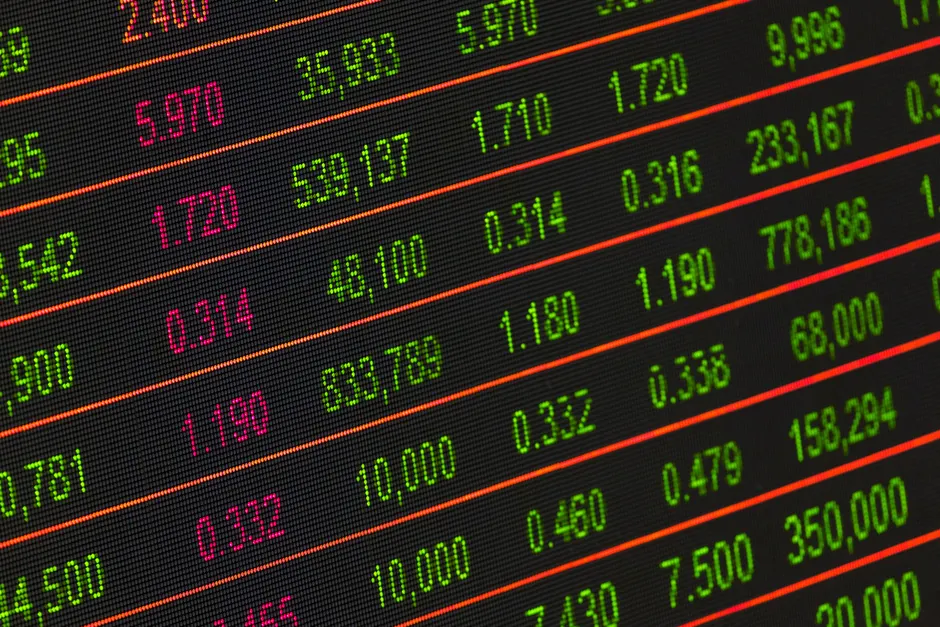
U.S. stocks rose on the morning of September 17, 2026, after the Federal Reserve's first interest rate increase in three years. Stocks edged up early on Thursday, according to Reuters, stabilizing after a drop on Fed day.
The S&P 500 Index, a broad gauge of large U.S. stocks, advanced 0.9% as of 9:49 a.m. in New York on September 17. The Nasdaq 100, which leans toward large technology stocks, climbed 1.4% at the same time, according to Bloomberg. Stocks rose alongside bonds and Treasuries, or U.S. government debt, after that Fed-day drop. Falling oil prices supported hopes that inflation, the general rise in prices, could be kept under control a day after Fed action, according to Bloomberg. Futures, contracts that point to where stocks may open, had pointed to a rebound from the prior session's slump.
The Federal Reserve raised its policy rate by 25 basis points to a target range of 3.75% to 4.0%, according to Reuters. A basis point is one-hundredth of a percentage point, so 25 points equals a quarter point. For ordinary savers that can mean slightly higher interest on savings. For borrowers it can mean higher loan costs. The move was largely expected. Markets saw an 88.5% chance of a quarter-point hike that week, according to Reuters.
Oil and inflation background
The decision came after weeks when oil and inflation data set the daily tone. U.S. stocks slid as deadlocked negotiations about the future of the Strait of Hormuz pushed oil prices up ahead of key inflation data, according to The Wall Street Journal. On August 13, 2026, the U.S. stock market rose toward an all-time high after a sign that inflation was getting less bad, according to ABC Columbia. On September 11, 2026, U.S. stocks rebounded on Friday and regained much of their losses for the week after oil prices eased, according to The Columbian.
Reading the market reaction
The broader context here is that the market treated energy like the swing ingredient in near-term inflation. Think of crude as fuel costs that ripple through shipping and production. Higher crude tightened financial conditions through higher inflation expectations, called breakevens, and higher inflation-adjusted yields. Lower crude loosened them. That link helps explain why stock falls tied to Hormuz headlines reversed quickly when oil softened. It also explains why each inflation report moved stocks less on the headline number than on what it implied for the Fed's next move.
In my view, the September 17 price action added a second layer. A 25-point hike that was 88.5% expected would normally pressure long-term bonds, known as duration, and pricey growth stocks. The opposite occurred, with stocks, bonds and Treasuries advancing together. One reading is that investors trusted the Fed's inflation-fighting credibility and worried less about a long-lasting oil-driven price shock, letting extra compensation for holding long bonds compress even as the policy rate rose. The Nasdaq 100 beating the S&P 500 fits that bond-led story, though the confirmed data cover only a morning snapshot and not the close or trading volume.
For risk management, what matters next is not the 3.75% to 4.0% range itself but the joint link between oil, inflation expectations and policy. If crude stays the main transmission channel, stocks will stay sensitive to inflation surprises and stocks and bonds will keep rising and falling together on soft inflation news. That leaves portfolios exposed to a reversal in energy even after a tough rate decision has been absorbed. The next test is whether the early strength on September 17 holds through the close and whether bonds keep their bid if oil turns higher again.