Oil Stays Above $100 as Saudi Pipeline Fears Ease
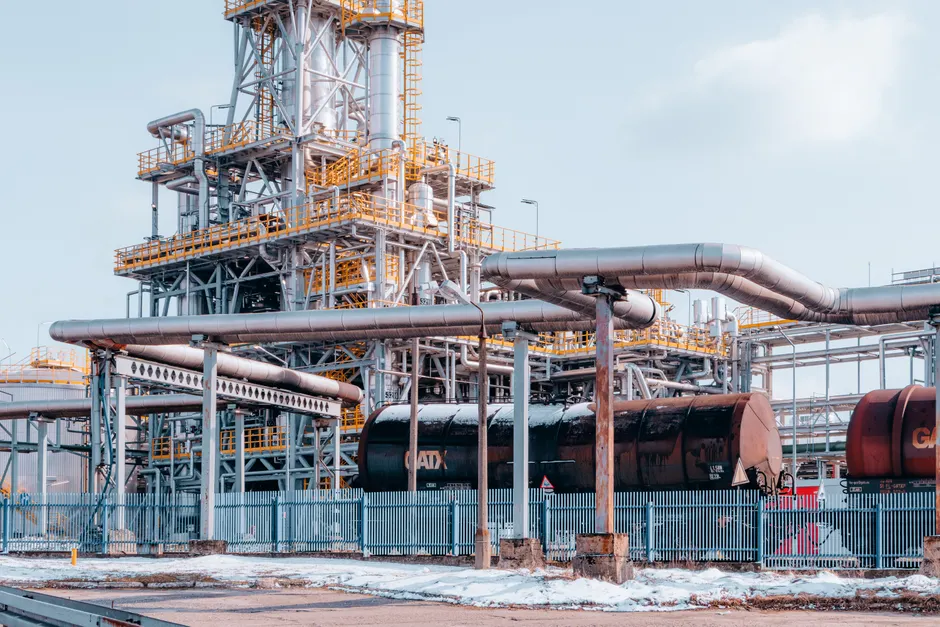
Oil futures settled about 1% lower on Thursday, September 17, 2026, holding above $100 a barrel and extending a pullback from earlier wartime highs. The four-session swing came almost entirely from changing views on Middle East export pipelines and shipping, not from demand or inventory data. Reuters
The drop followed a run to four-month highs after Saudi Arabia shut its East-West Pipeline and Houthi threats to Red Sea shipping grew. Futures prices had built in a long-lasting cut to Saudi crude moving west. By Thursday, that fear premium was shrinking on hopes the disruption could be contained. The Wall Street Journal
The climb was fast. Prices settled about 1% higher on Monday, September 14, as supply fears rose after new strikes. That added to the prior session's jump. Reuters
Then came a bigger jump. Prices settled $3 higher on Tuesday, September 15, after shipping industry sources reported on crude loadings at Yanbu, Saudi Arabia's Red Sea export hub. For physical traders, Yanbu loadings are the short-term signal for whether pipeline oil is still reaching tankers. Any pause there feeds straight into prompt futures, meaning contracts for delivery soon, and dated differentials, meaning price gaps for physical cargoes. Reuters
The pipeline is large. Saudi Arabia said drones fired from Iraq damaged the East-West pipeline, forcing a shutdown. The line can move up to 7 million barrels per day from eastern producing areas to Yanbu on the Red Sea. It works as a main alternate route to the Strait of Hormuz, the narrow waterway for Gulf oil, letting Saudi barrels bypass that chokepoint. The Wall Street Journal That bypass role is why the market treated one pipeline outage as a system-wide risk. Bloomberg
At peak concern, the outage threatened 4% of global oil supply, according to Reuters reporting. Saudi Arabia held stocks at ports to cover exports for 5 to 7 days, according to sources cited in the same report. That number set the market clock. A repair in days could be covered by stored oil at the port. A repair taking weeks would force delayed cargoes, rerouted tankers and draws on commercial storage elsewhere. Reuters
By September 16, Saudi Arabia was moving to restore the East-West pipeline. Prices swung that day on mixed signals. Some disruptions were easing, but signs of war-driven tightness stayed. Futures fell on the restoration headlines, then found buyers on leftover risk to Red Sea transit and Hormuz flows. Bloomberg
Aramco had reported in its second-quarter and half-year 2026 results continued use of the East-West Pipeline to keep flows steady across its network. That statement is now the baseline for judging damage. Traders will compare that earlier use and flow-assurance language with volumes when the line restarts, watching for lower capacity, split operations or temporary limits. Aramco
The broader context here is how bypass pipelines work. A 7-million-barrel-per-day Hormuz bypass does not end exposure to the Strait. It splits it. Eastern exports can still move through the Gulf, while western exports through Yanbu lower concentration. When the bypass itself is hit while threat levels around Hormuz and the Red Sea are rising, the market loses its backup at the worst moment. That double loss explains the fast spike, and the fast fade once repair work appeared.
In my view, the $100 level matters more than the daily 1% moves. A 1% pullback still leaves most of the geopolitical premium in place. The 5-to-7-day port stock cushion is why. Physical buyers can handle a short outage without rushing for replacement barrels. Past that window, refinery orders, loading schedules and ship bookings start to slip. The $3 rise on September 15 priced in that forward calendar. The softness on September 16 to 17 priced in confidence the window will hold.
What to watch next is execution on two points. First, the pace of repairs and safety checks on pumps and pipe sections hit by drones. Second, whether Yanbu loadings return to normal without ship backlogs or port limits on draft, meaning water depth for tankers, and berths, meaning loading spots. A restart announcement alone does not settle either point. The confirmation order is statement, then renewed flow, then normal loadings and export clearances. Until those reports land, tightness can linger even as headline futures ease.